.png)
August 5, 2025
Fujii Kaze’s “Love Like This” isn’t your average love song, it’s a shimmering, soulful glide through the kind of romance that doesn’t just sweep you off your feet, it levitates you. With effortless...
Read more.png)
August 5, 2025
Laufey’s “Lover Girl” isn’t just a song, it’s a soft, sweeping confession wrapped in strings, jazz chords, and the kind of vulnerability that makes you want to cry into your oat milk latte. With...
Read more.png)
August 5, 2025
When Saweetie hit the mic with her usual sparkle and sass, fans expected bops, but what they didn’t expect was boffum. Yes, boffum. The internet has been shaken, stirred, and straight-up meme-ified...
Read more.png)
August 5, 2025
After years of teasing, manifesting, and fans quite literally breaking down over one-song discographies, Jennie finally pulled the ultimate main character move, she dropped a full solo album. No...
Read more.png)
August 5, 2025
In a heartfelt social media post, Freese explained that his decision to leave Nine Inch Nails was one of the hardest of his career. At the time, he and his wife were expecting their third child...
Read more.png)
August 5, 2025
Meet Ty Myers, a teen from Texas who is transforming the concept of a country performer in 2025, music fans. Honky-tonk roots, modest ambition, and a popular TikTok moment from 2023 inspired his...
Read more.png)
August 5, 2025
Demi Lovato is back in the pop scene with her latest single, “Fast,” which brings her back to the club-ready, EDM-infused beats that fans loved in hits like “Cool for the Summer” and...
Read more
August 1, 2025
a deeper heartbeat emerged beneath the surface: the voice of Rumi— performed and co-written by the Korean-American singer-songwriter Ejae.
Read more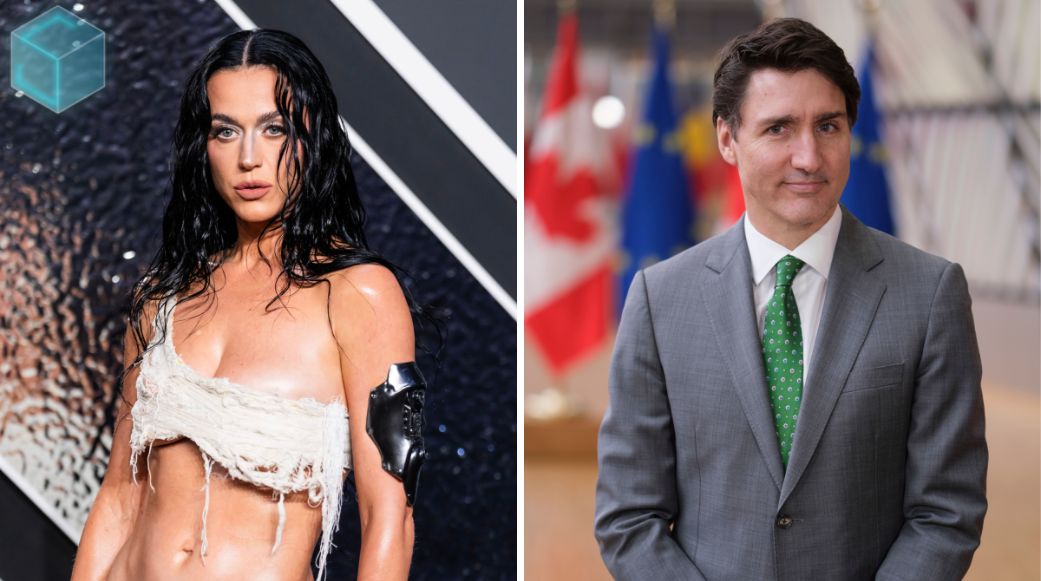
August 1, 2025
Former Canadian PM and pop star fuel speculation following her split from Orlando BloomFormer Canadian Prime Minister Justin Trudeau became the unexpected star of Katy Perry’s Montreal concert this...
Read more.png)
August 1, 2025
The dust has settled on Lollapalooza’s lineup announcement, and the message is clear: the 34-year-old festival isn’t resting on its laurels. With a single Instagram post, organizers simultaneously...
Read more.png)
July 31, 2025
When the White House repurposed a popular Jet2 Holidays meme video featuring Jess Glynne's hit "Hold My Hand" to highlight ICE deportations, the backlash was immediate and loud. “This post honestly...
Read more.png)
July 31, 2025
The silence that followed my mother’s words felt like the weight of the world pressing in on me. I was 17, but in that moment, I felt small, like that eight-year-old kid again, curled up in my...
Read more.png)
Music creators often walk a delicate line between drawing inspiration from their favorite songs and unintentionally infringing on the work of others. The recent lawsuit filed against Miley Cyrus over her hit song "Flowers" serves as a reminder of how blurry this line can be. The lawsuit claims that Cyrus’ track borrows too much from Bruno Mars’ "When I Was Your Man," sparking a legal debate over where inspiration ends and copyright infringement begins.
For music creators, this situation offers valuable insights into how creativity, influence, and the law intersect.
Many artists naturally incorporate elements from songs they love into their own music. Whether it’s a melodic similarity, a lyrical nod, or a harmonic influence, drawing from existing material is a well-established practice in the industry. But at what point does inspiration become infringement?
The lawsuit against Cyrus offers a key example of this dilemma. Fans have long speculated that "Flowers" was a response to Mars' "When I Was Your Man." Where Mars sings about the regret of not treating his partner better, Cyrus flips the narrative to one of self-empowerment and independence. On the surface, this appears to be a classic "reply" song—a time-honored tradition in music, especially in genres like hip-hop and rock. But the lawsuit argues that the similarities go beyond thematic response, extending into “melodic, harmonic, and lyrical elements.”
For music creators, understanding what qualifies as fair use or inspiration versus copyright infringement is critical. While it's perfectly acceptable to be influenced by another artist's work, using exact musical phrases, melodies, or chord progressions without permission can lead to legal consequences. This case emphasizes how even perceived thematic similarities can lead to a lawsuit if the overlap is deemed substantial enough.
So how can music creators safely navigate these waters? Here are a few tips:
1. Understand What’s Protected
Music copyright laws protect more than just lyrics. They can extend to melodies, chord progressions, and even specific arrangements. However, not every aspect of a song is subject to copyright protection. General ideas or themes, like writing about heartbreak or self-empowerment, are not protected by copyright. But if you directly copy a melody or key musical elements, you may run into legal trouble.
2. Transform, Don’t Copy
When you find inspiration in a song, aim to transform the elements rather than replicate them. This could mean changing the tempo, key, or instrumentation, or interpreting the song’s emotional essence in a completely different way. In the case of Cyrus and Mars, even though "Flowers" was perceived as a response to "When I Was Your Man," the issue arose because Tempo Music alleges that more than just the lyrics were borrowed—melodic and harmonic structures, along with bass line similarities, are also part of the claim.
3. Study Music Theory
Knowing the technical side of music can help you recognize when your work might be too close to another song. If you can break down the structure of your music and compare it to the original, you'll have a better sense of whether you’re simply being inspired or unintentionally infringing. Learning about different chord progressions, scales, and melodic structures can help you find your own unique voice as a creator.
4. Use Music Creation Tools Carefully
In today’s world of loops, samples, and interpolation, it’s easier than ever to build off someone else’s work. While sampling and interpolation are legal when properly licensed, using these elements without clearance can lead to lawsuits. When you’re incorporating samples or creating interpolations, make sure you’re following the proper legal channels to license these materials.
Throughout music history, we’ve seen high-profile examples of both legitimate inspiration and cases that veered into infringement. Take these two examples to understand how the courts have viewed this fine line:
1. Robin Thicke’s "Blurred Lines"
One of the most famous recent copyright infringement cases, the "Blurred Lines" lawsuit, resulted in a nearly $5 million payout to the estate of Marvin Gaye. The court found that Thicke’s song borrowed too heavily from Gaye’s "Got to Give It Up," even though the songs didn’t share exact lyrics or melodies. The "feel" and groove of the two tracks were deemed too similar, serving as a warning to music creators that even stylistic influences can sometimes lead to legal consequences.
2. Led Zeppelin’s "Stairway to Heaven"
In a case that had a very different outcome, Led Zeppelin was sued by the band Spirit, who claimed that "Stairway to Heaven" copied elements of their song "Taurus." After years of litigation, the courts ultimately ruled in Zeppelin’s favor, finding that the musical similarities between the two songs were too general to constitute infringement. This case highlights that not all similar-sounding elements will result in copyright violation rulings—especially when those similarities stem from common musical tropes or progressions.
The case against Miley Cyrus is still ongoing, and the legal battle may hinge on whether the similarities between "Flowers" and "When I Was Your Man" are too "commonplace" to be protected. If you’re a music creator, there are a few key takeaways from this situation:
At the end of the day, music is a collaborative and evolving art form where influence and inspiration are natural. However, knowing where to draw the line will protect both your artistic integrity and your career from the costly consequences of a lawsuit.
Click the links to hear the similarities and or differences of both songs:
.png)


