.png)
March 25, 2026
At this year’s Grammys, Justin Bieber stepped onto the stage in a way no one expected. There were no elaborate visuals, no heavy styling, no spectacle. Just boxers, socks, a mirror placed in front...
Read more.png)
March 25, 2026
Not long ago, the idea of a computer creating an entire song felt like science fiction. Now it’s becoming surprisingly common. With tools like Suno and Udio, AI-generated music is being uploaded to...
Read more.png)
March 25, 2026
Open Spotify’s Top 50 and you’ll notice something subtle but consistent: songs are getting shorter. Two minutes and thirty seconds is no longer unusual. Some tracks barely cross the two-minute mark...
Read more.png)
March 2, 2026
Sabrina Carpenter’s Short n’ Sweet era shows how banjo and other country sounds can live comfortably inside glossy pop production. Her tracks mix bright acoustic textures with punchy drums, synths...
Read more.png)
March 2, 2026
Over the last few years, phonk has exploded from underground SoundCloud mixes into mainstream playlists and TikTok trends. You’ve probably heard its gritty, nostalgic energy like the dark bass...
Read more.png)
March 2, 2026
Not long ago, songs were built slowly. An instrumental intro would set the mood, a verse would ease listeners in, and the chorus arrived later as the reward. Today, that structure is quietly...
Read more.png)
March 2, 2026
Bad Bunny’s 2026 Super Bowl show didn’t just break viewing records—it confirmed that the “global sound” (Latin music, Afrobeats, Amapiano, Afro-fusion) is now the center of pop culture, not a side...
Read more.png)
March 2, 2026
If you’ve been mixing music for a while, you’ve probably heard about Spotify’s big update: lossless streaming is finally here. That means Premium users can now listen to songs in full-quality FLAC...
Read more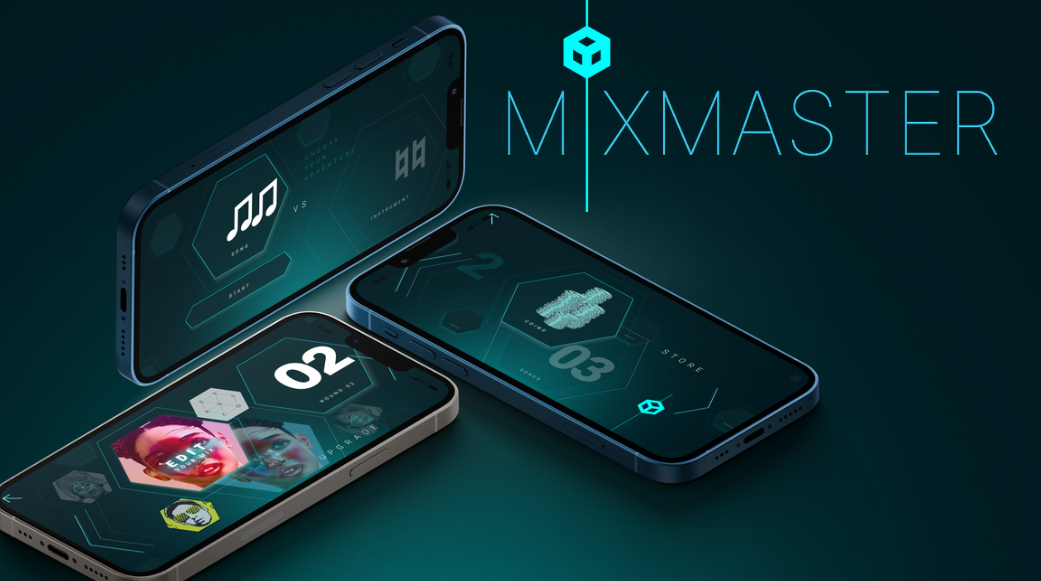
October 23, 2025
Discover how Mix Master strengthens your brain just like an instrument - training focus, creativity, and emotional intelligence through the science of sound.
Read more.png)
September 8, 2025
Tools like Suno are now powerful enough to generate melodies, lyrics, and even full songs in seconds. That’s exciting—and controversial. Just ask Timbaland. Recently, he came under fire..
Read more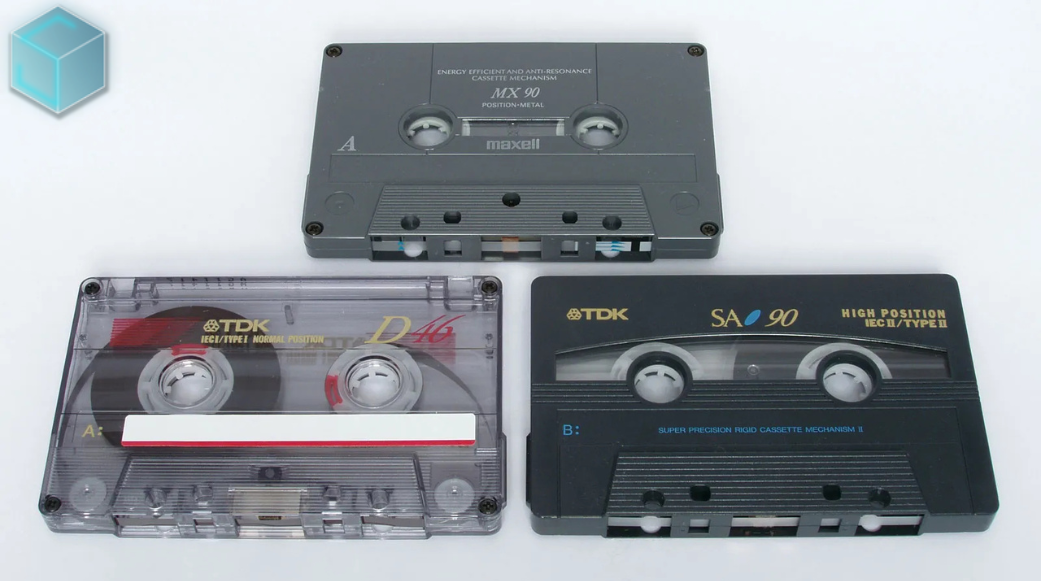
August 23, 2025
The 1980s and 1990s analog music medium known as cassette cassettes is experiencing an unanticipated comeback, with Gen Z spearheading the trend. Taylor Swift, who included cassettes in the release...
Read more
August 23, 2025
This week's most notable headline: Doja Cat's erotically charged, '80s-inspired music video, "Jealous Type," is dominating social media feeds and cultural discourse, marking her most daring...
Read more.png)
In modern music production, one of the most common challenges is the clash of frequencies between instruments. For example, bass guitars and drum kits often compete for space in the lower end of the frequency spectrum, leading to a muddy mix. Traditional sidechain compression is a popular solution, but it typically reduces the entire sound of one instrument rather than targeting the specific frequency causing the issue. This is where multiband compression sidechaining comes into play.
Instruments like bass guitars and kick drums occupy similar frequency ranges, particularly in the low end (usually between 40Hz and 150Hz). When these elements overlap, it can result in a lack of clarity. Traditional sidechain compression helps by lowering the volume of one sound when the other is present, but it affects the entire frequency range of the instrument. Multiband compression allows for more precision by only affecting the clashing frequencies.
Multiband compression sidechaining gives you the flexibility to address frequency-specific issues while leaving the rest of the instrument untouched. Here's a step-by-step guide on how to apply it in your mix:
An excellent example of an artist using multiband compression sidechaining effectively is Skrillex. In his genre of electronic dance music, where bass and drums are central to the mix, frequency clashes can easily occur. Skrillex often layers multiple bass sounds, and through the use of multiband compression sidechaining, he ensures that these layers complement rather than compete with his drums. By carefully isolating and controlling specific frequency bands, he maintains both the punch of his drums and the power of his bass without compromising either.
The benefit of using multiband compression sidechaining is its precision. Rather than reducing the entire volume of an instrument, it only affects the problematic frequency bands. This approach ensures that other important characteristics of the instrument remain intact, resulting in a cleaner, more defined mix.
Multiband compression sidechaining is an essential tool for producers looking to achieve a more balanced mix. By focusing on specific frequency bands rather than the entire instrument, you can prevent clashes and maintain clarity. Famous producers like Skrillex rely on this technique to keep their mixes clean and impactful. Incorporating this method into your own production workflow can elevate the quality of your mixes, ensuring that each element stands out clearly while still fitting together cohesively.
.png)


