.png)
March 25, 2026
At this year’s Grammys, Justin Bieber stepped onto the stage in a way no one expected. There were no elaborate visuals, no heavy styling, no spectacle. Just boxers, socks, a mirror placed in front...
Read more.png)
March 25, 2026
Not long ago, the idea of a computer creating an entire song felt like science fiction. Now it’s becoming surprisingly common. With tools like Suno and Udio, AI-generated music is being uploaded to...
Read more.png)
March 25, 2026
Open Spotify’s Top 50 and you’ll notice something subtle but consistent: songs are getting shorter. Two minutes and thirty seconds is no longer unusual. Some tracks barely cross the two-minute mark...
Read more.png)
March 2, 2026
Sabrina Carpenter’s Short n’ Sweet era shows how banjo and other country sounds can live comfortably inside glossy pop production. Her tracks mix bright acoustic textures with punchy drums, synths...
Read more.png)
March 2, 2026
Over the last few years, phonk has exploded from underground SoundCloud mixes into mainstream playlists and TikTok trends. You’ve probably heard its gritty, nostalgic energy like the dark bass...
Read more.png)
March 2, 2026
Not long ago, songs were built slowly. An instrumental intro would set the mood, a verse would ease listeners in, and the chorus arrived later as the reward. Today, that structure is quietly...
Read more.png)
March 2, 2026
Bad Bunny’s 2026 Super Bowl show didn’t just break viewing records—it confirmed that the “global sound” (Latin music, Afrobeats, Amapiano, Afro-fusion) is now the center of pop culture, not a side...
Read more.png)
March 2, 2026
If you’ve been mixing music for a while, you’ve probably heard about Spotify’s big update: lossless streaming is finally here. That means Premium users can now listen to songs in full-quality FLAC...
Read more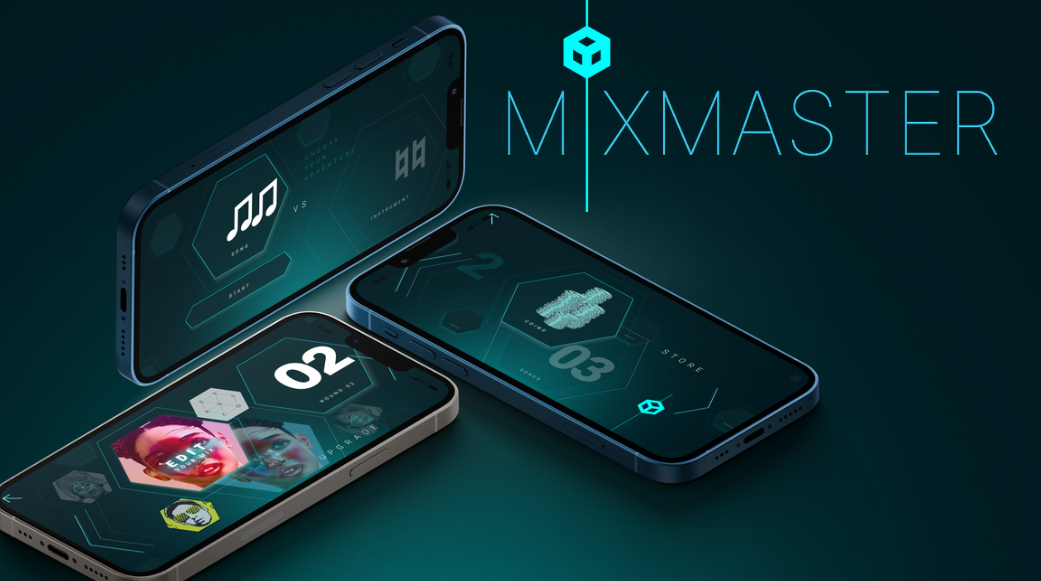
October 23, 2025
Discover how Mix Master strengthens your brain just like an instrument - training focus, creativity, and emotional intelligence through the science of sound.
Read more.png)
September 8, 2025
Tools like Suno are now powerful enough to generate melodies, lyrics, and even full songs in seconds. That’s exciting—and controversial. Just ask Timbaland. Recently, he came under fire..
Read more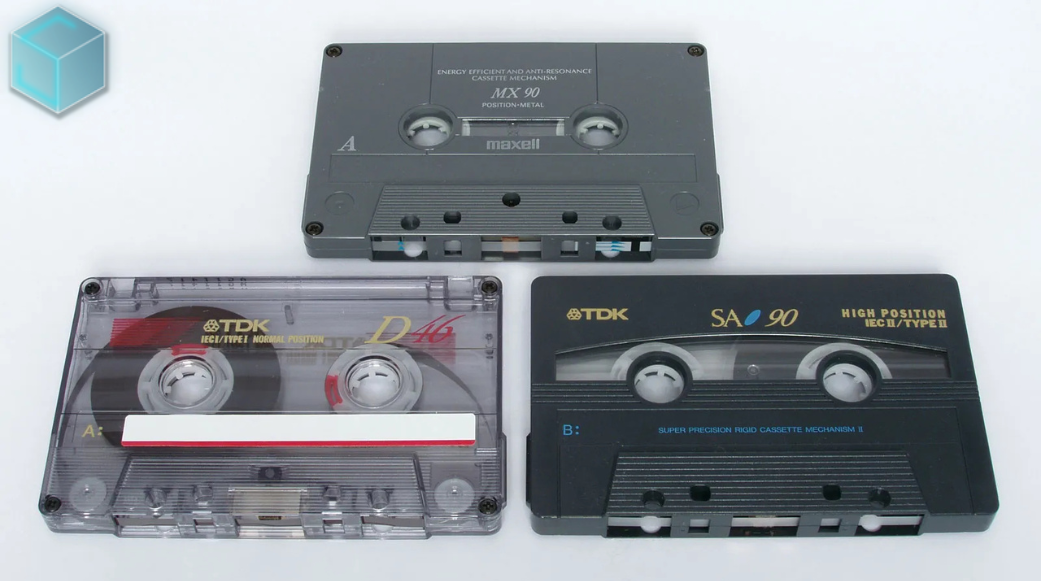
August 23, 2025
The 1980s and 1990s analog music medium known as cassette cassettes is experiencing an unanticipated comeback, with Gen Z spearheading the trend. Taylor Swift, who included cassettes in the release...
Read more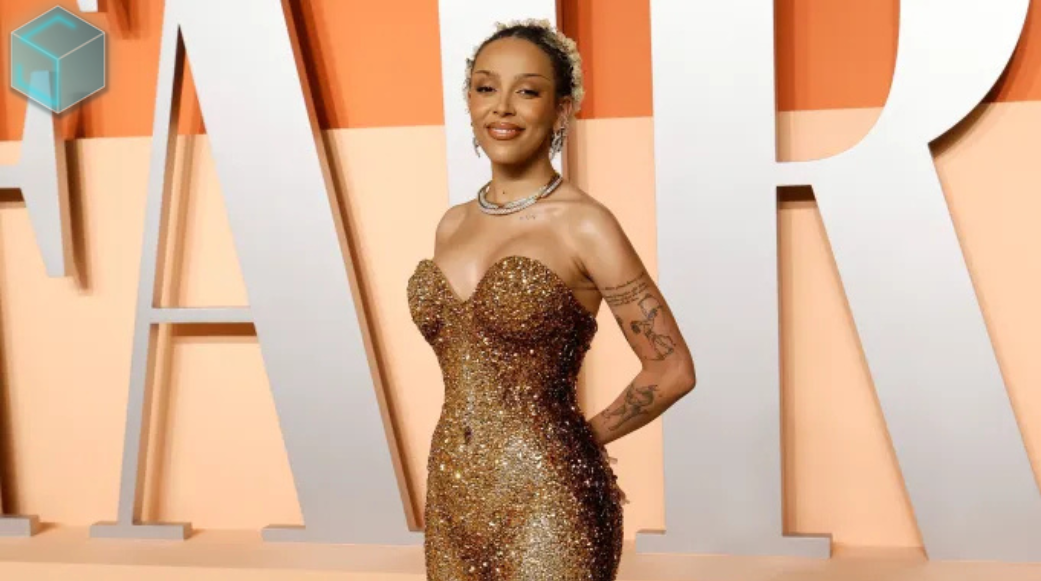
August 23, 2025
This week's most notable headline: Doja Cat's erotically charged, '80s-inspired music video, "Jealous Type," is dominating social media feeds and cultural discourse, marking her most daring...
Read more
In the hip-hop world, nothing lights up the scene like a fierce diss track battle between the industry's top artists. Lately, all eyes have been on Kendrick Lamar and Drake as they trade lyrical punches. This conflict isn't just a series of diss tracks; it's a battle that resonates deeply within the music creator community, reminding us of the power of lyrics, beats, and the raw energy of competition. As artists, every line and beat in these songs holds lessons in storytelling, production, and strategic branding.
The saga began with Kendrick Lamar's masked jabs at Drake in the track “Like That” featuring Future. It was a spark that awaited Drake’s fiery response. Drake’s retaliation came through two explosive tracks, “Push Ups” and “Taylor Made Freestyle,” setting the stage for an epic lyrical war. Kendrick did not hold back, responding with “Euphoria,” a track that quickly sent fans into a frenzy due to its direct hits and sharp lyrical prowess.
The battle reached its peak with Lamar's “6:16 in LA,” followed by an even more personal attack with “Meet the Grahams,” directly targeting Drake's family. The retaliation from Drake came swiftly with “Family Matters,” but it was Kendrick's “Not Like Us” that seemed to have the clubs and social media buzzing with its fierce delivery and hard-hitting lines.
For music creators, this feud is a goldmine of inspiration. The rapid production of high-quality tracks over such a short period illustrates the importance of readiness and responsiveness in the music industry. The use of personal and public narratives within these songs shows how artists can weave their personal experiences into their music, enhancing relatability and depth.
Moreover, the engagement on social platforms and the use of memes, reaction videos, and live streams to amplify the feud highlight the importance of understanding the digital landscape. It's not just about making music; it’s about making moments that capture the zeitgeist, leveraging social media to enhance reach and impact.
Despite the excitement, the feud brings with it a cautionary tale about the potential for real-world consequences stemming from lyrical warfare. The shooting incident at Drake’s residence is a stark reminder of the line between artistic expression and personal safety.
As we follow this unprecedented battle, it serves as a reminder of the competitive spirit of hip-hop and its roots in verbal sparring. However, it also calls for a reflection on the impact our words can have beyond the studio. Whether you're a budding rapper, a seasoned producer, or someone interested in the dynamics of musical feuds, there’s much to unpack and learn from this high-stakes lyrical showdown.
For every music creator watching this unfold, the Drake-Kendrick feud is not just entertainment; it's a masterclass in marketing, lyricism, and the art of battle through music. It's a vivid reminder of why hip-hop remains at the cutting edge of cultural conversations and how, at its best, it challenges both its artists and its audience to think harder, listen deeper, and engage more fully.
.png)


