.png)
March 25, 2026
At this year’s Grammys, Justin Bieber stepped onto the stage in a way no one expected. There were no elaborate visuals, no heavy styling, no spectacle. Just boxers, socks, a mirror placed in front...
Read more.png)
March 25, 2026
Not long ago, the idea of a computer creating an entire song felt like science fiction. Now it’s becoming surprisingly common. With tools like Suno and Udio, AI-generated music is being uploaded to...
Read more.png)
March 25, 2026
Open Spotify’s Top 50 and you’ll notice something subtle but consistent: songs are getting shorter. Two minutes and thirty seconds is no longer unusual. Some tracks barely cross the two-minute mark...
Read more.png)
March 2, 2026
Sabrina Carpenter’s Short n’ Sweet era shows how banjo and other country sounds can live comfortably inside glossy pop production. Her tracks mix bright acoustic textures with punchy drums, synths...
Read more.png)
March 2, 2026
Over the last few years, phonk has exploded from underground SoundCloud mixes into mainstream playlists and TikTok trends. You’ve probably heard its gritty, nostalgic energy like the dark bass...
Read more.png)
March 2, 2026
Not long ago, songs were built slowly. An instrumental intro would set the mood, a verse would ease listeners in, and the chorus arrived later as the reward. Today, that structure is quietly...
Read more.png)
March 2, 2026
Bad Bunny’s 2026 Super Bowl show didn’t just break viewing records—it confirmed that the “global sound” (Latin music, Afrobeats, Amapiano, Afro-fusion) is now the center of pop culture, not a side...
Read more.png)
March 2, 2026
If you’ve been mixing music for a while, you’ve probably heard about Spotify’s big update: lossless streaming is finally here. That means Premium users can now listen to songs in full-quality FLAC...
Read more
October 23, 2025
Discover how Mix Master strengthens your brain just like an instrument - training focus, creativity, and emotional intelligence through the science of sound.
Read more.png)
September 8, 2025
Tools like Suno are now powerful enough to generate melodies, lyrics, and even full songs in seconds. That’s exciting—and controversial. Just ask Timbaland. Recently, he came under fire..
Read more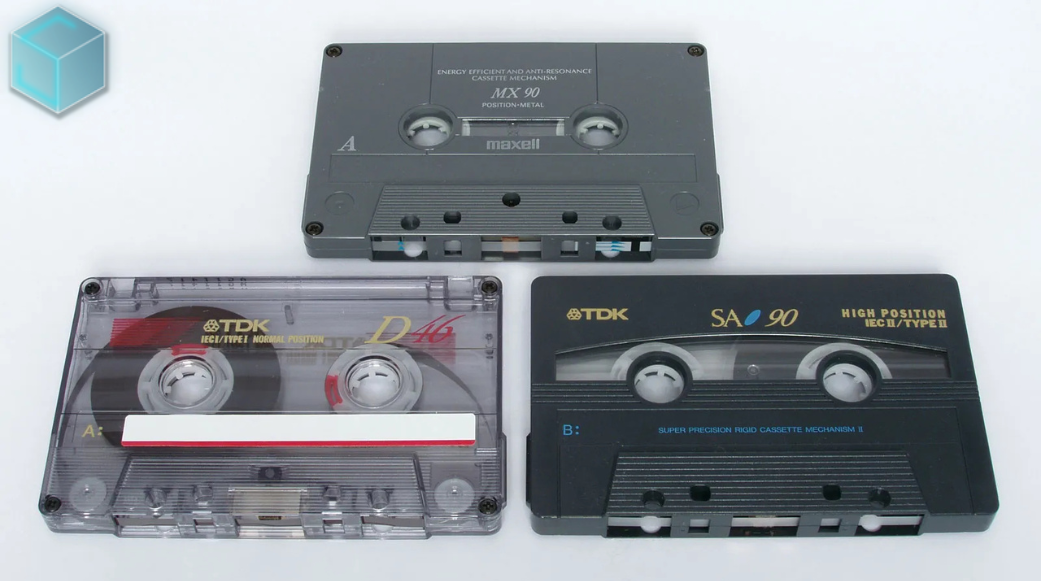
August 23, 2025
The 1980s and 1990s analog music medium known as cassette cassettes is experiencing an unanticipated comeback, with Gen Z spearheading the trend. Taylor Swift, who included cassettes in the release...
Read more
August 23, 2025
This week's most notable headline: Doja Cat's erotically charged, '80s-inspired music video, "Jealous Type," is dominating social media feeds and cultural discourse, marking her most daring...
Read more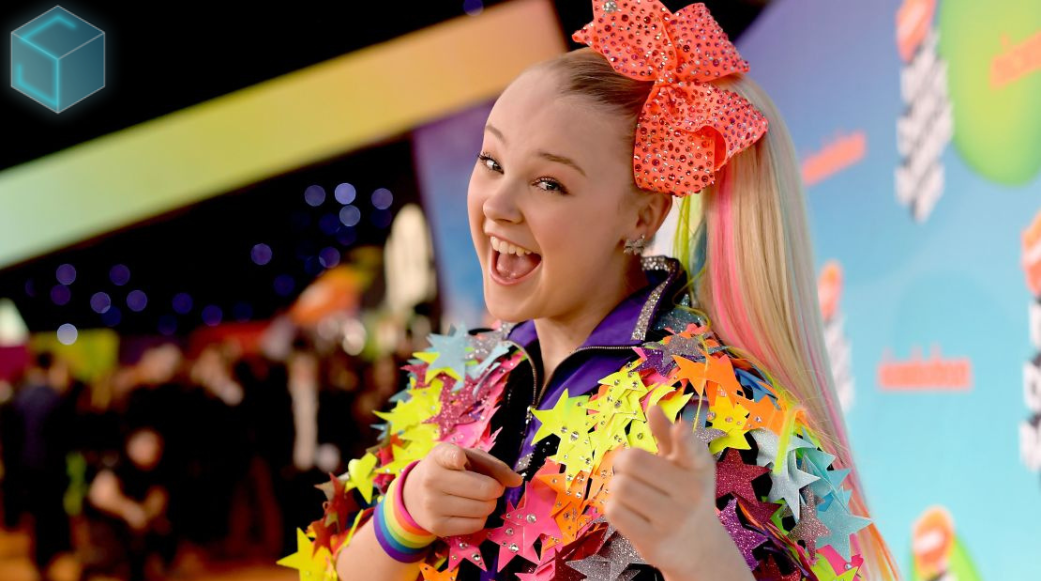
One of the most talked-about musical moments of the summer is JoJo Siwa's recent rendition of the 1981 classic "Bette Davis Eyes." On July 11, she shared her retro-style rendition, sparking intense online reactions. The song's original singer, Kim Carnes, even responded nuancedly.
JoJo Siwa's studio version of "Bette Davis Eyes," which has a throwback Hollywood vibe, was released on July 11. Wearing a cropped blonde wig and a gingham gown, she captioned the photo, "'Bette Davis Eyes' cover out now, stream everywhere you listen to music." Inspired by her electrifying live performance in London, she presented it as a celebration of confidence and mystery.
But the response was swift, and mostly harsh. Her autotune use, raspy voice, and general quality were criticized by many listeners. While one commenter criticized her for deviating from her signature ponytail, another said it sounded like an "anti-smoking campaign."
Then Kim Carnes replied. She hinted at displeasure in a now-deleted TikTok tweet, stating, “There is a difference between singing a song... and embodying it... authenticity is what makes music timeless.”
Later, in the American news outlet,TMZ, she stated:
“The phrasing, the tone, even the little inflections; it all felt a bit too close.” She also stressed that personal attacks are unacceptable, even while asserting her right to speak about how closely Siwa’s version resembled.
The moment ignited a heated debate. On Reddit, one user said:
“Kim didn’t write the song; but she made it famous. She has a claim.” Another wondered aloud why fans obsess over JoJo so much.
Meanwhile, commentary writers labeled the release “bold” yet cringe-worthy, noting the shift in Siwa’s image and sound.
This isn't just a cover; it's a component of a larger rebranding, in between her new song "Raspy," (a self-aware clapback to her critics)s, and her evolving appearance.
Musical covers must strike a balance between authenticity and tribute. If they sound too close, they risk being perceived as blatant imitation, but if they sound too different, they risk offending listeners of the original song.
Reinvention vs Legacy Legacy performers, such as Kim Carnes, who is well known for her 1981 hit song "Bette Davis Eyes," have a particular sound that defines their personal brand. A cover that is too similar to that style may elicit strong, emotional responses.
Internet Culture Clash: A real-time generational and stylistic clash is taking place on social media as JoJo Siwa's online, meme-literate fanbase and Carnes' classic pop legacy collide.
JoJo Siwa's cover of "Bette Davis Eyes" was more than simply another release. It was a cultural moment, nostalgic galore, and generational musical differences. Kim Carnes' measured response and fan backlash demonstrate how deeply personal a musical legacy can be and how quickly it may become viral.
.png)


