.png)
March 25, 2026
At this year’s Grammys, Justin Bieber stepped onto the stage in a way no one expected. There were no elaborate visuals, no heavy styling, no spectacle. Just boxers, socks, a mirror placed in front...
Read more.png)
March 25, 2026
Not long ago, the idea of a computer creating an entire song felt like science fiction. Now it’s becoming surprisingly common. With tools like Suno and Udio, AI-generated music is being uploaded to...
Read more.png)
March 25, 2026
Open Spotify’s Top 50 and you’ll notice something subtle but consistent: songs are getting shorter. Two minutes and thirty seconds is no longer unusual. Some tracks barely cross the two-minute mark...
Read more.png)
March 2, 2026
Sabrina Carpenter’s Short n’ Sweet era shows how banjo and other country sounds can live comfortably inside glossy pop production. Her tracks mix bright acoustic textures with punchy drums, synths...
Read more.png)
March 2, 2026
Over the last few years, phonk has exploded from underground SoundCloud mixes into mainstream playlists and TikTok trends. You’ve probably heard its gritty, nostalgic energy like the dark bass...
Read more.png)
March 2, 2026
Not long ago, songs were built slowly. An instrumental intro would set the mood, a verse would ease listeners in, and the chorus arrived later as the reward. Today, that structure is quietly...
Read more.png)
March 2, 2026
Bad Bunny’s 2026 Super Bowl show didn’t just break viewing records—it confirmed that the “global sound” (Latin music, Afrobeats, Amapiano, Afro-fusion) is now the center of pop culture, not a side...
Read more.png)
March 2, 2026
If you’ve been mixing music for a while, you’ve probably heard about Spotify’s big update: lossless streaming is finally here. That means Premium users can now listen to songs in full-quality FLAC...
Read more
October 23, 2025
Discover how Mix Master strengthens your brain just like an instrument - training focus, creativity, and emotional intelligence through the science of sound.
Read more.png)
September 8, 2025
Tools like Suno are now powerful enough to generate melodies, lyrics, and even full songs in seconds. That’s exciting—and controversial. Just ask Timbaland. Recently, he came under fire..
Read more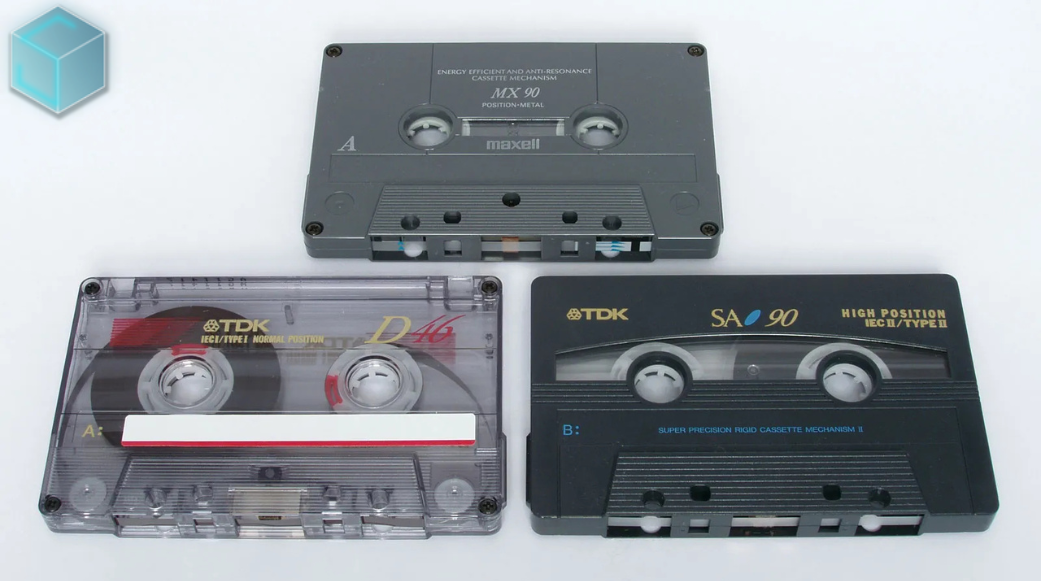
August 23, 2025
The 1980s and 1990s analog music medium known as cassette cassettes is experiencing an unanticipated comeback, with Gen Z spearheading the trend. Taylor Swift, who included cassettes in the release...
Read more
August 23, 2025
This week's most notable headline: Doja Cat's erotically charged, '80s-inspired music video, "Jealous Type," is dominating social media feeds and cultural discourse, marking her most daring...
Read more.png)
Vocal manipulation, such as pitching up/down or changing tempo, is a common practice in music production, especially in remixes. However, these changes can often lead to unwanted artifacts, distortion, or a loss of quality. While there are plenty of tutorials on how to alter pitch or tempo, few address how to make these altered samples sound great afterward. This article will provide you with actionable tips to enhance vocal samples and highlight how famous music creators have dealt with these challenges.
When you pitch or slow down/speed up vocals, the audio can sound unnatural or distorted due to changes in the sound's original characteristics. Common issues include:
Before diving into post-processing, ensure you're using a high-quality algorithm or software for pitch and tempo changes. Tools like Melodyne, iZotope RX, or Ableton Live's Complex Pro mode are designed to minimize artifacts.
After changing the pitch or tempo, use equalization to restore balance:
Compression can help smooth out any inconsistencies in volume that may arise due to pitch or tempo changes. A multiband compressor can be especially effective, allowing you to target specific frequency ranges that need control.
Pitching down or time-stretching can sometimes make vocals sound unnatural or flat. Adding a subtle reverb or delay can help recreate the original space and give the vocals more life:
Even if the original vocal was in tune, pitch-shifting can introduce slight pitch inaccuracies. Subtle use of pitch correction software, like Auto-Tune or Waves Tune, can help bring the vocal back in tune without sounding artificial.
Saturation plugins can help add harmonic content and warmth back into a vocal that has been pitched down. This can make the sample sound fuller and richer. Harmonic exciters can enhance specific frequencies, adding clarity and brightness to a vocal that sounds dull or flat.
Layering the altered vocal with a duplicate track can mask imperfections. For example, a pitched-down vocal can be layered with the original, pitched-up, or formant-shifted vocal to retain clarity while maintaining the desired effect.
Australian electronic producer Flume often manipulates vocals heavily, using techniques such as extreme pitch-shifting and time-stretching. However, he compensates for potential quality loss by layering multiple vocal tracks, using reverb and delay to create depth, and applying creative effects like bit-crushing and granular synthesis to make artifacts part of his sound design rather than hiding them.
When pitching vocals up or down, formant shifting allows you to change the pitch without affecting the character of the voice. This can help maintain a natural-sounding vocal even when the pitch is altered significantly.
Vocal manipulation is an art in itself, requiring both technical knowledge and creative intuition. By applying these post-processing tips and learning from innovative producers like Flume, you can achieve a professional, polished sound even after substantial pitch or tempo changes.
.png)


