.png)
March 25, 2026
At this year’s Grammys, Justin Bieber stepped onto the stage in a way no one expected. There were no elaborate visuals, no heavy styling, no spectacle. Just boxers, socks, a mirror placed in front...
Read more.png)
March 25, 2026
Not long ago, the idea of a computer creating an entire song felt like science fiction. Now it’s becoming surprisingly common. With tools like Suno and Udio, AI-generated music is being uploaded to...
Read more.png)
March 25, 2026
Open Spotify’s Top 50 and you’ll notice something subtle but consistent: songs are getting shorter. Two minutes and thirty seconds is no longer unusual. Some tracks barely cross the two-minute mark...
Read more.png)
March 2, 2026
Sabrina Carpenter’s Short n’ Sweet era shows how banjo and other country sounds can live comfortably inside glossy pop production. Her tracks mix bright acoustic textures with punchy drums, synths...
Read more.png)
March 2, 2026
Over the last few years, phonk has exploded from underground SoundCloud mixes into mainstream playlists and TikTok trends. You’ve probably heard its gritty, nostalgic energy like the dark bass...
Read more.png)
March 2, 2026
Not long ago, songs were built slowly. An instrumental intro would set the mood, a verse would ease listeners in, and the chorus arrived later as the reward. Today, that structure is quietly...
Read more.png)
March 2, 2026
Bad Bunny’s 2026 Super Bowl show didn’t just break viewing records—it confirmed that the “global sound” (Latin music, Afrobeats, Amapiano, Afro-fusion) is now the center of pop culture, not a side...
Read more.png)
March 2, 2026
If you’ve been mixing music for a while, you’ve probably heard about Spotify’s big update: lossless streaming is finally here. That means Premium users can now listen to songs in full-quality FLAC...
Read more
October 23, 2025
Discover how Mix Master strengthens your brain just like an instrument - training focus, creativity, and emotional intelligence through the science of sound.
Read more.png)
September 8, 2025
Tools like Suno are now powerful enough to generate melodies, lyrics, and even full songs in seconds. That’s exciting—and controversial. Just ask Timbaland. Recently, he came under fire..
Read more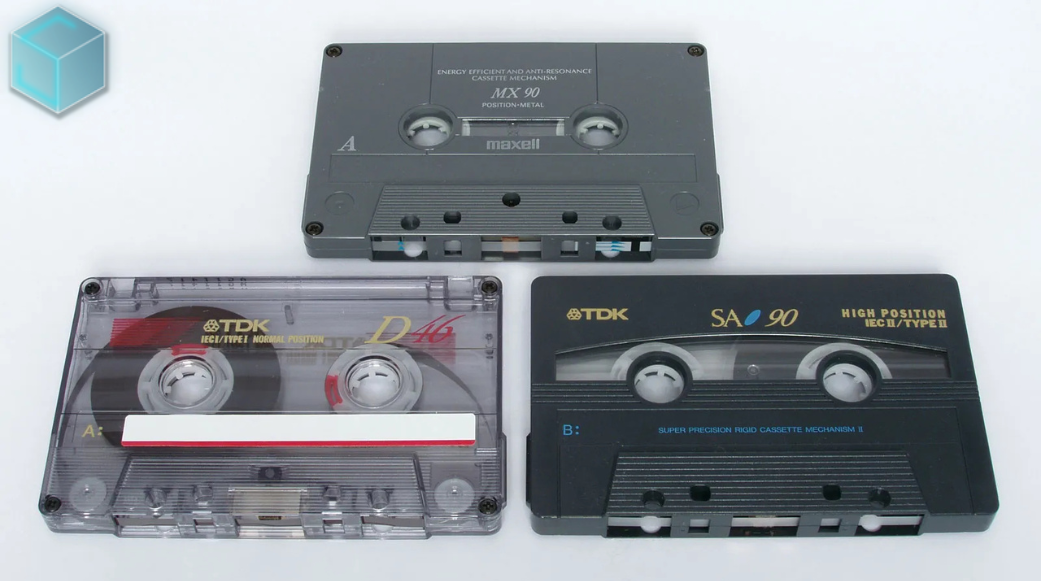
August 23, 2025
The 1980s and 1990s analog music medium known as cassette cassettes is experiencing an unanticipated comeback, with Gen Z spearheading the trend. Taylor Swift, who included cassettes in the release...
Read more
August 23, 2025
This week's most notable headline: Doja Cat's erotically charged, '80s-inspired music video, "Jealous Type," is dominating social media feeds and cultural discourse, marking her most daring...
Read more
Tracy Chapman's "Fast Car" is not just a song; it's a cultural phenomenon that transcends its initial release. Its ascent to global acclaim was catalyzed by a pivotal moment: Chapman's performance at the Nelson Mandela 70th Birthday Tribute concert on June 11, 1988. This event propelled "Fast Car" up the US charts, where it peaked at Number 6 on the Billboard Hot 100 for the week ending August 27, 1988. Despite its immense popularity in the USA, "Fast Car" had a distinct reception worldwide. For instance, in France, it did not enjoy the same radio airplay, possibly due to cultural differences in thematic resonance. However, it won the "Best Pop Vocal Performance Female" at the 1989 Grammy Awards and was a contender for Song of the Year.
Chapman's insights into the song reveal a deep connection between her personal experiences and the narrative within "Fast Car." Speaking on BBC radio in 2010, Chapman shared that while "Fast Car" played a significant role in shaping her debut record and public perception, it wasn't autobiographical, and describes the exact moment when the words flowed out of her mouth:
''I definitely felt the emotionality of the song that there were something… You never know how other people are going to respond to it and this is not that relevant but one thing I remember about writing the song that it was late in the evening and at the time I had a small dog, a Miniature Dachshund, and the dog was staying up with me. She didn’t always stay up if I stayed up late, I think she was sitting on the couch right next to me, when I first started writing the music and the first few lyrics, I think the first part of the song that came to me was the first line “You’ve got a fast car…” I just feel that I remember in a way that she seemed to be more procked up than usual. So I don’t know if she felt my energy or if she was just not as tired as she normally was but it was kind of funny to have her there for the process of the beginning of writing that song...''
Interestingly, Chapman later realized that "Fast Car" might have been unconsciously inspired by her parents' story — young and hopeful, they faced the harsh realities of building a life together with limited resources. This revelation adds layers of depth to the song, connecting Chapman's personal history with the universal themes of struggle, hope, and the pursuit of dreams.
“I believe that I wrote the song “Fast Car” in 1986. At the time that I wrote the song, I actually didn’t really know who I was writing about. Looking back at it, and this happens with other songs as well, that I feel like I understand it only later… I think that it was a song about my parents… And about how when they met each other they were very young and they wanted to start a news life together and my mother was anxious to leave home. My parents got married and went out into the world to try to make a place for themselves and it was very difficult going.
My mother didn’t have a high school diploma and my father was a few years older. It was hard for him to create the kind of life that he dreamed of… With the education that he had…. With the opportunities that were available to him… In a sense I think they came together thinking that together they would have a better chance at making it”
Chapman's reflections on "Fast Car" highlight the song's emotional resonance and its capacity to capture the essence of human experiences. From its inception, accompanied by the watchful eyes of a small dog, to its role in articulating the struggles and hopes of a generation, "Fast Car" stands as a monument to Chapman's storytelling prowess and the power of music to reflect and influence the fabric of society.
.png)


