.png)
March 25, 2026
At this year’s Grammys, Justin Bieber stepped onto the stage in a way no one expected. There were no elaborate visuals, no heavy styling, no spectacle. Just boxers, socks, a mirror placed in front...
Read more.png)
March 25, 2026
Not long ago, the idea of a computer creating an entire song felt like science fiction. Now it’s becoming surprisingly common. With tools like Suno and Udio, AI-generated music is being uploaded to...
Read more.png)
March 25, 2026
Open Spotify’s Top 50 and you’ll notice something subtle but consistent: songs are getting shorter. Two minutes and thirty seconds is no longer unusual. Some tracks barely cross the two-minute mark...
Read more.png)
March 2, 2026
Sabrina Carpenter’s Short n’ Sweet era shows how banjo and other country sounds can live comfortably inside glossy pop production. Her tracks mix bright acoustic textures with punchy drums, synths...
Read more.png)
March 2, 2026
Over the last few years, phonk has exploded from underground SoundCloud mixes into mainstream playlists and TikTok trends. You’ve probably heard its gritty, nostalgic energy like the dark bass...
Read more.png)
March 2, 2026
Not long ago, songs were built slowly. An instrumental intro would set the mood, a verse would ease listeners in, and the chorus arrived later as the reward. Today, that structure is quietly...
Read more.png)
March 2, 2026
Bad Bunny’s 2026 Super Bowl show didn’t just break viewing records—it confirmed that the “global sound” (Latin music, Afrobeats, Amapiano, Afro-fusion) is now the center of pop culture, not a side...
Read more.png)
March 2, 2026
If you’ve been mixing music for a while, you’ve probably heard about Spotify’s big update: lossless streaming is finally here. That means Premium users can now listen to songs in full-quality FLAC...
Read more
October 23, 2025
Discover how Mix Master strengthens your brain just like an instrument - training focus, creativity, and emotional intelligence through the science of sound.
Read more.png)
September 8, 2025
Tools like Suno are now powerful enough to generate melodies, lyrics, and even full songs in seconds. That’s exciting—and controversial. Just ask Timbaland. Recently, he came under fire..
Read more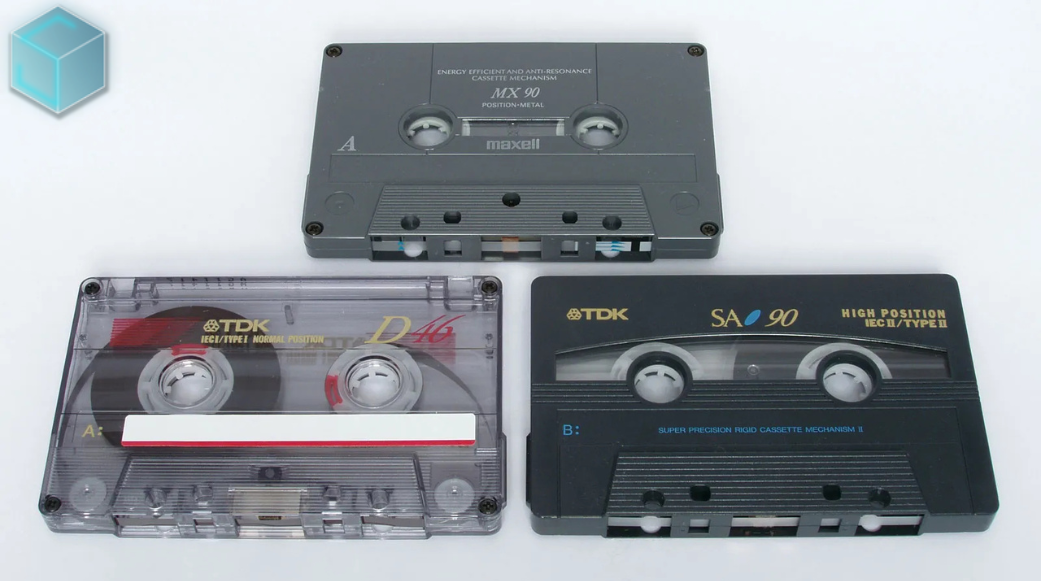
August 23, 2025
The 1980s and 1990s analog music medium known as cassette cassettes is experiencing an unanticipated comeback, with Gen Z spearheading the trend. Taylor Swift, who included cassettes in the release...
Read more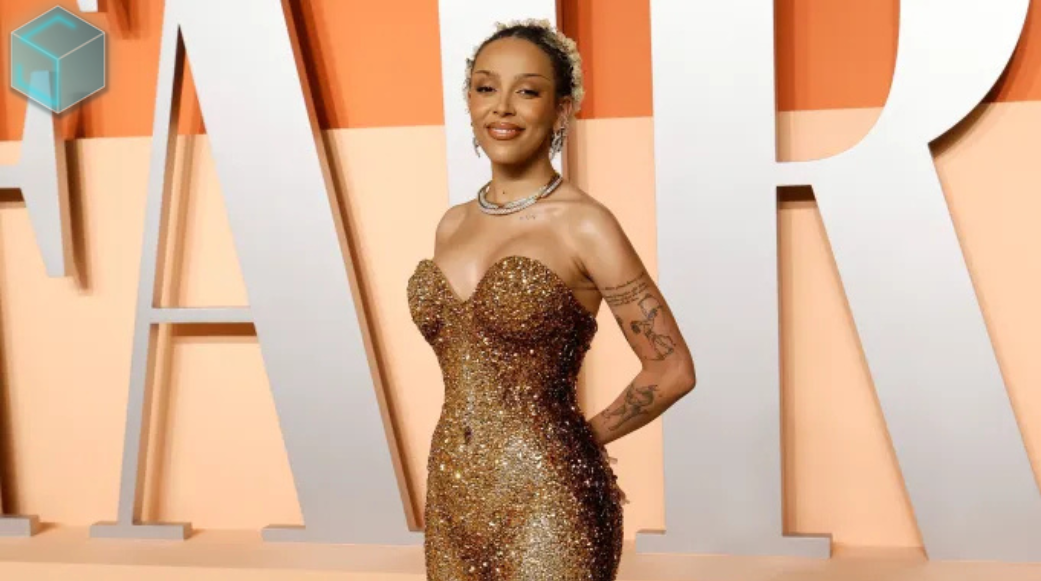
August 23, 2025
This week's most notable headline: Doja Cat's erotically charged, '80s-inspired music video, "Jealous Type," is dominating social media feeds and cultural discourse, marking her most daring...
Read more.png)
If you’ve been writing music for a decade but are just starting to dive into vocal melodies, you’re not alone in facing challenges with phrasing and creating vocal dynamics that don’t feel repetitive or too tightly aligned with the instrumental melody. While this side of the creative process can feel unfamiliar, there are some strategies that can help you approach vocal writing with more confidence and purpose.
Let’s explore these techniques with examples of artists and songs that execute each point exceptionally well.
One of the most important things to keep in mind when writing vocal melodies is that they don’t always need to align perfectly with the instrumental melody. Some of the most interesting vocal lines contrast with or weave through the instrumentation in unexpected ways.
One of the key challenges you mentioned is finding the right phrasing—when to make changes and how to create vocal dynamics. Phrasing is all about where you place your vocal lines within the music and how you use rhythm to make the melody more interesting.
Dynamics play a huge role in making your vocal melody feel alive and emotionally compelling. Think of dynamics as the volume, intensity, and emotional arc of your vocal performance.
To avoid having your vocal melody sound like a copy of the instrumental line, create contrast between the two. Here are some ways to break away from the instrumental melody:
Sometimes, the lyrics themselves can help guide the melody. The natural rhythm and cadence of the words can inspire where the melody should rise and fall. Pay attention to the emotional content of the lyrics as well—use the melody to reflect and amplify the feelings expressed in the words.
It’s important to give yourself the freedom to experiment and go with the flow when writing vocal melodies, especially if this side of the creative process is new to you. At the same time, staying intentional about the choices you make can help you craft something truly unique.
Writing vocal melodies and phrasing is a different skill set from composing instrumental music, but with practice and experimentation, it will become more natural. Focus on creating contrast, experimenting with phrasing, using dynamics to shape your melodies, and letting the lyrics guide you. Above all, trust the process and enjoy the creative journey.
By applying these principles—like the artists mentioned above—you can craft vocal melodies that stand out and enhance your music, transforming your rough sketches into full, dynamic tracks.
Got any tips or techniques for writing vocal melodies? Let’s chat in the comments below!
.png)


