.png)
March 25, 2026
At this year’s Grammys, Justin Bieber stepped onto the stage in a way no one expected. There were no elaborate visuals, no heavy styling, no spectacle. Just boxers, socks, a mirror placed in front...
Read more.png)
March 25, 2026
Not long ago, the idea of a computer creating an entire song felt like science fiction. Now it’s becoming surprisingly common. With tools like Suno and Udio, AI-generated music is being uploaded to...
Read more.png)
March 25, 2026
Open Spotify’s Top 50 and you’ll notice something subtle but consistent: songs are getting shorter. Two minutes and thirty seconds is no longer unusual. Some tracks barely cross the two-minute mark...
Read more.png)
March 2, 2026
Sabrina Carpenter’s Short n’ Sweet era shows how banjo and other country sounds can live comfortably inside glossy pop production. Her tracks mix bright acoustic textures with punchy drums, synths...
Read more.png)
March 2, 2026
Over the last few years, phonk has exploded from underground SoundCloud mixes into mainstream playlists and TikTok trends. You’ve probably heard its gritty, nostalgic energy like the dark bass...
Read more.png)
March 2, 2026
Not long ago, songs were built slowly. An instrumental intro would set the mood, a verse would ease listeners in, and the chorus arrived later as the reward. Today, that structure is quietly...
Read more.png)
March 2, 2026
Bad Bunny’s 2026 Super Bowl show didn’t just break viewing records—it confirmed that the “global sound” (Latin music, Afrobeats, Amapiano, Afro-fusion) is now the center of pop culture, not a side...
Read more.png)
March 2, 2026
If you’ve been mixing music for a while, you’ve probably heard about Spotify’s big update: lossless streaming is finally here. That means Premium users can now listen to songs in full-quality FLAC...
Read more
October 23, 2025
Discover how Mix Master strengthens your brain just like an instrument - training focus, creativity, and emotional intelligence through the science of sound.
Read more.png)
September 8, 2025
Tools like Suno are now powerful enough to generate melodies, lyrics, and even full songs in seconds. That’s exciting—and controversial. Just ask Timbaland. Recently, he came under fire..
Read more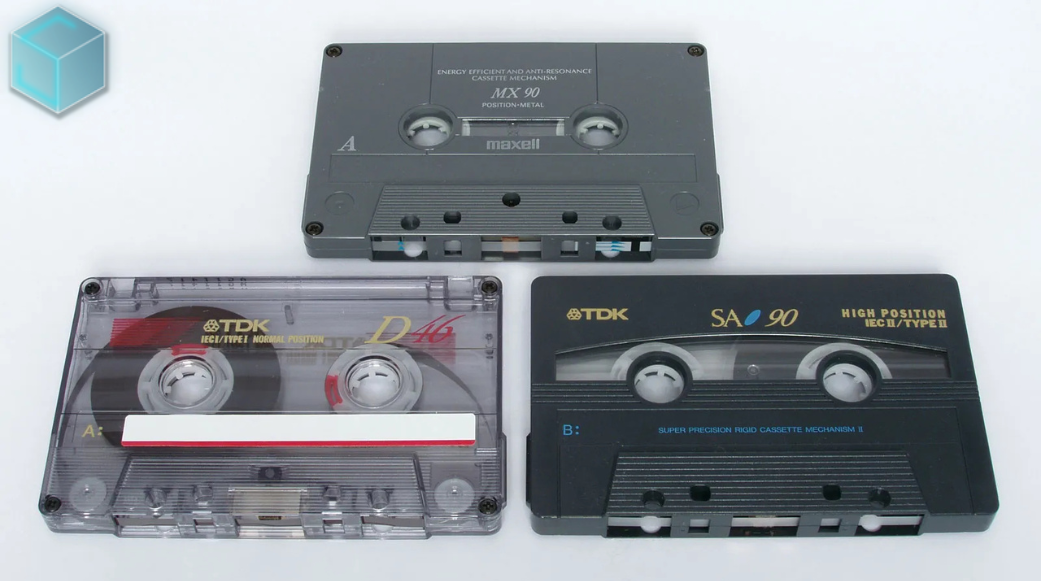
August 23, 2025
The 1980s and 1990s analog music medium known as cassette cassettes is experiencing an unanticipated comeback, with Gen Z spearheading the trend. Taylor Swift, who included cassettes in the release...
Read more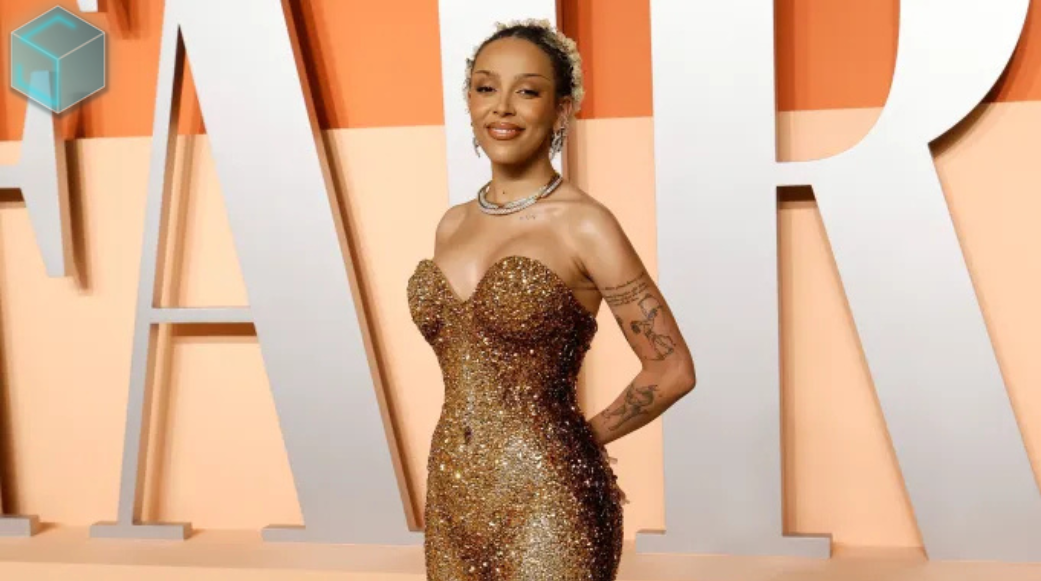
August 23, 2025
This week's most notable headline: Doja Cat's erotically charged, '80s-inspired music video, "Jealous Type," is dominating social media feeds and cultural discourse, marking her most daring...
Read more
AI in music has gone from sci-fi fantasy to daily reality. Tools like Suno are now powerful enough to generate melodies, lyrics, and even full songs in seconds. That’s exciting—and controversial. Just ask Timbaland. Recently, he came under fire for reportedly using music sent to him for review to train his Suno model without permission. For many creators, that felt like crossing a line.
So here’s the big question: should you use Suno in your workflow? The answer depends on how you approach it. If you’re the type who wants to stay ahead as an early adopter—not resisting new tools but also not handing over the keys to your artistry—then Suno can be a powerful ally. The trick is making sure you’re the creator, and Suno is just a tool.
AI has always sparked debate in creative communities. When Kanye West leaned into Auto-Tune on 808s & Heartbreak, people called it a gimmick. Now, it’s a standard tool in modern music. When Billie Eilish and Finneas started experimenting with extreme vocal layering, it sounded strange to some—but it defined an entire era of pop.
Suno is today’s version of that debate. Critics argue it’s cheating, while supporters say it’s no different than using a sampler or loop pack. Both sides have a point. The real danger is not the tool itself, but what you do with it. If you lean on AI to do everything, you’ll lose your artistic identity. But if you treat it like a collaborator that sparks ideas, you can level up without losing your voice.
Here’s the truth: humans are naturally lazy. We gravitate toward the path of least resistance. That’s why preset packs, ghostwriters, and sample libraries exist. AI just happens to be the newest shortcut.
But laziness doesn’t have to be a dealbreaker. If you let Suno replace your creativity, your music will sound generic. If you use it to free up time and mental space so you can focus on the details that matter, it becomes a growth tool.
Think about Timbaland again: people weren’t upset because he used Suno. They were upset because he allegedly skipped the human respect part of the equation. That’s the risk of laziness—you cut corners that compromise trust, originality, or taste.
No matter how good AI gets, the one thing it can never replicate is your taste.
Taste is what tells you a beat feels too cluttered, a lyric feels off, or a melody makes you feel something. It’s why Pharrell can hear a loop and transform it into a global hit, while someone else might shrug it off. Suno can generate endless ideas, but only your taste can filter those ideas into something that sounds authentically you.
If you train your taste—by studying great records, experimenting with sound design, and sharpening your ear—you’ll never be outshined by an algorithm. Taste is your compass, and Suno is just one more brush in your toolkit.
Here are four practical ways to use Suno effectively:
The Timbaland controversy shows the risks: if you’re lazy, careless, or disrespectful with how you use AI, it backfires. But if you’re thoughtful, disciplined, and guided by taste, Suno can be a powerful tool in your workflow.
.png)


