.png)
March 25, 2026
At this year’s Grammys, Justin Bieber stepped onto the stage in a way no one expected. There were no elaborate visuals, no heavy styling, no spectacle. Just boxers, socks, a mirror placed in front...
Read more.png)
March 25, 2026
Not long ago, the idea of a computer creating an entire song felt like science fiction. Now it’s becoming surprisingly common. With tools like Suno and Udio, AI-generated music is being uploaded to...
Read more.png)
March 25, 2026
Open Spotify’s Top 50 and you’ll notice something subtle but consistent: songs are getting shorter. Two minutes and thirty seconds is no longer unusual. Some tracks barely cross the two-minute mark...
Read more.png)
March 2, 2026
Sabrina Carpenter’s Short n’ Sweet era shows how banjo and other country sounds can live comfortably inside glossy pop production. Her tracks mix bright acoustic textures with punchy drums, synths...
Read more.png)
March 2, 2026
Over the last few years, phonk has exploded from underground SoundCloud mixes into mainstream playlists and TikTok trends. You’ve probably heard its gritty, nostalgic energy like the dark bass...
Read more.png)
March 2, 2026
Not long ago, songs were built slowly. An instrumental intro would set the mood, a verse would ease listeners in, and the chorus arrived later as the reward. Today, that structure is quietly...
Read more.png)
March 2, 2026
Bad Bunny’s 2026 Super Bowl show didn’t just break viewing records—it confirmed that the “global sound” (Latin music, Afrobeats, Amapiano, Afro-fusion) is now the center of pop culture, not a side...
Read more.png)
March 2, 2026
If you’ve been mixing music for a while, you’ve probably heard about Spotify’s big update: lossless streaming is finally here. That means Premium users can now listen to songs in full-quality FLAC...
Read more
October 23, 2025
Discover how Mix Master strengthens your brain just like an instrument - training focus, creativity, and emotional intelligence through the science of sound.
Read more.png)
September 8, 2025
Tools like Suno are now powerful enough to generate melodies, lyrics, and even full songs in seconds. That’s exciting—and controversial. Just ask Timbaland. Recently, he came under fire..
Read more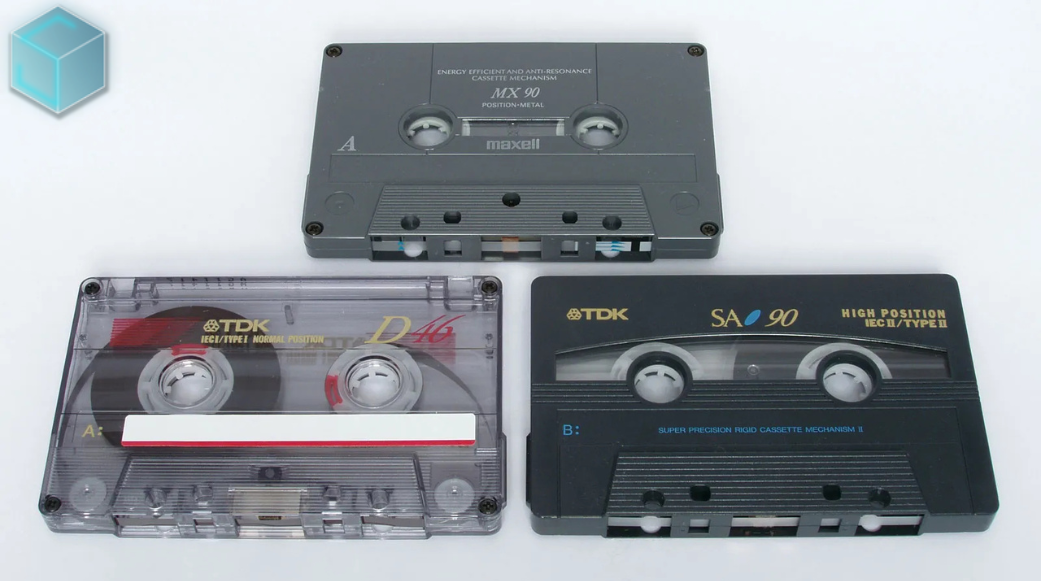
August 23, 2025
The 1980s and 1990s analog music medium known as cassette cassettes is experiencing an unanticipated comeback, with Gen Z spearheading the trend. Taylor Swift, who included cassettes in the release...
Read more
August 23, 2025
This week's most notable headline: Doja Cat's erotically charged, '80s-inspired music video, "Jealous Type," is dominating social media feeds and cultural discourse, marking her most daring...
Read more.png)
Creating music often feels like an intricate puzzle. You might have a melody that you love, but when it comes to pairing it with chords, you feel stuck. If you're in this situation, you're not alone. In fact, many famous musicians have faced similar challenges. For instance, Paul McCartney mentioned in interviews that when he first started with The Beatles, he only knew a handful of chords. It was through experimentation and persistence that he began crafting some of the most memorable songs in history.
Here, we’ll explore how you can start pairing chords with your melodies, offering practical steps and inspiration from the legends.
Melodies are built around notes, and chords are built around groups of notes that harmonize with each other. The trick to matching them is understanding the key your melody is in. For example, if your melody predominantly uses notes from the C major scale (C, D, E, F, G, A, B), you'll want to pick chords that fit within the key of C major.
If you’re self-taught and not sure what key your melody is in, try playing along with basic major or minor chords (C major, G major, A minor, etc.) until one seems to complement the melody. This trial-and-error approach can work wonders in developing your ear.
You don’t need a vast chord vocabulary to create great music. Even famous musicians, such as Kurt Cobain from Nirvana, worked with a limited set of chords. Songs like "Smells Like Teen Spirit" are built on just four basic power chords. Start with a few major or minor chords and build from there. Here’s a helpful formula:
Sometimes, your guitar’s tuning or the key you start in might not feel right. Using a capo can help adjust the pitch without changing the chord shapes. Similarly, you can try transposing (changing the key) of your melody up or down to find a comfortable chord structure that matches your voice.
What you’re referring to when you mention using strings instead of full chords is likely called playing "arpeggios" or "non-chord tones." This involves playing individual notes from the chord rather than strumming all the strings at once. Artists like Ed Sheeran and John Mayer use this technique to add subtlety to their music. By picking one or two notes that match your melody, you can create a sophisticated harmony without knowing dozens of chords.
Take inspiration from musicians who’ve mastered matching chords to their melodies. For example, Taylor Swift, who began as a self-taught musician, often built songs using only a handful of basic chords. Similarly, Johnny Cash created many of his iconic songs using simple chords, yet with a powerful melodic structure.
Since you’re teaching yourself, there are plenty of free resources that can help you expand your chord knowledge. Apps like "Chordify" or websites like "Ultimate Guitar" allow you to input a melody and find chords that fit. Another great method is learning songs you love and analyzing their chord progressions.
Many famous musicians had to overcome similar frustrations. Paul McCartney admitted that in the early days, he only knew three chords and had no formal training. He and John Lennon would experiment, play around with what sounded right, and let the music guide them. Similarly, Jack White of The White Stripes intentionally used limited resources (like fewer strings) to push his creativity to new heights.
Matching chords to your melody can feel overwhelming at first, but the key is persistence and creativity. Keep experimenting, keep playing, and trust that over time, the process will become more intuitive. Just remember, even the greatest musicians struggled in the beginning—and some of the best songs ever written came from that struggle.
So, whether you’re starting with just a few chords or exploring arpeggios and melodies, you’re in good company. Keep strumming, keep singing, and most importantly—keep creating.
Call to Action: Have your own tips for pairing chords to melodies? Share them in the comments, and let’s build a community of musicians helping each other out!
.png)


