.png)
March 25, 2026
At this year’s Grammys, Justin Bieber stepped onto the stage in a way no one expected. There were no elaborate visuals, no heavy styling, no spectacle. Just boxers, socks, a mirror placed in front...
Read more.png)
March 25, 2026
Not long ago, the idea of a computer creating an entire song felt like science fiction. Now it’s becoming surprisingly common. With tools like Suno and Udio, AI-generated music is being uploaded to...
Read more.png)
March 25, 2026
Open Spotify’s Top 50 and you’ll notice something subtle but consistent: songs are getting shorter. Two minutes and thirty seconds is no longer unusual. Some tracks barely cross the two-minute mark...
Read more.png)
March 2, 2026
Sabrina Carpenter’s Short n’ Sweet era shows how banjo and other country sounds can live comfortably inside glossy pop production. Her tracks mix bright acoustic textures with punchy drums, synths...
Read more.png)
March 2, 2026
Over the last few years, phonk has exploded from underground SoundCloud mixes into mainstream playlists and TikTok trends. You’ve probably heard its gritty, nostalgic energy like the dark bass...
Read more.png)
March 2, 2026
Not long ago, songs were built slowly. An instrumental intro would set the mood, a verse would ease listeners in, and the chorus arrived later as the reward. Today, that structure is quietly...
Read more.png)
March 2, 2026
Bad Bunny’s 2026 Super Bowl show didn’t just break viewing records—it confirmed that the “global sound” (Latin music, Afrobeats, Amapiano, Afro-fusion) is now the center of pop culture, not a side...
Read more.png)
March 2, 2026
If you’ve been mixing music for a while, you’ve probably heard about Spotify’s big update: lossless streaming is finally here. That means Premium users can now listen to songs in full-quality FLAC...
Read more
October 23, 2025
Discover how Mix Master strengthens your brain just like an instrument - training focus, creativity, and emotional intelligence through the science of sound.
Read more.png)
September 8, 2025
Tools like Suno are now powerful enough to generate melodies, lyrics, and even full songs in seconds. That’s exciting—and controversial. Just ask Timbaland. Recently, he came under fire..
Read more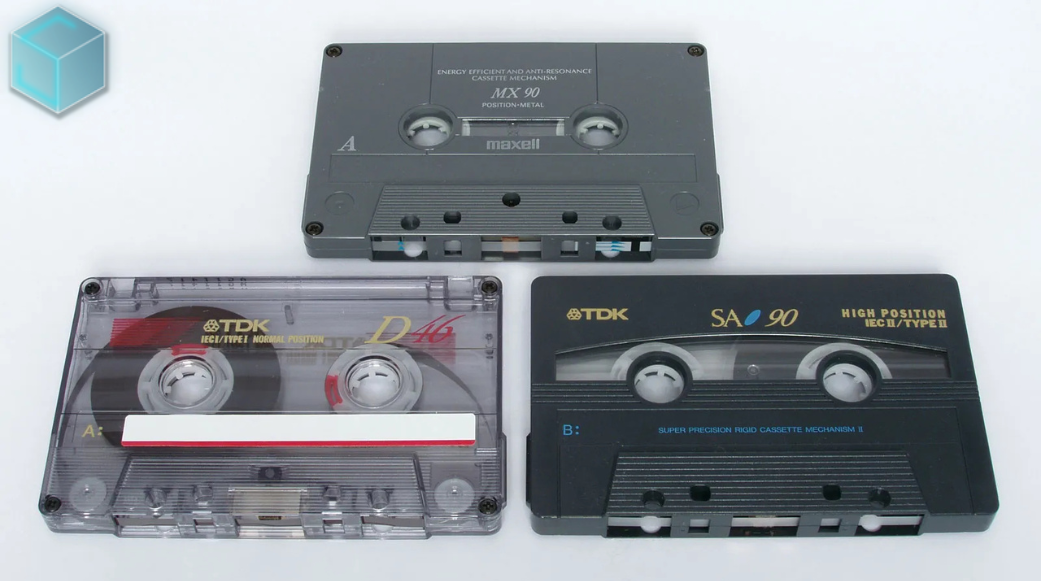
August 23, 2025
The 1980s and 1990s analog music medium known as cassette cassettes is experiencing an unanticipated comeback, with Gen Z spearheading the trend. Taylor Swift, who included cassettes in the release...
Read more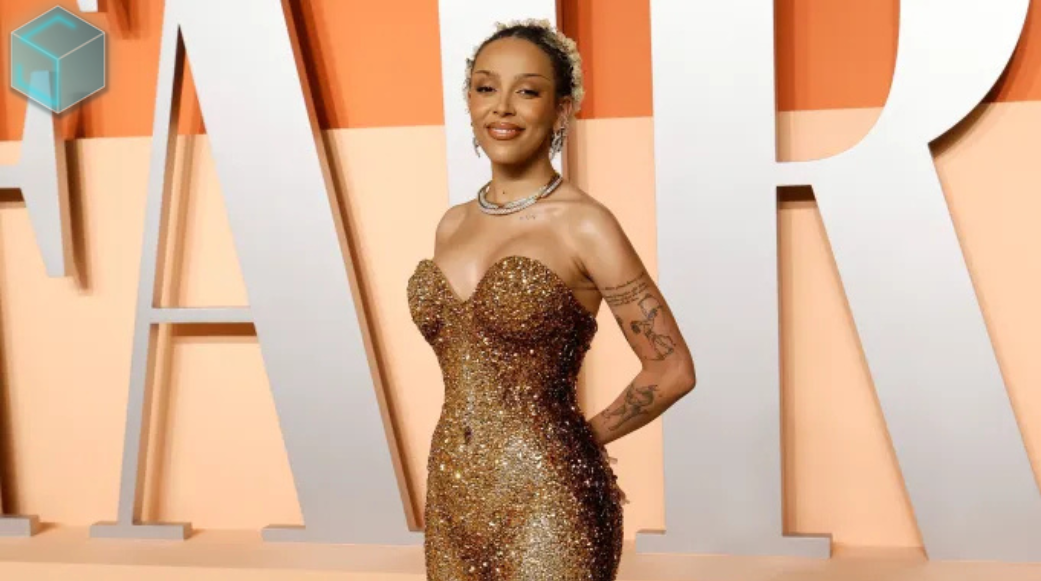
August 23, 2025
This week's most notable headline: Doja Cat's erotically charged, '80s-inspired music video, "Jealous Type," is dominating social media feeds and cultural discourse, marking her most daring...
Read more.png)
Hey there, fellow beatmakers! It’s awesome that you’ve started producing regularly—consistency is a crucial first step in mastering your craft. However, as you’ve noticed, simply making beats doesn’t always lead to unique or high-quality results. That’s totally normal. Developing your skills and becoming proficient as a beatmaker is a process that takes time, patience, and, most importantly, intentional practice.
In this article, we’ll explore the most efficient ways to master your creative process as a beatmaker, and how you can learn from one of the most respected producers in the game: J Dilla.
It’s easy to fall into the trap of making beats on autopilot. You’re producing regularly, but if you’re not actively trying to improve with each session, you might find yourself stuck in a loop of creating “mid” beats. The key here is intentional practice.
J Dilla's Approach
J Dilla, widely regarded as one of the greatest producers in hip-hop history, was known for his relentless work ethic and intentional practice. He didn't just create beats randomly; he meticulously worked on his craft every day, setting goals to refine his sound, whether it was through exploring new drum patterns, sample manipulation, or pushing the boundaries of rhythm and timing.
Crate digging is an essential part of beatmaking, especially if you’re sampling. But as you’ve pointed out, it can be easy to fall into the habit of grabbing random songs off YouTube without fully exploring the music. To improve your beats, try refining your digging process:
J Dilla's Approach
Dilla was a master of crate digging. He spent hours digging through records, searching for obscure samples that no one else had touched. His knowledge of music was extensive, and he understood the records he sampled inside and out. This allowed him to chop and manipulate samples in unique ways, creating beats that were far from disposable—they were timeless.
One thing that separates the greats from the rest is their deep understanding of music. If you feel like your beats are disposable, it might be because you’re relying on basic ideas without enough musical depth. Here are some ways to expand your musical knowledge:
J Dilla's Approach
J Dilla’s knowledge of music went beyond just sampling. He had a deep understanding of rhythm, melody, and harmony, which allowed him to create beats that were complex yet accessible. His unconventional use of rhythm, like the "drunken" swing in his drum patterns, came from his vast knowledge of jazz, funk, and soul. This gave his beats a unique feel that many producers still try to emulate today.
One of the most efficient ways to master your craft is to develop a consistent and methodical approach to beatmaking. This means creating a workflow that allows you to stay organized and focused. Here’s how:
J Dilla's Approach
Dilla was known for his methodical approach to beatmaking. He had a daily routine that involved hours in the studio, refining his craft. His process was highly disciplined, yet he remained fluid and creative within that structure. This methodical approach allowed him to produce an enormous body of work, much of which continues to influence modern music.
No matter how long you’ve been making beats, feedback is invaluable. Share your work with other producers, mentors, or even non-musicians to get fresh perspectives on your music. Don’t take criticism personally—use it as a tool to improve.
J Dilla's Approach
Dilla was never afraid of collaboration and often sought feedback from his peers. He worked with a range of artists, from A Tribe Called Quest to Erykah Badu, and these collaborations helped him grow as a producer. He was always open to refining and iterating on his beats until they met his high standards.
Mastering your craft takes time. It’s common to go through periods where you feel like you’re not improving or your work isn’t good enough. But don’t let this discourage you. Keep pushing through those moments, and trust that with consistent effort, you will see growth.
J Dilla's Approach
Dilla’s persistence and patience were key to his success. He didn’t achieve greatness overnight; it took years of consistent work and dedication. Even when faced with health challenges, he continued to produce groundbreaking music, showing that persistence pays off in the long run.
Mastering your craft as a beatmaker isn’t about producing a masterpiece every time you sit down at your DAW. It’s about developing a process, honing your skills, and growing your knowledge over time. By focusing on intentional practice, refining your crate-digging process, expanding your musical knowledge, and staying patient, you’ll start to see the quality of your beats improve.
So, what’s your process? How do you approach beatmaking, and what challenges have you faced along the way? Let’s chat in the comments and learn from each other!
.png)


