.png)
March 25, 2026
At this year’s Grammys, Justin Bieber stepped onto the stage in a way no one expected. There were no elaborate visuals, no heavy styling, no spectacle. Just boxers, socks, a mirror placed in front...
Read more.png)
March 25, 2026
Not long ago, the idea of a computer creating an entire song felt like science fiction. Now it’s becoming surprisingly common. With tools like Suno and Udio, AI-generated music is being uploaded to...
Read more.png)
March 25, 2026
Open Spotify’s Top 50 and you’ll notice something subtle but consistent: songs are getting shorter. Two minutes and thirty seconds is no longer unusual. Some tracks barely cross the two-minute mark...
Read more.png)
March 2, 2026
Sabrina Carpenter’s Short n’ Sweet era shows how banjo and other country sounds can live comfortably inside glossy pop production. Her tracks mix bright acoustic textures with punchy drums, synths...
Read more.png)
March 2, 2026
Over the last few years, phonk has exploded from underground SoundCloud mixes into mainstream playlists and TikTok trends. You’ve probably heard its gritty, nostalgic energy like the dark bass...
Read more.png)
March 2, 2026
Not long ago, songs were built slowly. An instrumental intro would set the mood, a verse would ease listeners in, and the chorus arrived later as the reward. Today, that structure is quietly...
Read more.png)
March 2, 2026
Bad Bunny’s 2026 Super Bowl show didn’t just break viewing records—it confirmed that the “global sound” (Latin music, Afrobeats, Amapiano, Afro-fusion) is now the center of pop culture, not a side...
Read more.png)
March 2, 2026
If you’ve been mixing music for a while, you’ve probably heard about Spotify’s big update: lossless streaming is finally here. That means Premium users can now listen to songs in full-quality FLAC...
Read more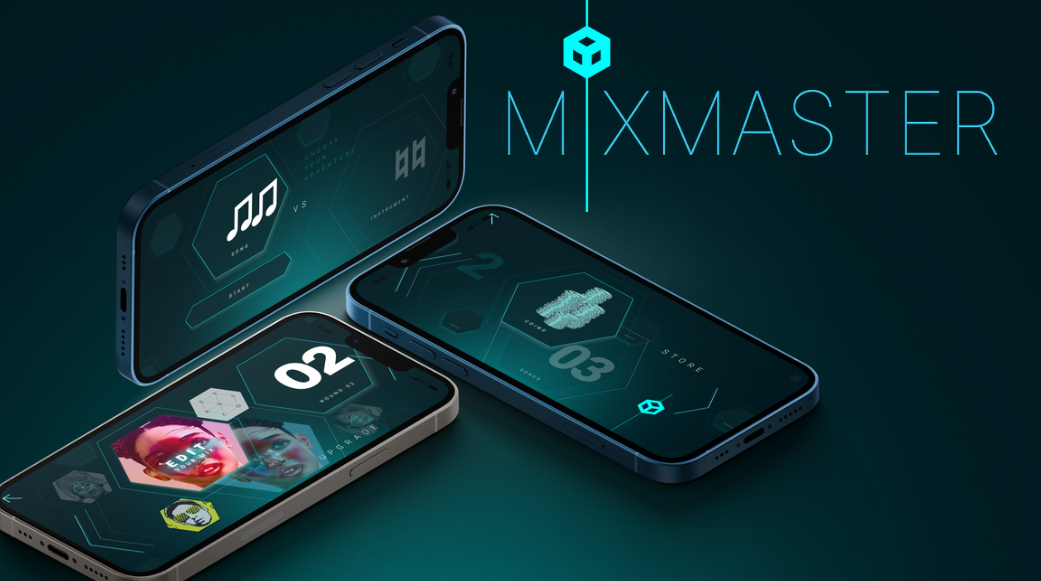
October 23, 2025
Discover how Mix Master strengthens your brain just like an instrument - training focus, creativity, and emotional intelligence through the science of sound.
Read more.png)
September 8, 2025
Tools like Suno are now powerful enough to generate melodies, lyrics, and even full songs in seconds. That’s exciting—and controversial. Just ask Timbaland. Recently, he came under fire..
Read more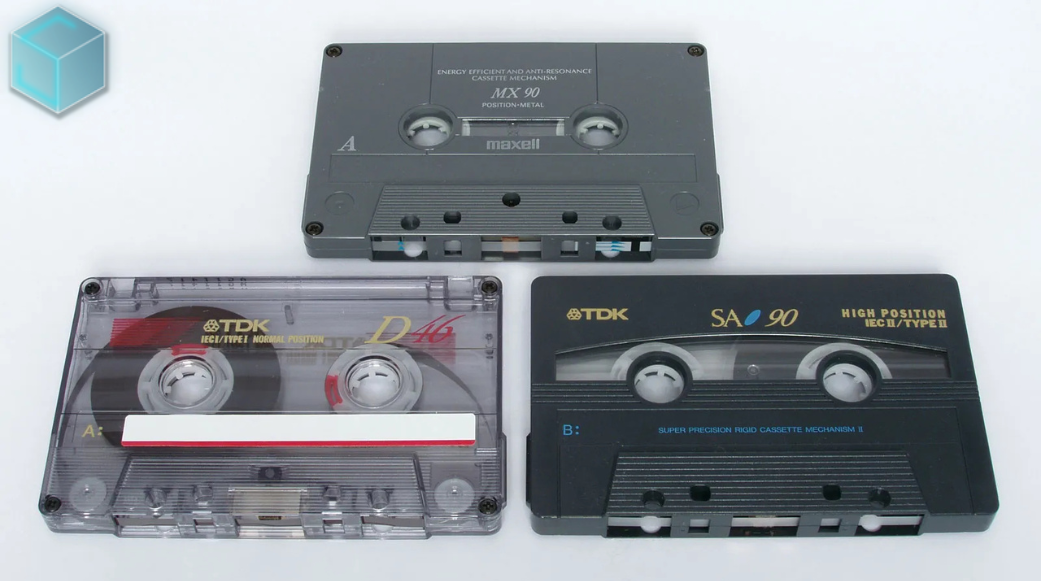
August 23, 2025
The 1980s and 1990s analog music medium known as cassette cassettes is experiencing an unanticipated comeback, with Gen Z spearheading the trend. Taylor Swift, who included cassettes in the release...
Read more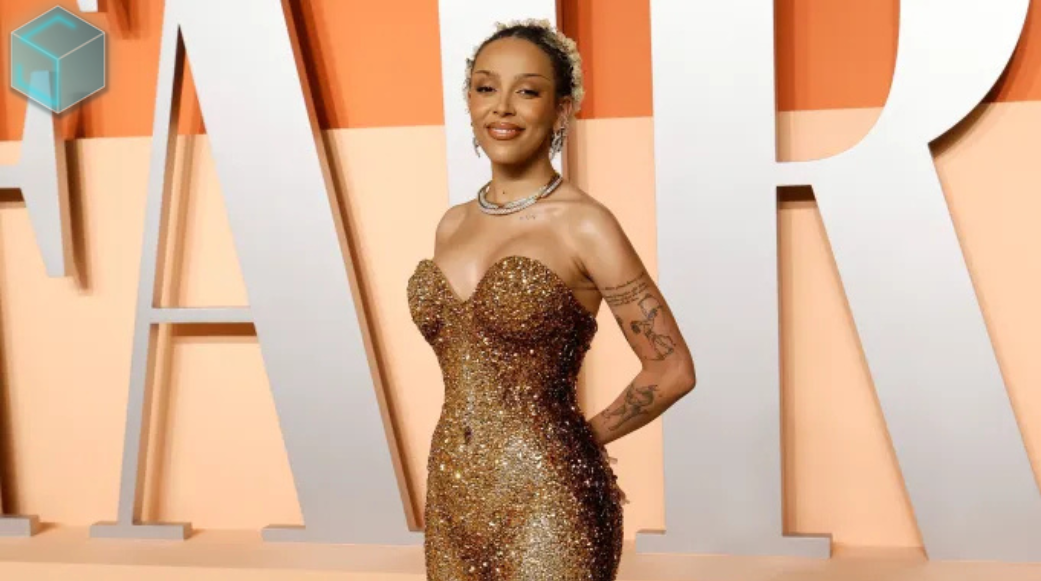
August 23, 2025
This week's most notable headline: Doja Cat's erotically charged, '80s-inspired music video, "Jealous Type," is dominating social media feeds and cultural discourse, marking her most daring...
Read more.png)
When you're creating music on your own, it can be tough to define your style, especially with so many genres and influences out there. You might feel like you’re trying to piece together a puzzle without knowing what the final picture looks like. Narrowing down your genre can make the process of learning and making music smoother, helping you focus your efforts.
Many famous musicians faced this same struggle, but by experimenting, reflecting on their influences, and honing their craft, they found their sound. Here’s how you can do the same:
Before narrowing down to a specific genre, it’s important to explore different styles and see what resonates with you. Don’t be afraid to experiment across genres to find where your sound naturally fits. Often, your style will emerge organically through trial and error.
What You Can Do:
Example: Childish Gambino (Donald Glover) began his music career experimenting with genres like hip-hop and electronic, but his 2016 album Awaken, My Love! saw him shift to a funk and soul-inspired sound. By trying different styles, he found his unique voice in an unexpected place.
One of the easiest ways to narrow down your genre is to reflect on the music you listen to and admire. What artists and sounds are you naturally drawn to? These preferences can help guide your genre choice.
What You Can Do:
Example: Bruno Mars initially began his career as a producer, but after reflecting on his influences like Prince, Elvis Presley, and Michael Jackson, he found his sound in funk, pop, and R&B. His ability to draw from his idols while maintaining his individuality helped him create chart-topping hits.
Another important step is to listen to the music you’ve already made. Sometimes, your genre might be hiding within the work you’ve already created. Review your past projects with an objective ear and analyze what sound seems to come naturally.
What You Can Do:
Example: Tyler, The Creator often blurs genre lines with his music, but by looking back at his earlier work, he noticed that his sound often blended hip-hop with jazz and R&B. This reflection helped him craft albums like IGOR, which embraced a more refined and focused genre.
Genres aren’t just about technical aspects—they also come from an emotional connection. The genre that resonates with you emotionally is likely the one you’ll excel at the most. Pay attention to how certain music makes you feel and use that as a guide.
What You Can Do:
Example: Adele built her career by tapping into her emotional connection with soul and pop music. Her ability to channel personal experiences into relatable ballads like Someone Like You solidified her place in the pop-soul genre.
Discovering your genre doesn’t have to happen overnight. It’s a journey that can evolve as you grow as a musician. Don’t rush the process—sometimes, your genre will reveal itself over time.
What You Can Do:
Example: Kanye West has famously evolved throughout his career, experimenting with everything from traditional hip-hop on The College Dropout to electronic and experimental sounds on Yeezus. His genre evolution didn’t happen overnight—it grew as his music developed.
Finding your genre is a natural part of the creative process, and it doesn’t have to be rushed. By exploring different styles, reflecting on your influences, analyzing your own music, and following your emotional connection, you’ll gradually discover the genre that fits your sound.
Many famous artists have gone through this same process—experimenting and evolving over time. Like Childish Gambino, Bruno Mars, and Adele, your genre will eventually emerge as you continue to create and hone your craft. Stay open to the journey, and remember that your unique sound may lie in a genre you didn’t initially expect.
.png)


