.png)
March 25, 2026
At this year’s Grammys, Justin Bieber stepped onto the stage in a way no one expected. There were no elaborate visuals, no heavy styling, no spectacle. Just boxers, socks, a mirror placed in front...
Read more.png)
March 25, 2026
Not long ago, the idea of a computer creating an entire song felt like science fiction. Now it’s becoming surprisingly common. With tools like Suno and Udio, AI-generated music is being uploaded to...
Read more.png)
March 25, 2026
Open Spotify’s Top 50 and you’ll notice something subtle but consistent: songs are getting shorter. Two minutes and thirty seconds is no longer unusual. Some tracks barely cross the two-minute mark...
Read more.png)
March 2, 2026
Sabrina Carpenter’s Short n’ Sweet era shows how banjo and other country sounds can live comfortably inside glossy pop production. Her tracks mix bright acoustic textures with punchy drums, synths...
Read more.png)
March 2, 2026
Over the last few years, phonk has exploded from underground SoundCloud mixes into mainstream playlists and TikTok trends. You’ve probably heard its gritty, nostalgic energy like the dark bass...
Read more.png)
March 2, 2026
Not long ago, songs were built slowly. An instrumental intro would set the mood, a verse would ease listeners in, and the chorus arrived later as the reward. Today, that structure is quietly...
Read more.png)
March 2, 2026
Bad Bunny’s 2026 Super Bowl show didn’t just break viewing records—it confirmed that the “global sound” (Latin music, Afrobeats, Amapiano, Afro-fusion) is now the center of pop culture, not a side...
Read more.png)
March 2, 2026
If you’ve been mixing music for a while, you’ve probably heard about Spotify’s big update: lossless streaming is finally here. That means Premium users can now listen to songs in full-quality FLAC...
Read more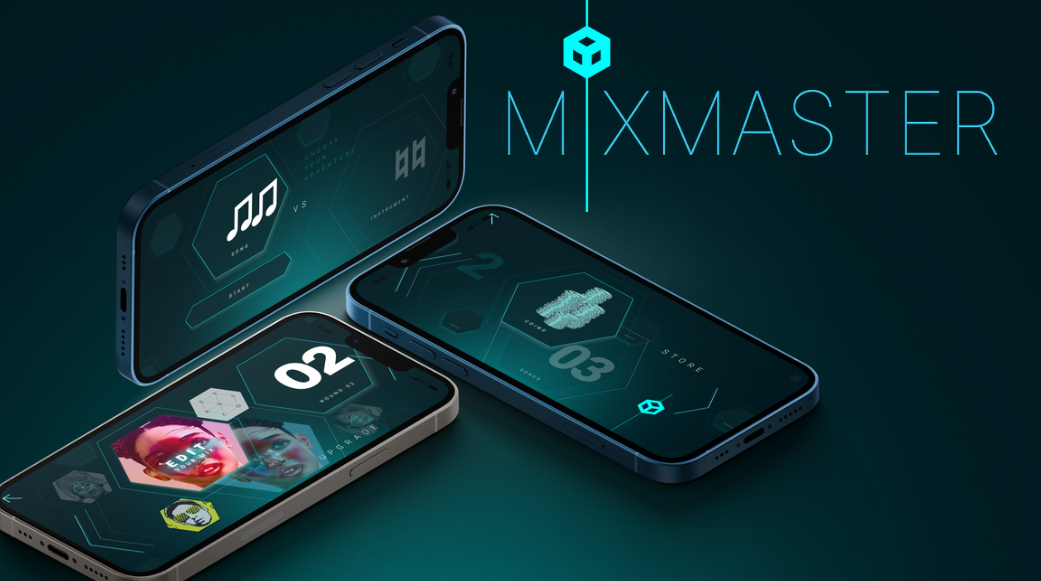
October 23, 2025
Discover how Mix Master strengthens your brain just like an instrument - training focus, creativity, and emotional intelligence through the science of sound.
Read more.png)
September 8, 2025
Tools like Suno are now powerful enough to generate melodies, lyrics, and even full songs in seconds. That’s exciting—and controversial. Just ask Timbaland. Recently, he came under fire..
Read more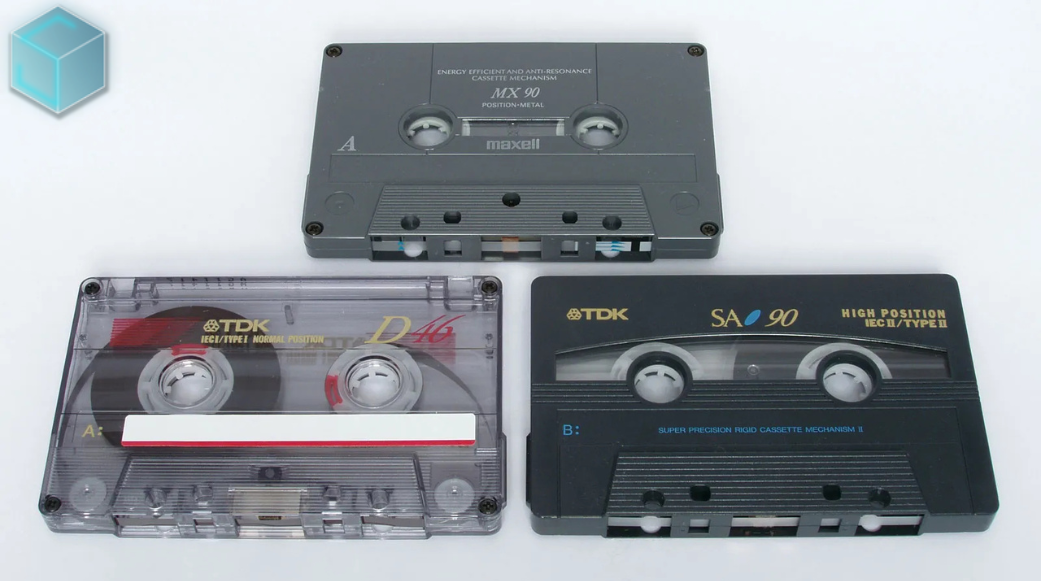
August 23, 2025
The 1980s and 1990s analog music medium known as cassette cassettes is experiencing an unanticipated comeback, with Gen Z spearheading the trend. Taylor Swift, who included cassettes in the release...
Read more
August 23, 2025
This week's most notable headline: Doja Cat's erotically charged, '80s-inspired music video, "Jealous Type," is dominating social media feeds and cultural discourse, marking her most daring...
Read more
The 1990s saw the rise of many influential bands, but few reshaped the alternative music landscape like Radiohead. With a sound that transcended traditional rock, they pushed the boundaries of the genre, blending elements of electronic, classical, punk, and jazz. Their groundbreaking music and cultural impact cemented their place as one of the most innovative bands of the era.
A Sonic Evolution: From "Creep" to *OK Computer*
Radiohead first gained international attention with their 1993 debut album, *Pablo Honey*, featuring the hit single *"Creep"*. Its mix of post-punk, Britpop, and electronic rock quickly garnered them a loyal following. But it was their willingness to experiment that truly set them apart.
By 1995, the release of *The Bends* showcased a band evolving beyond their grunge-influenced beginnings, delivering a mix of acoustic and electric sounds with deeply introspective lyrics. Their 1997 masterpiece, *OK Computer*, marked a pivotal moment—not just for the band, but for alternative music as a whole. Combining electronic textures, innovative guitar work, and themes of alienation and technology, the album redefined what alternative rock could be. Tracks like *"Paranoid Android"* and *"Karma Police"* became anthems of a generation, while the album’s success paved the way for other artists to explore uncharted sonic territory.
Music as a Message
Radiohead’s impact went far beyond their sound. Through their evocative lyrics, surreal music videos, and mesmerizing live performances, the band tackled themes of environmentalism, technology, and societal disconnection. Their music wasn’t just entertainment—it was a call to think critically about the world.
This layered approach inspired countless other bands to challenge norms and explore deeper meanings in their art. Radiohead became a symbol of alternative culture, encouraging listeners and artists alike to break free from conventions.
Redefining Alternative Culture
Radiohead’s success in the 90s was rooted in their ability to subvert expectations and reinvent the genre. While many alternative bands of the era leaned heavily on guitar-driven rock, Radiohead embraced a broader sonic palette. They introduced digital synthesizers, experimental production techniques, and genre-blurring compositions.
Their influence extended to the visual arts as well. Music videos for songs like *"No Surprises"* and *"Just"* added a surreal, thought-provoking layer to their work. This holistic creative approach elevated them beyond the realm of music, making Radiohead cultural trailblazers.
The Legacy of Radiohead
By the turn of the millennium, Radiohead had become a global phenomenon, symbolizing the evolution of alternative music into a more experimental and introspective form. Their willingness to take risks and challenge the status quo left an indelible mark on modern music.
To me, and to countless others, Radiohead’s legacy is a reminder of the power of innovation. Their music continues to inspire, not just for its groundbreaking sound but for its enduring message: art should push boundaries, provoke thought, and above all, remain true to itself.
Radiohead didn’t just influence 90s alternative culture—they redefined it, paving the way for a new era of music and creativity. Their impact is as profound today as it was decades ago, echoing in the work of musicians who dare to think outside the box.
.png)


