.png)
March 25, 2026
At this year’s Grammys, Justin Bieber stepped onto the stage in a way no one expected. There were no elaborate visuals, no heavy styling, no spectacle. Just boxers, socks, a mirror placed in front...
Read more.png)
March 25, 2026
Not long ago, the idea of a computer creating an entire song felt like science fiction. Now it’s becoming surprisingly common. With tools like Suno and Udio, AI-generated music is being uploaded to...
Read more.png)
March 25, 2026
Open Spotify’s Top 50 and you’ll notice something subtle but consistent: songs are getting shorter. Two minutes and thirty seconds is no longer unusual. Some tracks barely cross the two-minute mark...
Read more.png)
March 2, 2026
Sabrina Carpenter’s Short n’ Sweet era shows how banjo and other country sounds can live comfortably inside glossy pop production. Her tracks mix bright acoustic textures with punchy drums, synths...
Read more.png)
March 2, 2026
Over the last few years, phonk has exploded from underground SoundCloud mixes into mainstream playlists and TikTok trends. You’ve probably heard its gritty, nostalgic energy like the dark bass...
Read more.png)
March 2, 2026
Not long ago, songs were built slowly. An instrumental intro would set the mood, a verse would ease listeners in, and the chorus arrived later as the reward. Today, that structure is quietly...
Read more.png)
March 2, 2026
Bad Bunny’s 2026 Super Bowl show didn’t just break viewing records—it confirmed that the “global sound” (Latin music, Afrobeats, Amapiano, Afro-fusion) is now the center of pop culture, not a side...
Read more.png)
March 2, 2026
If you’ve been mixing music for a while, you’ve probably heard about Spotify’s big update: lossless streaming is finally here. That means Premium users can now listen to songs in full-quality FLAC...
Read more
October 23, 2025
Discover how Mix Master strengthens your brain just like an instrument - training focus, creativity, and emotional intelligence through the science of sound.
Read more.png)
September 8, 2025
Tools like Suno are now powerful enough to generate melodies, lyrics, and even full songs in seconds. That’s exciting—and controversial. Just ask Timbaland. Recently, he came under fire..
Read more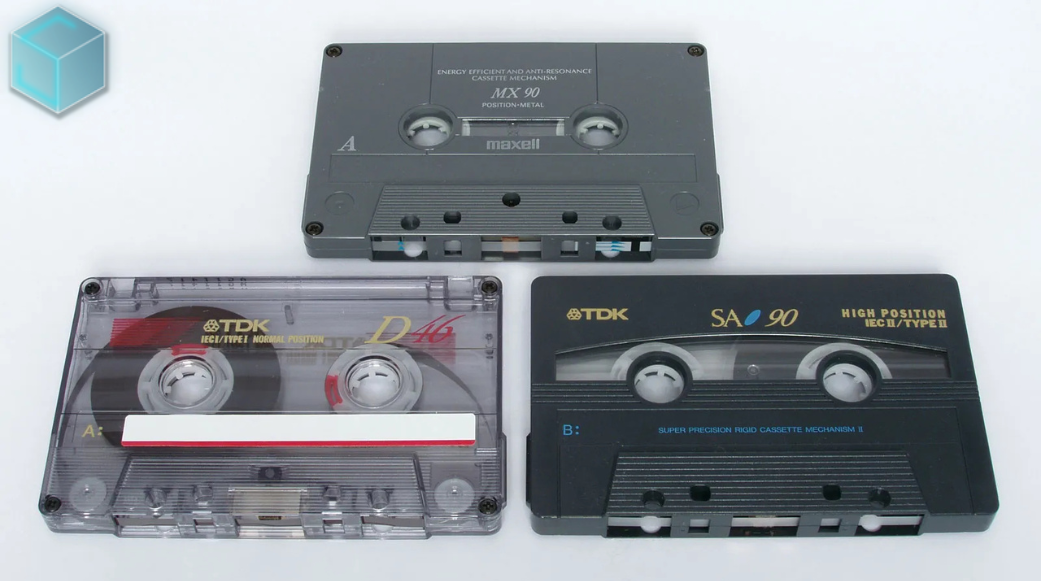
August 23, 2025
The 1980s and 1990s analog music medium known as cassette cassettes is experiencing an unanticipated comeback, with Gen Z spearheading the trend. Taylor Swift, who included cassettes in the release...
Read more
August 23, 2025
This week's most notable headline: Doja Cat's erotically charged, '80s-inspired music video, "Jealous Type," is dominating social media feeds and cultural discourse, marking her most daring...
Read more.png)
JPEGMAFIA, known for his experimental production and raw, aggressive sound, has carved out a distinctive space in the music world with a style that’s hard to ignore. Whether you're a fan of his chaotic beats, distorted vocals, or gritty textures, it's clear that his mixing approach is a key element in creating the signature JPEGMAFIA sound. But how does he do it? Is it all about saturation, or is there something more to his production magic?
In this blog post, we’ll explore the techniques that JPEGMAFIA likely uses to achieve his unique sound, from his approach to mixing to the ways he creates that lo-fi, textured feel in his music.
One of the defining features of JPEGMAFIA’s sound is the heavy use of saturation and distortion. These elements give his tracks a raw, unpolished edge that sets them apart from the cleaner, more polished sounds of mainstream hip-hop.
Key Takeaway: Don’t be afraid to use saturation and distortion on unconventional elements of your mix. Instead of just saturating your drums or bass, experiment with adding distortion to vocals, synths, or even entire sections of your track.
While JPEGMAFIA’s music often feels tight and in-your-face, he also uses reverb in creative ways to add depth and contrast to his tracks.
Key Takeaway: Don’t think of reverb as just a way to make things sound “bigger.” Use it to create contrast, space, and atmosphere, but be deliberate about where and when you apply it. Sometimes, pulling all the reverb away can be just as impactful as adding more.
JPEGMAFIA’s music is full of contrast—not just in the arrangement but also in the dynamic range. He often combines elements that are loud and distorted with others that are quiet and intimate, creating a sense of tension and release throughout his tracks.
Key Takeaway: Use compression creatively, not just as a technical tool. You can use it to create aggression, intensity, or tightness, but don’t be afraid to let certain elements breathe without heavy compression to maintain contrast and dynamics in your track.
Another key to JPEGMAFIA’s unique sound is his approach to sampling and layering sounds. His tracks are often densely layered, with multiple samples, synths, and effects playing off each other to create a chaotic, yet cohesive, soundscape.
Key Takeaway: Don’t be afraid to use unconventional samples and layer multiple sounds together to create complexity in your mix. The more you experiment with different textures and sound sources, the more unique your music will become.
One of the most distinctive things about JPEGMAFIA’s music is that it often sounds “imperfect” by traditional production standards—and that’s exactly what makes it so compelling.
Key Takeaway: Don’t be afraid to break the rules. Imperfection and unpredictability can add character to your music, and sometimes pushing your sounds to the limit (or even past it) can lead to unexpected and exciting results.
JPEGMAFIA’s unique sound comes from a combination of experimental production techniques, creative use of saturation and distortion, dynamic contrast, and a willingness to break the rules. By using saturation to add grit, reverb to create space, and unconventional samples for texture, he’s able to craft a sound that’s raw, chaotic, and unmistakably his own.
If you’re looking to create music with a similar experimental edge, take inspiration from JPEGMAFIA’s approach and don’t be afraid to push boundaries in your mixing process. Embrace imperfection, experiment with dynamics, and most importantly, stay true to your artistic vision.
Have you tried any of JPEGMAFIA’s mixing techniques? Let us know how it went or share your own tips for achieving a unique sound in the comments below!
.png)


