.png)
March 25, 2026
At this year’s Grammys, Justin Bieber stepped onto the stage in a way no one expected. There were no elaborate visuals, no heavy styling, no spectacle. Just boxers, socks, a mirror placed in front...
Read more.png)
March 25, 2026
Not long ago, the idea of a computer creating an entire song felt like science fiction. Now it’s becoming surprisingly common. With tools like Suno and Udio, AI-generated music is being uploaded to...
Read more.png)
March 25, 2026
Open Spotify’s Top 50 and you’ll notice something subtle but consistent: songs are getting shorter. Two minutes and thirty seconds is no longer unusual. Some tracks barely cross the two-minute mark...
Read more.png)
March 2, 2026
Sabrina Carpenter’s Short n’ Sweet era shows how banjo and other country sounds can live comfortably inside glossy pop production. Her tracks mix bright acoustic textures with punchy drums, synths...
Read more.png)
March 2, 2026
Over the last few years, phonk has exploded from underground SoundCloud mixes into mainstream playlists and TikTok trends. You’ve probably heard its gritty, nostalgic energy like the dark bass...
Read more.png)
March 2, 2026
Not long ago, songs were built slowly. An instrumental intro would set the mood, a verse would ease listeners in, and the chorus arrived later as the reward. Today, that structure is quietly...
Read more.png)
March 2, 2026
Bad Bunny’s 2026 Super Bowl show didn’t just break viewing records—it confirmed that the “global sound” (Latin music, Afrobeats, Amapiano, Afro-fusion) is now the center of pop culture, not a side...
Read more.png)
March 2, 2026
If you’ve been mixing music for a while, you’ve probably heard about Spotify’s big update: lossless streaming is finally here. That means Premium users can now listen to songs in full-quality FLAC...
Read more
October 23, 2025
Discover how Mix Master strengthens your brain just like an instrument - training focus, creativity, and emotional intelligence through the science of sound.
Read more.png)
September 8, 2025
Tools like Suno are now powerful enough to generate melodies, lyrics, and even full songs in seconds. That’s exciting—and controversial. Just ask Timbaland. Recently, he came under fire..
Read more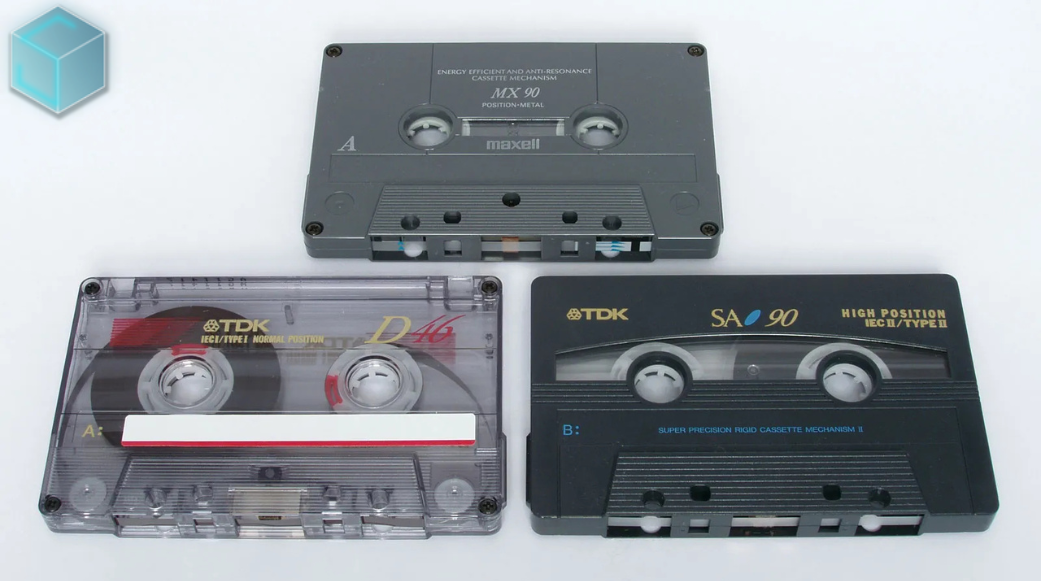
August 23, 2025
The 1980s and 1990s analog music medium known as cassette cassettes is experiencing an unanticipated comeback, with Gen Z spearheading the trend. Taylor Swift, who included cassettes in the release...
Read more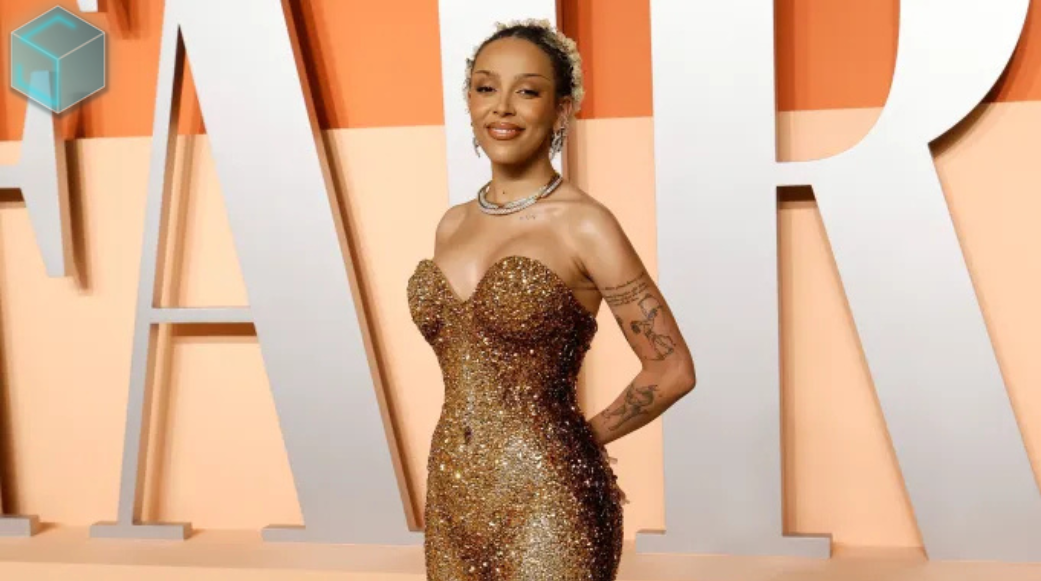
August 23, 2025
This week's most notable headline: Doja Cat's erotically charged, '80s-inspired music video, "Jealous Type," is dominating social media feeds and cultural discourse, marking her most daring...
Read more.png)
Photo credit: Prince Williams/Wireimage
Artificial Intelligence (aka AI) is not a new thing. It has been used for various purposes like social media algorithms and Siri on your phone. However, for the first time, AI is being used in creative industries, including the music industry.
The latest example of AI in music is the song “Heart on My Sleeve.” What was originally believed to be a song sung by Drake and the Weeknd turned out to be an AI imitation of the artists’ voices.
The anonymous poster uploaded the song to various streaming platforms and marketed it as if it was a real song. As such, the song got millions of plays across these platforms before being taken down by Universal Music Group (Drake and the Weeknd’s record label) due to intellectual property violations.
Although “Heart on My Sleeve” is no more, its very existence raises the question of how advancements in AI technology will affect the music industry as a whole.
Before we can get into that, you need to know how this type of AI works.
In the case of music, generative AI technology is the main type used. This AI analyzes the data provided to it to generate its own version. Data can include but is not limited to, images, text, or audio. For AI-generated music, the AI analyzes various clips of an artist’s voice and creates songs that contain a voice similar to the artist.
Now that that’s out of the way, how is AI affecting the music industry? Like many forms of technology, AI can be helpful or harmful depending on how it's used.
For example, AI could threaten the rights of artists to their music. We know that artists own their musical compositions and recordings, but what about the sound of their voices? It seems obvious that something so unique to each person is automatically protected; however, this is merely an assumption.
If AI needs already-existing voices to function, then it enters into that confusing territory surrounding artists’ rights to their voices. What are these rights?

.png)
Photo credit: Jay Vollmar/The Washington Post
First, artists should have the right to choose whether their voices can be used by these AIs. With how easy to access and widespread music is nowadays, it's easy for people to circumvent asking the artist for permission.
Second, artists should have the right to receive compensation for the use of their voices. This can be difficult if people are using the artist’s voice without permission. Given how quickly AI can create imitation songs, it would be hard to track down each and every song that uses their voice.
Not only are artists’ rights potentially threatened, but AI creates more competition for working musicians. All those musicians that create everything from commercial jingles to film scores suddenly have to compete with royalty-free music generators. In an already competitive market, AI’s introduction could greatly affect these musicians’ livelihoods.
Another less obvious problem is AI increases race issues within the music industry. One of the biggest testing grounds for AI is rap music. Given that rap is known to be mainly made by Black people, AI introduces a new power dynamic. Lauren Chanel, a writer on tech and culture, explains it well:
“It’s another way for people who are not Black to put on the costume of a Black person — to put their hands up Kanye or Drake and make him a puppet — and that is alarming to me. This is just another example in a long line of people underestimating what it takes to create the type of art that, historically, Black people make.”
With all these potential problems in mind, are there any pros to AI in music? Of course!
If it’s gone about the right way, AI introduces many creative possibilities into the industry. An artist is generally limited to what they or people around them can come up with for their music. With AI, anyone around the world can use their voice and music in ways that the original artist may never have thought of.
However, the only way these possibilities will be ethical is if the artist themselves gives permission. If you want AI to be taken seriously in the music industry, consent from artists is the key.
If you’d like to read an in-depth article on “Heart on My Sleeve,” check out the New York Times article here.

Photo credit: Dala Malaya/Witech


