.png)
March 25, 2026
At this year’s Grammys, Justin Bieber stepped onto the stage in a way no one expected. There were no elaborate visuals, no heavy styling, no spectacle. Just boxers, socks, a mirror placed in front...
Read more.png)
March 25, 2026
Not long ago, the idea of a computer creating an entire song felt like science fiction. Now it’s becoming surprisingly common. With tools like Suno and Udio, AI-generated music is being uploaded to...
Read more.png)
March 25, 2026
Open Spotify’s Top 50 and you’ll notice something subtle but consistent: songs are getting shorter. Two minutes and thirty seconds is no longer unusual. Some tracks barely cross the two-minute mark...
Read more.png)
March 2, 2026
Sabrina Carpenter’s Short n’ Sweet era shows how banjo and other country sounds can live comfortably inside glossy pop production. Her tracks mix bright acoustic textures with punchy drums, synths...
Read more.png)
March 2, 2026
Over the last few years, phonk has exploded from underground SoundCloud mixes into mainstream playlists and TikTok trends. You’ve probably heard its gritty, nostalgic energy like the dark bass...
Read more.png)
March 2, 2026
Not long ago, songs were built slowly. An instrumental intro would set the mood, a verse would ease listeners in, and the chorus arrived later as the reward. Today, that structure is quietly...
Read more.png)
March 2, 2026
Bad Bunny’s 2026 Super Bowl show didn’t just break viewing records—it confirmed that the “global sound” (Latin music, Afrobeats, Amapiano, Afro-fusion) is now the center of pop culture, not a side...
Read more.png)
March 2, 2026
If you’ve been mixing music for a while, you’ve probably heard about Spotify’s big update: lossless streaming is finally here. That means Premium users can now listen to songs in full-quality FLAC...
Read more
October 23, 2025
Discover how Mix Master strengthens your brain just like an instrument - training focus, creativity, and emotional intelligence through the science of sound.
Read more.png)
September 8, 2025
Tools like Suno are now powerful enough to generate melodies, lyrics, and even full songs in seconds. That’s exciting—and controversial. Just ask Timbaland. Recently, he came under fire..
Read more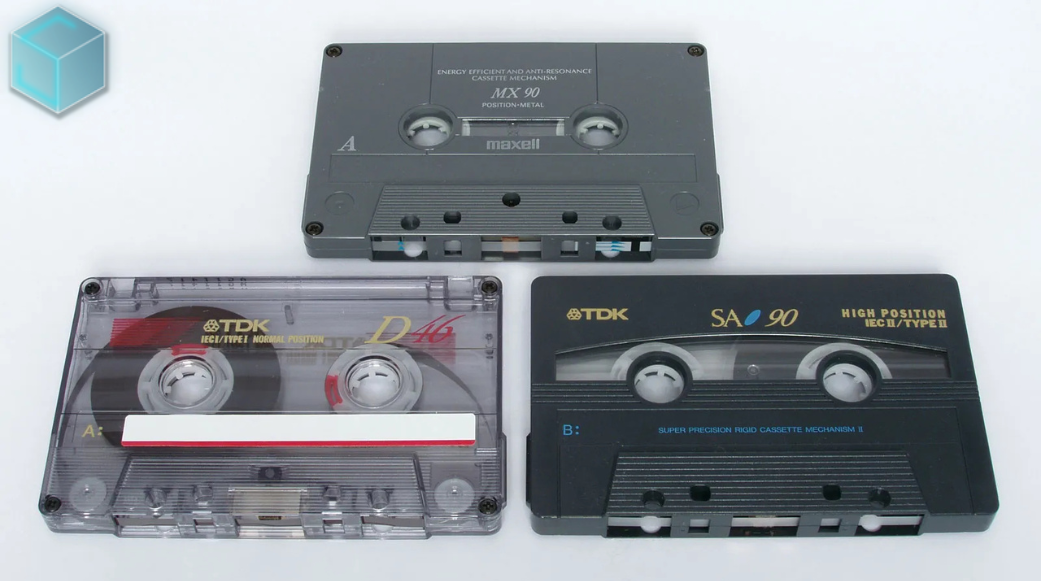
August 23, 2025
The 1980s and 1990s analog music medium known as cassette cassettes is experiencing an unanticipated comeback, with Gen Z spearheading the trend. Taylor Swift, who included cassettes in the release...
Read more
August 23, 2025
This week's most notable headline: Doja Cat's erotically charged, '80s-inspired music video, "Jealous Type," is dominating social media feeds and cultural discourse, marking her most daring...
Read more
Photo: Spencer Davis / Unsplash
For the last two years, there has been something missing in the lives of music lovers around the world—live music. The advent of a global pandemic meant the absence of concerts, festivals, and all other manners of live performances, which previously accounted for over 50% of music industry revenue worldwide.
Now, in the current—and hopefully post-pandemic—reality, the industry faces a new question. Will live music return to the way it once was, or has the pandemic changed it in some tangible way?
On the surface, it seems like concerts have bounced back as big names in music resume their long-awaited tours in larger venues.
“Live music is back and bigger than ever,” Michael Hann wrote for the Guardian back in February 2022, but the industry remains “horribly uncertain.” Restrictions have left some artists and show crew members expressing frustration with the concert experience.
Matt Cox, a keyboard technician interviewed in the aforementioned Guardian article, says that “there’s a more corporate feel to [concerts] now, with so many rules and regulations. It’s taken some of the gloss off it, made it a bit more nine to five.”
For other crew members, the unpredictability directly impacts their livelihoods—the persistent possibility of tour cancellations means constantly looking for back-up plans to counteract income instability.
The same goes for live music venues, which were hit particularly hard by COVID-19 regulations. Even before the pandemic, the live music venue sector was already facing tight profit margins. In some cases, venues did not survive the loss of income associated with pandemic restrictions; in cases they did, staffing shortages and rising costs have contributed to a variety of challenges, from delays to poor experience.
Audiences have also noticed some changes. In a video posted last month, YouTube creator Nicole Rafiee discussed why recent concerts have felt unpleasant, and users of the platform have cited a number of different reasons, including a “pandemic maturity gap” or lack of “concert etiquette” between pre- and post-pandemic audiences.
.png)
If this is making the live music landscape feel somewhat bleak, know that it isn’t all bad news.
While the pandemic has been particularly difficult on new artists looking for platforms and opportunities, a desire among audiences for more intimate venues and interactive live music experiences might prove to be a factor driving them towards smaller, local shows by up-and-coming artists.
“The silver lining of the pandemic is people kind of realize how much they miss this, this community that we’ve called live music and how much it means to them and their lives,” said Mo Tarmohamed, owner of a small music venue, in an interview with BCIT News. With the support of the community, the industry is slowly but surely bouncing back.


