.png)
March 25, 2026
At this year’s Grammys, Justin Bieber stepped onto the stage in a way no one expected. There were no elaborate visuals, no heavy styling, no spectacle. Just boxers, socks, a mirror placed in front...
Read more.png)
March 25, 2026
Not long ago, the idea of a computer creating an entire song felt like science fiction. Now it’s becoming surprisingly common. With tools like Suno and Udio, AI-generated music is being uploaded to...
Read more.png)
March 25, 2026
Open Spotify’s Top 50 and you’ll notice something subtle but consistent: songs are getting shorter. Two minutes and thirty seconds is no longer unusual. Some tracks barely cross the two-minute mark...
Read more.png)
March 2, 2026
Sabrina Carpenter’s Short n’ Sweet era shows how banjo and other country sounds can live comfortably inside glossy pop production. Her tracks mix bright acoustic textures with punchy drums, synths...
Read more.png)
March 2, 2026
Over the last few years, phonk has exploded from underground SoundCloud mixes into mainstream playlists and TikTok trends. You’ve probably heard its gritty, nostalgic energy like the dark bass...
Read more.png)
March 2, 2026
Not long ago, songs were built slowly. An instrumental intro would set the mood, a verse would ease listeners in, and the chorus arrived later as the reward. Today, that structure is quietly...
Read more.png)
March 2, 2026
Bad Bunny’s 2026 Super Bowl show didn’t just break viewing records—it confirmed that the “global sound” (Latin music, Afrobeats, Amapiano, Afro-fusion) is now the center of pop culture, not a side...
Read more.png)
March 2, 2026
If you’ve been mixing music for a while, you’ve probably heard about Spotify’s big update: lossless streaming is finally here. That means Premium users can now listen to songs in full-quality FLAC...
Read more
October 23, 2025
Discover how Mix Master strengthens your brain just like an instrument - training focus, creativity, and emotional intelligence through the science of sound.
Read more.png)
September 8, 2025
Tools like Suno are now powerful enough to generate melodies, lyrics, and even full songs in seconds. That’s exciting—and controversial. Just ask Timbaland. Recently, he came under fire..
Read more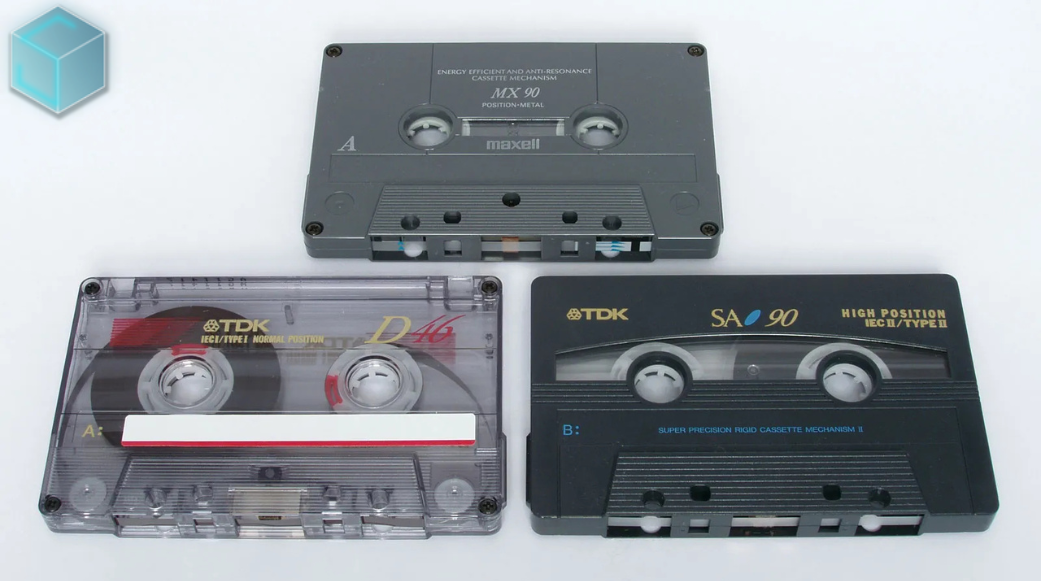
August 23, 2025
The 1980s and 1990s analog music medium known as cassette cassettes is experiencing an unanticipated comeback, with Gen Z spearheading the trend. Taylor Swift, who included cassettes in the release...
Read more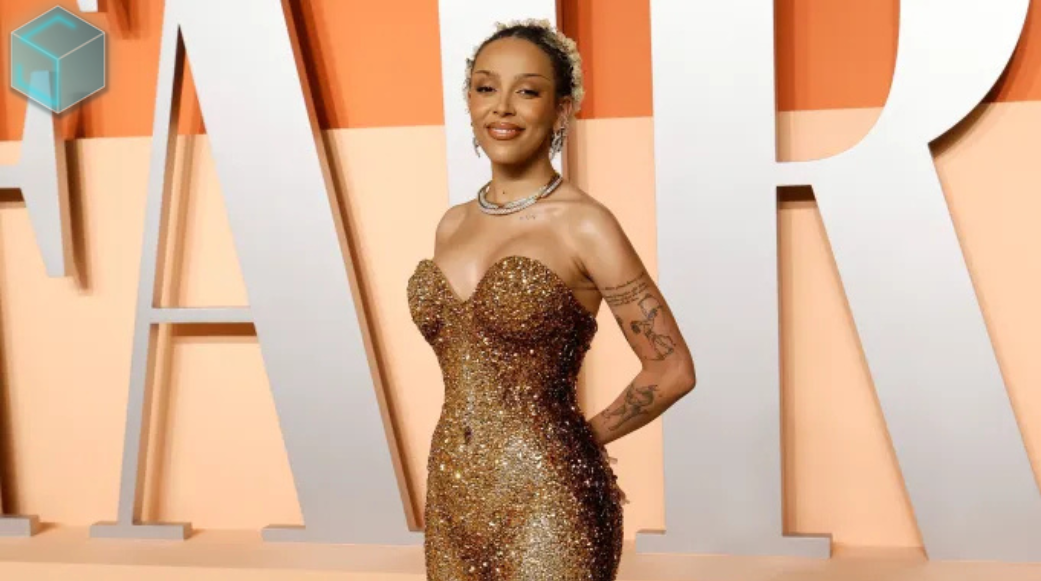
August 23, 2025
This week's most notable headline: Doja Cat's erotically charged, '80s-inspired music video, "Jealous Type," is dominating social media feeds and cultural discourse, marking her most daring...
Read more.png)
What happens when a fictional K-pop boy band outsells the real ones?
In a twist straight out of a dystopian idol fanfic, the animated groups Huntr/x and Saja Boys—created for Netflix’s explosive action film K-Pop Demon Hunters—have managed to dominate real-life music charts. Within 72 hours of the film’s release, both groups’ songs surged past millions of streams, dethroning titans like BTS, Stray Kids, and BLACKPINK on Spotify’s Global Viral 50.
And no—this isn’t a simulation. It’s 2025’s most surreal pop culture moment.
Netflix’s K-Pop Demon Hunters, a fantasy-action flick blending K-pop glamor with demon-slaying chaos, introduced the world to two fictional groups: Huntr/x, a goth-laced, EDM-heavy quintet, and Saja Boys, a more melodic, trap-meets-traditional fusion group with heavy Korean mythology influences.
Both bands were voiced by real K-pop idols and trained dancers, with music written and produced by actual Korean hitmakers (including producers tied to SM Entertainment and HYBE). The result? Tracks that didn’t just sound real—they hit harder than half the summer’s actual comebacks.
By the end of opening weekend, “Blood Moon Rises” by Huntr/x had racked up over 17 million Spotify streams. Saja Boys' breakout ballad “Eclipse Love” was trending in more than 20 countries on TikTok.
Here’s where the lines between fiction and fandom got fuzzy:
Even wilder? These groups began charting above real-life BTS solo projects and BLACKPINK’s latest comeback, igniting a frenzy across Stan Twitter, Reddit, and TikTok.
The response from the K-pop fandom was a rollercoaster of awe, confusion, and obsession.
Quotes from fan forums and social media say it all:
Skeptics called it “industry manipulation,” while others pointed out the ironic perfection: polished visuals, airtight choreography (motion-captured by top-tier dancers), and zero risk of dating scandals or military enlistment.
But for many, that was the point. Fans weren’t just enjoying the music—they were in on the joke, and loving every second of it.
The meteoric rise of Huntr/x and Saja Boys isn't just a viral moment—it’s a commentary.
In a world where K-pop idols are marketed as near-perfect, digital-age creations anyway, Netflix’s fictional bands may represent the “final evolution” of idol culture: completely controlled, controversy-free, yet emotionally real through storytelling and music. It's a marketing genius with a cyberpunk twist.
Critics are already asking: are we approaching an era where virtual idols are more sustainable—and more profitable—than real ones?
Meanwhile, fans are busy arguing about who’s hotter: Huntr/x’s brooding leader Joon, or Saja Boys’ mystical main vocalist Ryeon.
Regardless of where you stand, the Spotify success of these fictional acts is no longer a fluke—it’s history. Huntr/x and Saja Boys have cemented themselves not just as part of a film, but as real players in the K-pop machine.
It’s a crossover episode between fandom, fiction, and the future of music—and we’re all just lucky to be watching it happen live.
.png)


