.png)
March 25, 2026
At this year’s Grammys, Justin Bieber stepped onto the stage in a way no one expected. There were no elaborate visuals, no heavy styling, no spectacle. Just boxers, socks, a mirror placed in front...
Read more.png)
March 25, 2026
Not long ago, the idea of a computer creating an entire song felt like science fiction. Now it’s becoming surprisingly common. With tools like Suno and Udio, AI-generated music is being uploaded to...
Read more.png)
March 25, 2026
Open Spotify’s Top 50 and you’ll notice something subtle but consistent: songs are getting shorter. Two minutes and thirty seconds is no longer unusual. Some tracks barely cross the two-minute mark...
Read more.png)
March 2, 2026
Sabrina Carpenter’s Short n’ Sweet era shows how banjo and other country sounds can live comfortably inside glossy pop production. Her tracks mix bright acoustic textures with punchy drums, synths...
Read more.png)
March 2, 2026
Over the last few years, phonk has exploded from underground SoundCloud mixes into mainstream playlists and TikTok trends. You’ve probably heard its gritty, nostalgic energy like the dark bass...
Read more.png)
March 2, 2026
Not long ago, songs were built slowly. An instrumental intro would set the mood, a verse would ease listeners in, and the chorus arrived later as the reward. Today, that structure is quietly...
Read more.png)
March 2, 2026
Bad Bunny’s 2026 Super Bowl show didn’t just break viewing records—it confirmed that the “global sound” (Latin music, Afrobeats, Amapiano, Afro-fusion) is now the center of pop culture, not a side...
Read more.png)
March 2, 2026
If you’ve been mixing music for a while, you’ve probably heard about Spotify’s big update: lossless streaming is finally here. That means Premium users can now listen to songs in full-quality FLAC...
Read more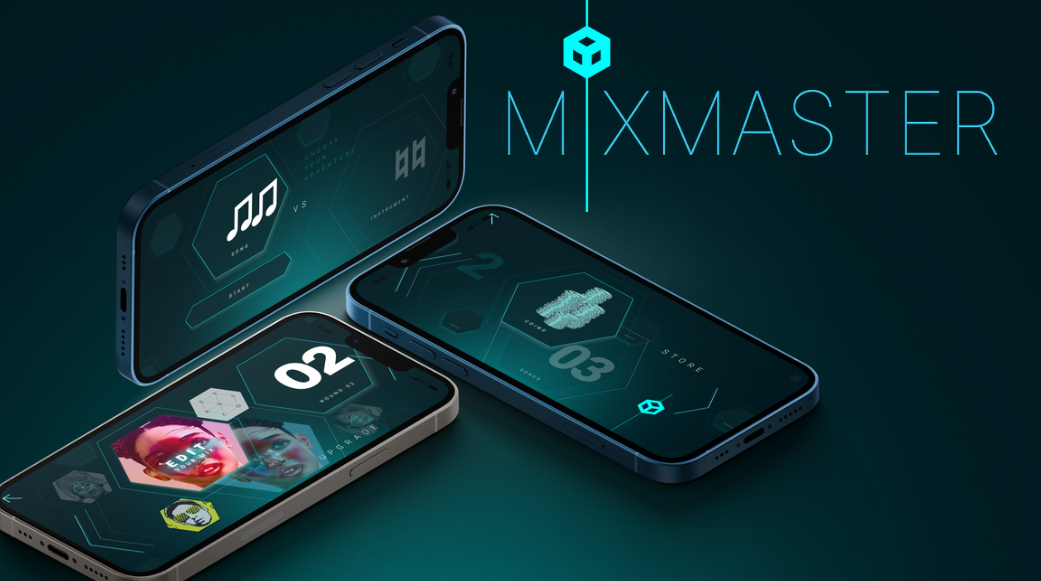
October 23, 2025
Discover how Mix Master strengthens your brain just like an instrument - training focus, creativity, and emotional intelligence through the science of sound.
Read more.png)
September 8, 2025
Tools like Suno are now powerful enough to generate melodies, lyrics, and even full songs in seconds. That’s exciting—and controversial. Just ask Timbaland. Recently, he came under fire..
Read more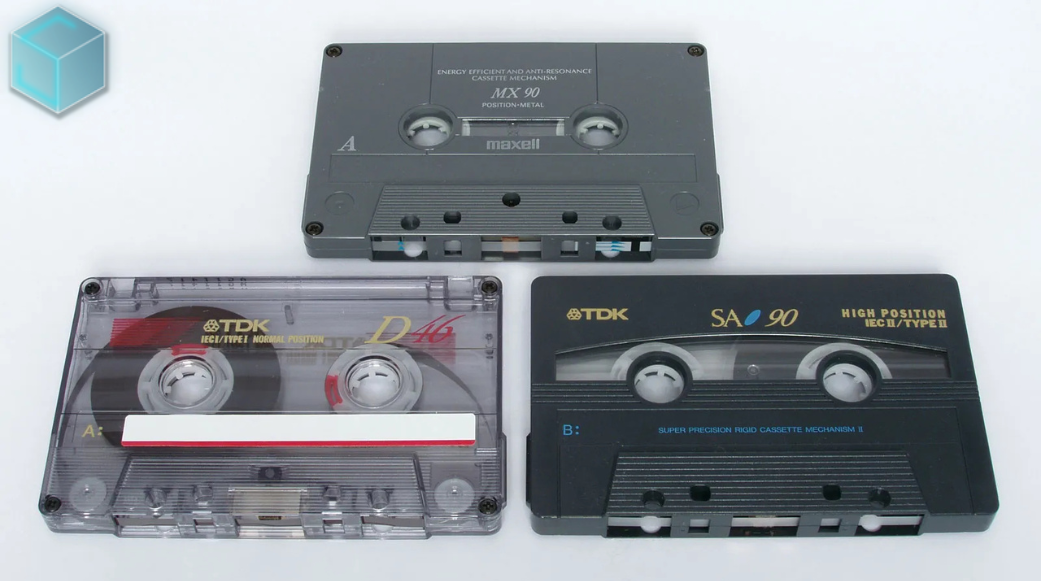
August 23, 2025
The 1980s and 1990s analog music medium known as cassette cassettes is experiencing an unanticipated comeback, with Gen Z spearheading the trend. Taylor Swift, who included cassettes in the release...
Read more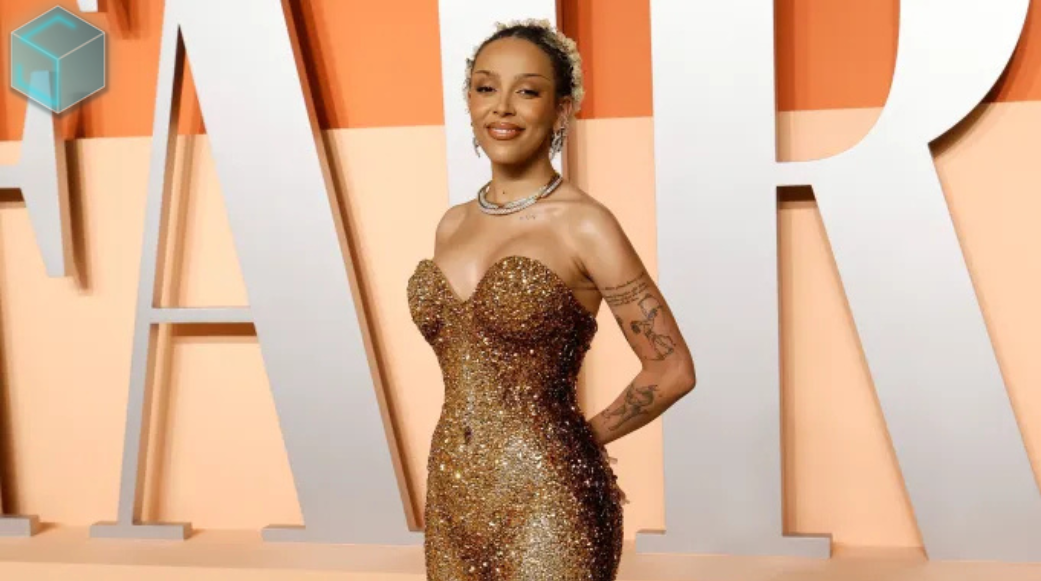
August 23, 2025
This week's most notable headline: Doja Cat's erotically charged, '80s-inspired music video, "Jealous Type," is dominating social media feeds and cultural discourse, marking her most daring...
Read more.png)
Few artists in the modern music industry have managed to stay as relevant and influential as Kanye West. Since the release of his debut album, The College Dropout, in 2004, Kanye has continuously reinvented his sound and challenged the norms of hip-hop and popular culture. His journey has been marked by a relentless pursuit of artistic innovation, cultural commentary, and boundary-pushing production. Here's a look at how Kanye's music has evolved over the years and why his work remains at the forefront of music discussions.
Kanye West’s The College Dropout marked the emergence of a new voice in hip-hop—a refreshing, conscious alternative to the hardcore rap that dominated the early 2000s. His lyrics were deeply introspective, covering topics like family, self-consciousness, and the struggles of a young black man in America. The album introduced us to Kanye's signature soulful sound, with tracks like "Jesus Walks" and "Through the Wire" blending gospel influences with modern hip-hop beats.
Late Registration (2005) and Graduation (2007) continued the narrative, with Kanye building on his unique approach. Late Registration featured lush, orchestral production, and collaborations with composer Jon Brion, while Graduation embraced a more electronic, stadium-ready feel, setting the stage for his future experimentation. During this era, songs like "Gold Digger" and "Stronger" became anthems, propelling Kanye into mainstream superstardom.
Kanye's next major shift came with 808s & Heartbreak (2008), an album that was deeply personal and sonically revolutionary. Inspired by personal loss and heartbreak, Kanye traded his traditional rap delivery for autotuned singing and minimalist, melancholic beats. The album explored themes of vulnerability, isolation, and loss—topics not typically associated with hip-hop at the time.
The impact of 808s & Heartbreak was immense, paving the way for future artists like Drake, Kid Cudi, and The Weeknd to embrace a more emotional, introspective style. It remains one of Kanye's most influential works, proving that hip-hop could be a space for deep emotional expression.
In 2010, Kanye released what many consider his magnum opus, My Beautiful Dark Twisted Fantasy. The album was a grand, genre-blending experience, featuring a wide range of collaborators, from Bon Iver to Nicki Minaj. It was a reflection of Kanye’s complex persona—brilliant yet flawed—and addressed themes of fame, power, and inner turmoil.
Tracks like "Runaway," "Power," and "All of the Lights" showcased his unmatched production skills and lyrical vulnerability. The album was a critical success, solidifying Kanye’s place in music history and proving that he was capable of transcending the traditional boundaries of hip-hop.
By 2013, Kanye was ready to take another creative risk with Yeezus. The album was abrasive and raw, with minimalist production, industrial sounds, and confrontational lyrics. Songs like "Black Skinhead" and "New Slaves" were politically charged, addressing themes of racism, consumerism, and societal control. Kanye’s bold experimentation polarized listeners, but it cemented his reputation as a true innovator.
The Life of Pablo (2016) was yet another reinvention. It was messy and chaotic but also undeniably innovative. The album explored spirituality, love, and Kanye’s own flaws in a way that felt fragmented yet authentic. With its evolving tracklist and Kanye’s decision to continuously update the album post-release, The Life of Pablo redefined the concept of a music album in the streaming era.
Kanye’s later works, including Ye (2018) and Jesus Is King (2019), reflected a more introspective and spiritual side of the artist. Ye was a short yet impactful project that delved into Kanye's mental health struggles, while Jesus Is King marked his full embrace of gospel music. Both albums revealed Kanye’s vulnerability and his ever-evolving quest for personal and artistic redemption.
Donda (2021), named after his late mother, was an ambitious project that brought together a diverse range of sounds and artists. It served as both a tribute to his mother and a reflection of his complex identity. The album's rollout was as theatrical as ever, with live listening events that showcased Kanye's flair for the dramatic and his ability to command attention.
Kanye West's influence on music and culture is undeniable. His willingness to take risks and push the boundaries of sound has inspired countless artists across genres. He has shaped the way music is produced, consumed, and even performed. From his soulful, sample-heavy beginnings to his genre-defying experimentation, Kanye has left an indelible mark on the music world.
Beyond the music, Kanye has sparked important cultural conversations, whether about race, fame, mental health, or the role of religion in contemporary society. His impact is a testament to the power of art to provoke thought and inspire change.
Love him or hate him, Kanye West’s musical journey is one of constant reinvention and fearless experimentation. As fans and critics alike continue to dissect and debate his work, one thing is certain: Kanye West will remain a pivotal figure in music for years to come. Whether he’s embracing new sounds or revisiting old ones, his ability to innovate and challenge expectations keeps us all listening—and wondering what he’ll do next.
.png)


