.png)
March 25, 2026
At this year’s Grammys, Justin Bieber stepped onto the stage in a way no one expected. There were no elaborate visuals, no heavy styling, no spectacle. Just boxers, socks, a mirror placed in front...
Read more.png)
March 25, 2026
Not long ago, the idea of a computer creating an entire song felt like science fiction. Now it’s becoming surprisingly common. With tools like Suno and Udio, AI-generated music is being uploaded to...
Read more.png)
March 25, 2026
Open Spotify’s Top 50 and you’ll notice something subtle but consistent: songs are getting shorter. Two minutes and thirty seconds is no longer unusual. Some tracks barely cross the two-minute mark...
Read more.png)
March 2, 2026
Sabrina Carpenter’s Short n’ Sweet era shows how banjo and other country sounds can live comfortably inside glossy pop production. Her tracks mix bright acoustic textures with punchy drums, synths...
Read more.png)
March 2, 2026
Over the last few years, phonk has exploded from underground SoundCloud mixes into mainstream playlists and TikTok trends. You’ve probably heard its gritty, nostalgic energy like the dark bass...
Read more.png)
March 2, 2026
Not long ago, songs were built slowly. An instrumental intro would set the mood, a verse would ease listeners in, and the chorus arrived later as the reward. Today, that structure is quietly...
Read more.png)
March 2, 2026
Bad Bunny’s 2026 Super Bowl show didn’t just break viewing records—it confirmed that the “global sound” (Latin music, Afrobeats, Amapiano, Afro-fusion) is now the center of pop culture, not a side...
Read more.png)
March 2, 2026
If you’ve been mixing music for a while, you’ve probably heard about Spotify’s big update: lossless streaming is finally here. That means Premium users can now listen to songs in full-quality FLAC...
Read more
October 23, 2025
Discover how Mix Master strengthens your brain just like an instrument - training focus, creativity, and emotional intelligence through the science of sound.
Read more.png)
September 8, 2025
Tools like Suno are now powerful enough to generate melodies, lyrics, and even full songs in seconds. That’s exciting—and controversial. Just ask Timbaland. Recently, he came under fire..
Read more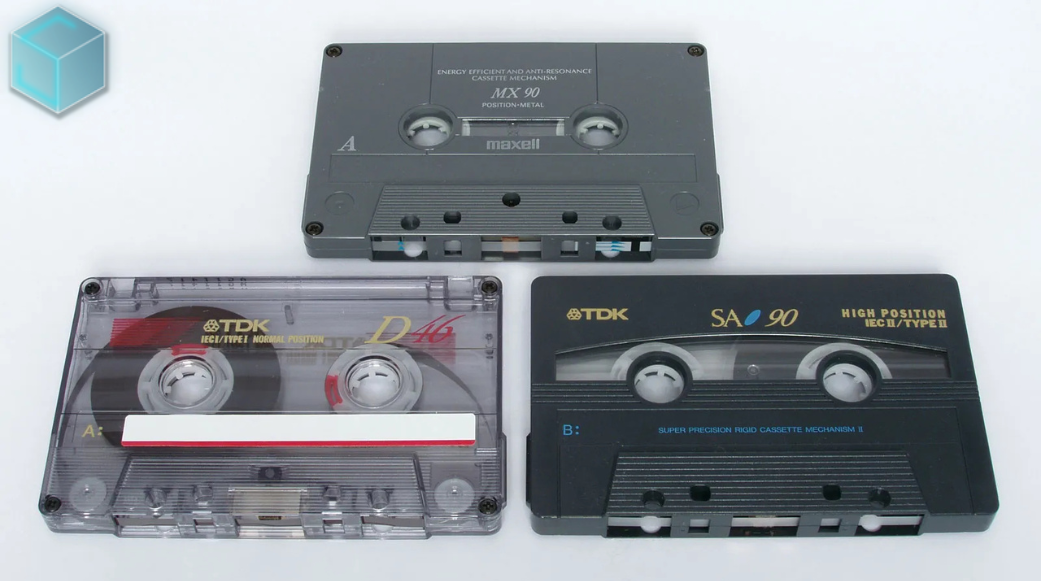
August 23, 2025
The 1980s and 1990s analog music medium known as cassette cassettes is experiencing an unanticipated comeback, with Gen Z spearheading the trend. Taylor Swift, who included cassettes in the release...
Read more
August 23, 2025
This week's most notable headline: Doja Cat's erotically charged, '80s-inspired music video, "Jealous Type," is dominating social media feeds and cultural discourse, marking her most daring...
Read more.png)
When upgrading your CPU for music production, whether you're composing orchestral scores, producing electronic music, or working with intricate multi-track projects, selecting the right processor is crucial for smooth workflow and minimizing latency. With the increasing demands of virtual instruments, synthesizers, and plugins, you’ll need a CPU that balances single-core and multi-core performance while maintaining efficiency.
Here’s what you should consider:
Most Digital Audio Workstations (DAWs) are still largely single-core reliant, especially for real-time tasks like audio playback and plugin processing. However, modern DAWs are becoming more optimized for multi-core performance, which is beneficial for larger projects with multiple tracks and plugins.
Your genre and workflow play a big role in deciding what CPU to go for:
Here’s a look at some of the best CPUs for different types of music production, based on balancing both single-core and multi-core performance:
High-performance CPUs, especially multi-core processors like the Ryzen 9 series, tend to run hot. Investing in good cooling solutions (like liquid cooling or high-quality air coolers) will ensure that your CPU performs optimally without throttling due to heat.
If you’re thinking about the long-term, investing in a higher-tier CPU might be worth it. Multi-core optimization is becoming more prevalent in DAWs, so even if your current projects don’t require tons of cores, future updates might take full advantage of this.
Choosing the best CPU for music production depends on your specific workflow, the type of music you produce, and your budget. If you're focused on real-time performance and live recording, prioritize strong single-core performance. For larger, more complex projects with numerous plugins or sample libraries, opt for a CPU with robust multi-core performance. Ultimately, balancing these factors will give you a powerful and smooth production experience for years to come.
.png)


