.png)
March 25, 2026
At this year’s Grammys, Justin Bieber stepped onto the stage in a way no one expected. There were no elaborate visuals, no heavy styling, no spectacle. Just boxers, socks, a mirror placed in front...
Read more.png)
March 25, 2026
Not long ago, the idea of a computer creating an entire song felt like science fiction. Now it’s becoming surprisingly common. With tools like Suno and Udio, AI-generated music is being uploaded to...
Read more.png)
March 25, 2026
Open Spotify’s Top 50 and you’ll notice something subtle but consistent: songs are getting shorter. Two minutes and thirty seconds is no longer unusual. Some tracks barely cross the two-minute mark...
Read more.png)
March 2, 2026
Sabrina Carpenter’s Short n’ Sweet era shows how banjo and other country sounds can live comfortably inside glossy pop production. Her tracks mix bright acoustic textures with punchy drums, synths...
Read more.png)
March 2, 2026
Over the last few years, phonk has exploded from underground SoundCloud mixes into mainstream playlists and TikTok trends. You’ve probably heard its gritty, nostalgic energy like the dark bass...
Read more.png)
March 2, 2026
Not long ago, songs were built slowly. An instrumental intro would set the mood, a verse would ease listeners in, and the chorus arrived later as the reward. Today, that structure is quietly...
Read more.png)
March 2, 2026
Bad Bunny’s 2026 Super Bowl show didn’t just break viewing records—it confirmed that the “global sound” (Latin music, Afrobeats, Amapiano, Afro-fusion) is now the center of pop culture, not a side...
Read more.png)
March 2, 2026
If you’ve been mixing music for a while, you’ve probably heard about Spotify’s big update: lossless streaming is finally here. That means Premium users can now listen to songs in full-quality FLAC...
Read more
October 23, 2025
Discover how Mix Master strengthens your brain just like an instrument - training focus, creativity, and emotional intelligence through the science of sound.
Read more.png)
September 8, 2025
Tools like Suno are now powerful enough to generate melodies, lyrics, and even full songs in seconds. That’s exciting—and controversial. Just ask Timbaland. Recently, he came under fire..
Read more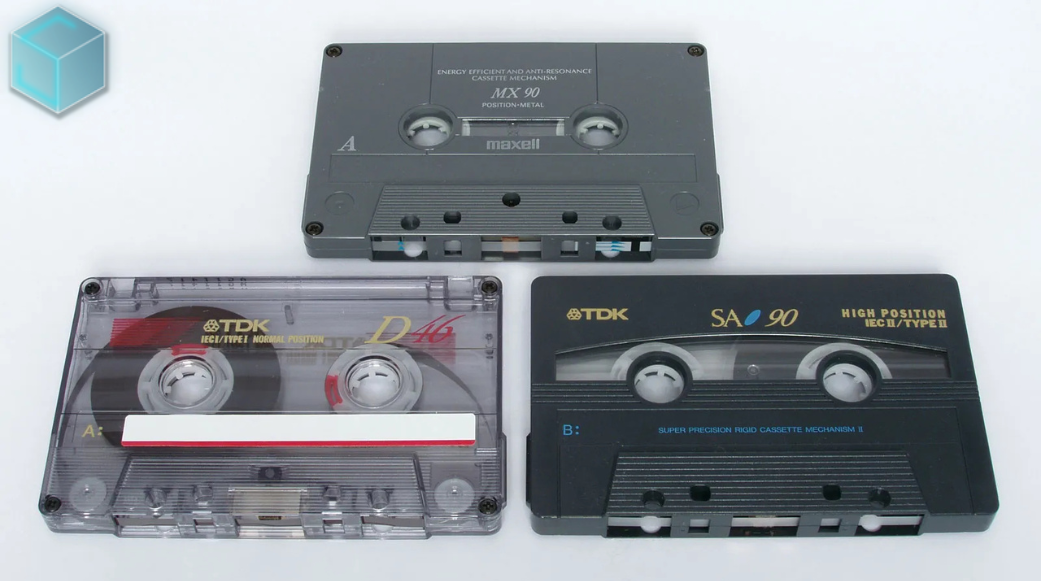
August 23, 2025
The 1980s and 1990s analog music medium known as cassette cassettes is experiencing an unanticipated comeback, with Gen Z spearheading the trend. Taylor Swift, who included cassettes in the release...
Read more
August 23, 2025
This week's most notable headline: Doja Cat's erotically charged, '80s-inspired music video, "Jealous Type," is dominating social media feeds and cultural discourse, marking her most daring...
Read more.png)
This is a predicament that many songwriters encounter: You're thrilled with the direction your song is headed, the melody feels great, and you've nailed the first verse and chorus. But then you reach the second verse, the terrible wall. You seem to lose the first spark of inspiration and are left staring blankly at the paper, not knowing what to write next.
You're not alone if this sounds familiar to you! The "second verse curse" has affected even some of the best songwriters. Fortunately, there are tried-and-true methods to support you in maintaining your creative momentum. Let's examine some useful advice and see how well-known musicians have handled this exact situation.
1. Expand the Narrative
Consider your song to be a narrative. Your second verse should either expand on the first stanza's introduction of the scenario, character, or emotion, or offer an alternative viewpoint. Think about asking yourself questions such as "How does the situation change?" or "What happens next?" This might give your lyrics a logical progression.
Paul McCartney, for instance, frequently used this method. The narrator addresses Jude in the first verse of The Beatles' song "Hey Jude," which sets the situation. The second verse elaborates on the counsel and emotion. McCartney draws the listener in even more by giving the narrative more depth and specificity.
2. Present Contrast
Adding contrast or a twist in the second verse is an alternative strategy. This can entail investigating an alternative feeling, viewpoint, or environment. A dynamic change can add complexity to the song and keep the audience interested.
Taylor Swift, for instance, is renowned for employing this method. In "You Belong with Me," the second verse reinforces the song's main topic of unrequited love by contrasting the first verse's reflective, daydreaming tone with a more vivid picture of the girl who has it all—the "cheer captain" against the "bleachers."
3. Modify Your Perspective
If you're having trouble continuing, think about switching the second verse's point of view. Try writing the second stanza from the viewpoint of a different character if the first verse is written from your perspective. This can give your song more depth and intricacy and inspire fresh lyrical concepts.
For instance, Bob Dylan alternates between multiple points of view and historical periods in "Tangled Up in Blue," which keeps the listener interested and the plot moving.
4. Employ a Theme or Motif
To maintain a sense of continuity and advance the story, include a reference to a word, sentence, or motif from the first stanza in your second. This permits fresh experimentation and variation while also serving to bring your song together.
For instance, the second stanza of Adele's song "Someone Like You" returns to the themes of longing and loss from the first verse, but with a focus on acceptance and closure. The song's emotional effect is maintained by this recurring motif.
5. Try Different Melodic Variations
If you're having trouble understanding the lyrics, consider switching up the music in the second verse. Occasionally, a minor modification in the melody might elicit fresh lyrical concepts. Your music can be given new life by making a small alteration to a melodic line, which will keep it interesting and engaging for both you and the listener.
Example: Michael Jackson's "Billie Jean" has a melody that varies subtly throughout the song, which keeps the listener interested and makes the music dynamic without ever seeming the same.
6. Make Use of Emotion or Personal Experience
When you're at a loss for inspiration, consider your own feelings or experiences. Consider what first motivated you to begin creating the song. Go back to the feelings or anecdotes that inspired the original concept. To come up with fresh lyrical material, try free writing activities or recording voice memos of yourself discussing those feelings.
For instance, Amy Winehouse's song "Back to Black" prominently references her own turbulent relationships; the song's emotional power is further enhanced by the second verse, which also references genuine, personal sorrow.
7. Accept the "Messy" Procedure
Recall that the second verse does not need to be flawless the first time around. Give yourself permission to compose a "placeholder" second stanza; it may not be perfect, but it maintains the flow. Later on, you may always go back and improve it.
John Lennon, for instance, frequently penned "nonsense" lyrics or placeholders to maintain the creative flow. Songs like "I Am the Walrus" demonstrate how tinkering with words and ideas can occasionally result in discoveries that are surprising and imaginative.
8. Work Together with Others
Sometimes the second-verse obstacle can be surmounted with the aid of new eyes or ears. Get feedback from other songwriters or even share your music with a buddy or partner. They might present an angle or suggestion that you hadn't thought of.
For instance, Elton John and Bernie Taupin are well-known for their collaborative songwriting. Elton creates the music, and Bernie writes the words. Their partnership produced classic singles including "Your Song" and "Rocket Man." Having a creative partner can help you avoid stagnation and lead to breakthroughs.
Last Words
It's not impossible to go past the second verse, but it's a typical problem. These methods will help you get beyond the block and continue writing songs. Remember, this is a struggle that even the greatest songwriters have encountered; it's all a part of the creative process. Thus, persist with your writing, practise self-compassion, and enjoy the journey!
.png)


