.png)
March 25, 2026
At this year’s Grammys, Justin Bieber stepped onto the stage in a way no one expected. There were no elaborate visuals, no heavy styling, no spectacle. Just boxers, socks, a mirror placed in front...
Read more.png)
March 25, 2026
Not long ago, the idea of a computer creating an entire song felt like science fiction. Now it’s becoming surprisingly common. With tools like Suno and Udio, AI-generated music is being uploaded to...
Read more.png)
March 25, 2026
Open Spotify’s Top 50 and you’ll notice something subtle but consistent: songs are getting shorter. Two minutes and thirty seconds is no longer unusual. Some tracks barely cross the two-minute mark...
Read more.png)
March 2, 2026
Sabrina Carpenter’s Short n’ Sweet era shows how banjo and other country sounds can live comfortably inside glossy pop production. Her tracks mix bright acoustic textures with punchy drums, synths...
Read more.png)
March 2, 2026
Over the last few years, phonk has exploded from underground SoundCloud mixes into mainstream playlists and TikTok trends. You’ve probably heard its gritty, nostalgic energy like the dark bass...
Read more.png)
March 2, 2026
Not long ago, songs were built slowly. An instrumental intro would set the mood, a verse would ease listeners in, and the chorus arrived later as the reward. Today, that structure is quietly...
Read more.png)
March 2, 2026
Bad Bunny’s 2026 Super Bowl show didn’t just break viewing records—it confirmed that the “global sound” (Latin music, Afrobeats, Amapiano, Afro-fusion) is now the center of pop culture, not a side...
Read more.png)
March 2, 2026
If you’ve been mixing music for a while, you’ve probably heard about Spotify’s big update: lossless streaming is finally here. That means Premium users can now listen to songs in full-quality FLAC...
Read more
October 23, 2025
Discover how Mix Master strengthens your brain just like an instrument - training focus, creativity, and emotional intelligence through the science of sound.
Read more.png)
September 8, 2025
Tools like Suno are now powerful enough to generate melodies, lyrics, and even full songs in seconds. That’s exciting—and controversial. Just ask Timbaland. Recently, he came under fire..
Read more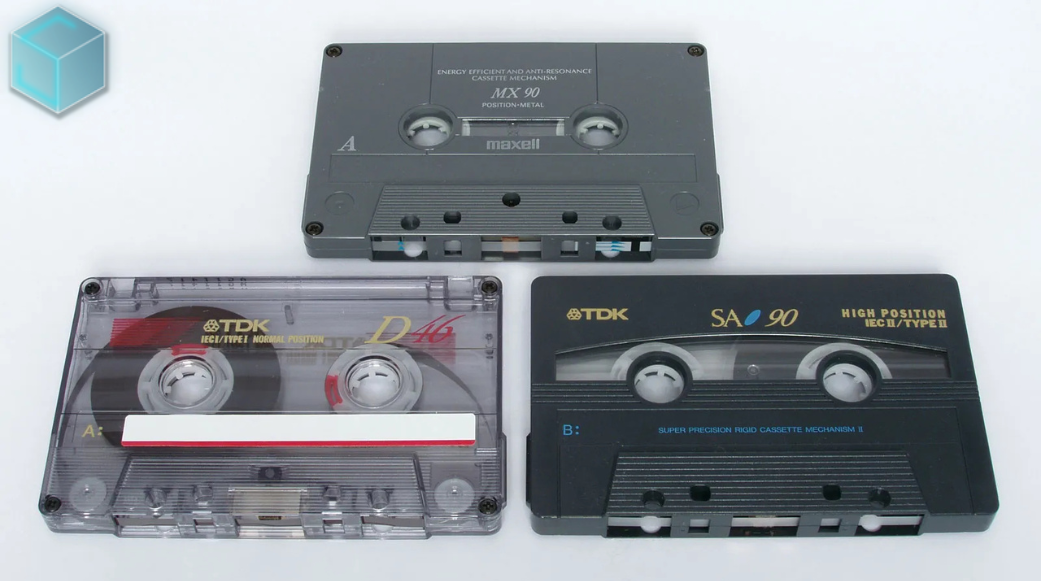
August 23, 2025
The 1980s and 1990s analog music medium known as cassette cassettes is experiencing an unanticipated comeback, with Gen Z spearheading the trend. Taylor Swift, who included cassettes in the release...
Read more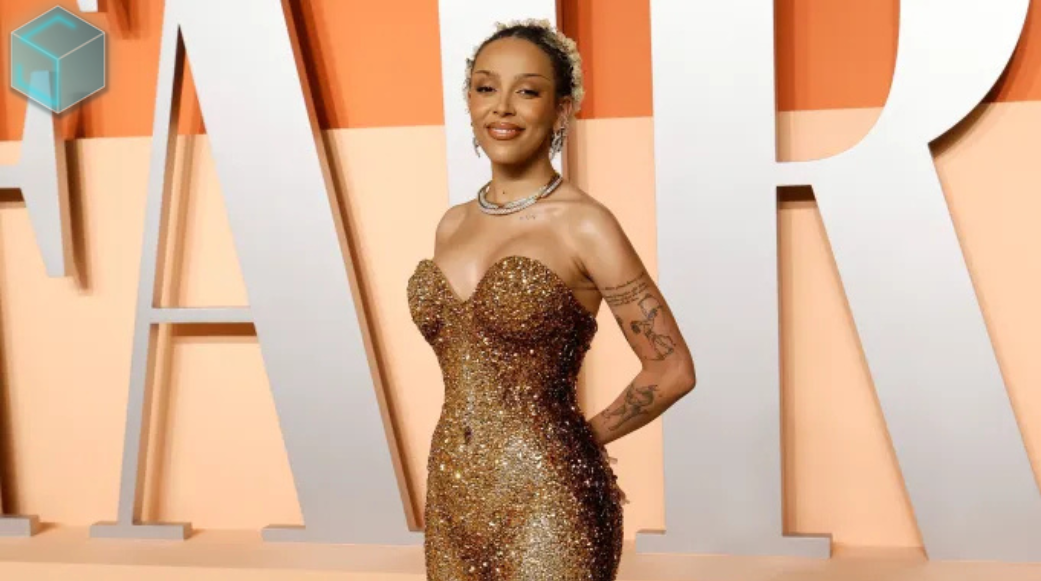
August 23, 2025
This week's most notable headline: Doja Cat's erotically charged, '80s-inspired music video, "Jealous Type," is dominating social media feeds and cultural discourse, marking her most daring...
Read more
In 2018, Ariana Grande was the sole female artist to top the Billboard Hot 100 as a solo act with her hit *“thank u, next.”* While Beyoncé, Camila Cabello, and Cardi B also reached No. 1 that year, their chart-topping singles featured collaborations with male artists who dominated airwaves and streaming platforms. This male-heavy presence on the charts highlighted a broader trend: the waning dominance of traditional pop, which was giving way to the pop-rap fusion of artists like Drake and Post Malone.
Despite this shift, Grande emerged as a torchbearer for a new era of pop, bringing the genre back into the spotlight with her groundbreaking albums *Sweetener* and *thank u, next.*
The Rise of an “It Girl” in Pop
The past decade has seen a significant evolution in pop music. Female-driven pop once ruled the airwaves with icons like Madonna, Whitney Houston, Janet Jackson, and Mariah Carey defining an era. Yet, as mainstream music shifted toward R&B and hip-hop influences, cries about the decline of classic pop grew louder.
Enter Ariana Grande, whose ability to blend her pop roots with contemporary trends has positioned her as the genre’s modern “It Girl.” With *Sweetener* (2018) and *thank u, next* (2019), Grande reinvigorated pop, achieving massive streaming success and record-breaking feats. She became the first artist since The Beatles in 1964 to claim the top three spots on the Billboard Hot 100 with *“7 rings,”* *“break up with your girlfriend, i’m bored,”* and *“thank u, next.”*
Her success also highlighted a shift in pop’s sound. Starting with her 2013 debut, *“The Way,”* which fused ‘90s R&B influences with modern pop sensibilities, Grande has continually evolved her sound to align with changing trends.
Making Pop More Personal
The release of *Sweetener* and *thank u, next* marked a turning point in Grande’s career. These albums showcased her growth from a teen idol into a mature artist, mirroring the trajectory of stars like Christina Aguilera and Britney Spears, who transitioned from bubblegum pop to more personal and experimental works.
Much like Aguilera’s *Stripped* and Spears’ *Blackout,* Grande’s albums weave her personal life into the music. Tracks like *“no tears left to cry”* and *“breathin”* address the aftermath of the Manchester Arena bombing in 2017, while songs such as *“R.E.M.”* and *“ghostin”* reflect on her relationship with late rapper Mac Miller. Her vulnerability in addressing topics like mental health, grief, and love connects deeply with her audience, making her music both relatable and cathartic.
Redefining Pop Stardom
Grande’s impact extends beyond her music. Her music videos, from the surreal visuals of *“no tears left to cry”* to the rom-com nostalgia of *“thank u, next,”* have become cultural moments, capturing global attention with their creativity and relatability.
Sonically, her back-to-back releases *Sweetener* and *thank u, next* showcase her versatility. From the ethereal cover of Imogen Heap’s *“goodnight n go”* to the confident, trap-infused *“7 rings,”* Grande effortlessly bridges eras and genres, echoing the chameleonic artistry of Rihanna.
What truly sets Grande apart is her unpredictability. Whether it’s surprise singles, rapid album releases, or her willingness to share her personal life, she continually reinvents the role of a pop star.
The Future of Pop
In an era where music is increasingly fragmented by niches, Ariana Grande has managed to unite audiences across generations and tastes. Her ability to blend vulnerability with artistry, while redefining what it means to be a pop star, ensures her lasting legacy in the industry.
As pop music evolves, Grande’s influence serves as a reminder that authenticity, adaptability, and emotional connection remain at the heart of the genre’s most enduring successes.
.png)


