.png)
March 25, 2026
At this year’s Grammys, Justin Bieber stepped onto the stage in a way no one expected. There were no elaborate visuals, no heavy styling, no spectacle. Just boxers, socks, a mirror placed in front...
Read more.png)
March 25, 2026
Not long ago, the idea of a computer creating an entire song felt like science fiction. Now it’s becoming surprisingly common. With tools like Suno and Udio, AI-generated music is being uploaded to...
Read more.png)
March 25, 2026
Open Spotify’s Top 50 and you’ll notice something subtle but consistent: songs are getting shorter. Two minutes and thirty seconds is no longer unusual. Some tracks barely cross the two-minute mark...
Read more.png)
March 2, 2026
Sabrina Carpenter’s Short n’ Sweet era shows how banjo and other country sounds can live comfortably inside glossy pop production. Her tracks mix bright acoustic textures with punchy drums, synths...
Read more.png)
March 2, 2026
Over the last few years, phonk has exploded from underground SoundCloud mixes into mainstream playlists and TikTok trends. You’ve probably heard its gritty, nostalgic energy like the dark bass...
Read more.png)
March 2, 2026
Not long ago, songs were built slowly. An instrumental intro would set the mood, a verse would ease listeners in, and the chorus arrived later as the reward. Today, that structure is quietly...
Read more.png)
March 2, 2026
Bad Bunny’s 2026 Super Bowl show didn’t just break viewing records—it confirmed that the “global sound” (Latin music, Afrobeats, Amapiano, Afro-fusion) is now the center of pop culture, not a side...
Read more.png)
March 2, 2026
If you’ve been mixing music for a while, you’ve probably heard about Spotify’s big update: lossless streaming is finally here. That means Premium users can now listen to songs in full-quality FLAC...
Read more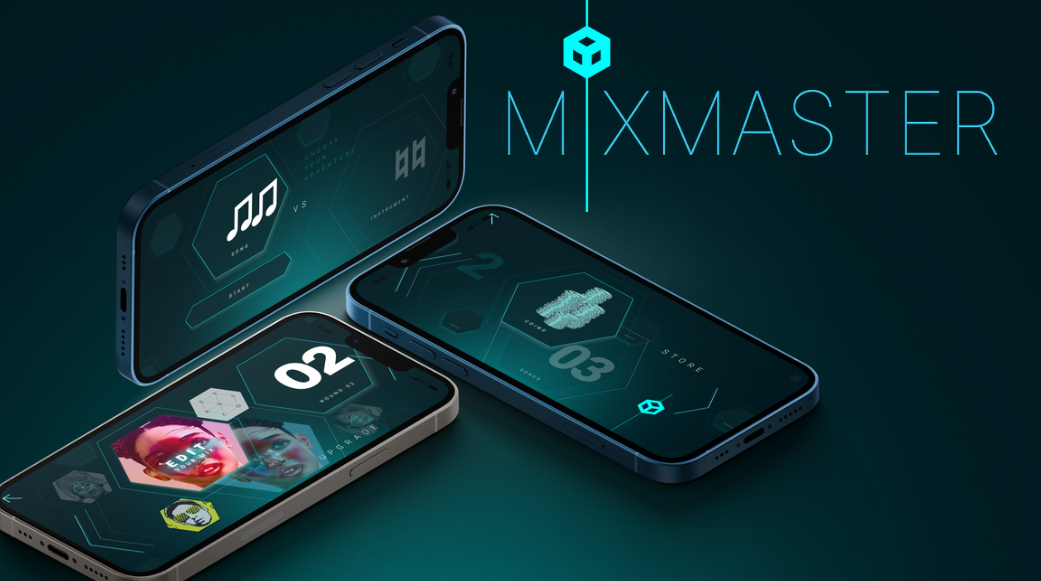
October 23, 2025
Discover how Mix Master strengthens your brain just like an instrument - training focus, creativity, and emotional intelligence through the science of sound.
Read more.png)
September 8, 2025
Tools like Suno are now powerful enough to generate melodies, lyrics, and even full songs in seconds. That’s exciting—and controversial. Just ask Timbaland. Recently, he came under fire..
Read more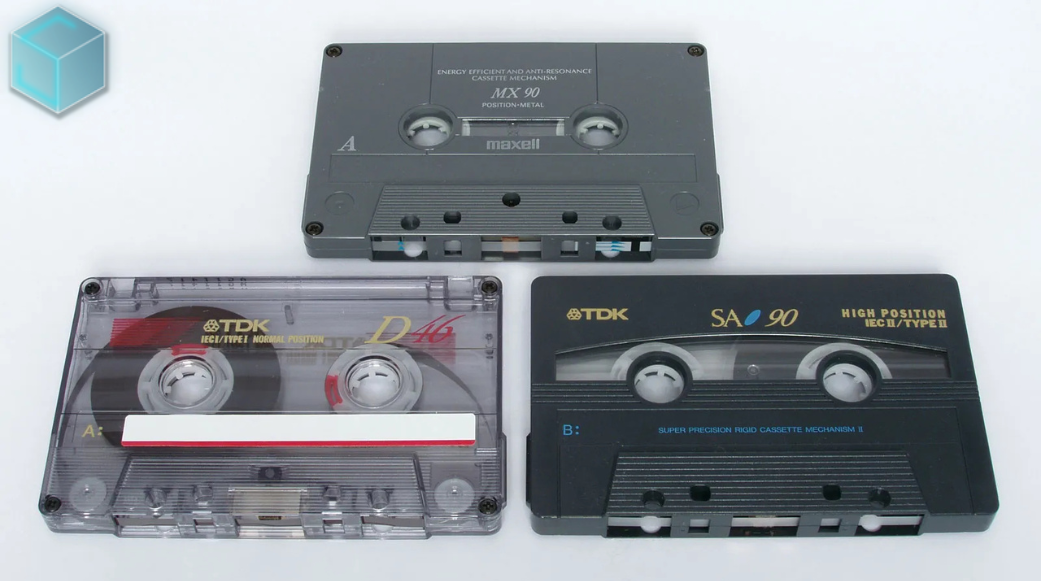
August 23, 2025
The 1980s and 1990s analog music medium known as cassette cassettes is experiencing an unanticipated comeback, with Gen Z spearheading the trend. Taylor Swift, who included cassettes in the release...
Read more
August 23, 2025
This week's most notable headline: Doja Cat's erotically charged, '80s-inspired music video, "Jealous Type," is dominating social media feeds and cultural discourse, marking her most daring...
Read more
Photo Source: China Daily
Virtual reality and the metaverse have become popular topics in the music industry where more and more technology and music have been combined, creating something that could revolutionize the entire industry - albeit with many controversies though.
In this blog, we will discuss what exactly are “virtual idols” and what makes them so revolutionary and controversial.
What are Virtual Idols?
In industry terms, virtual idols (also called virtual bands, virtual singers, virtual groups) are individuals (or music groups) who are not live, real human musicians but animated characters or virtual avatars.
Typically, the music from virtual idols are created, recorded, and performed by real musicians and producers behind-the-scenes. Graphic designers, animators, motion capture artists and creative directors all come together to bridge the gap between the world of music and visuals. In the case of live performances or concerts, it can be a challenge to coordinate the projection and timing of the visual technology in front, and the audio component in the back.
This may seem relatively new, but in fact, it’s not! The term virtual idol originated from Japan as early as the 1980s with inspiration stemming from anime and Japanese pop culture. There are also virtual bands in Western culture, albeit less popular. Some examples are the English virtual band, Gorillaz, Japan’s Vocaloid singer, Hatsune Miku, China’s virtual idol, Luo Tianyi, and the newly debuted Kpop girl group, MAVE.
With the rise of companies experimenting with artificial intelligence and advanced technology, virtual bands and celebrities may become the next wave of entertainment.
.png)
The Debate: Pros and Cons
The reactions of fans range from interest to annoyance to confusion, and there is a lot of fascination and criticism when it comes to the debate.
Let’s start with the pros, the reason why virtual idols are here in the first place:
1. Anonymity. Real in-person singers are able to perform while hiding their true identity from the public. Privacy is often limited as a popular singer, where cameras follow their every move, and everything they say. This is one way to regain some privacy and live normally.
2. Uniqueness. Out of the hundreds or even thousands of live singers that debut every year, currently, virtual idols stand out. Although this does not guarantee success, virtual idols grab the attention of the public and allow the artists behind them to showcase their talent in a special way.
3. Reduction in barriers. From a company’s perspective, with these virtual avatars, they do not need to worry about scandals, illnesses, or aging. These idols can also last for an indefinite amount of time, and there are infinite ways to change their appearance, the way they interact with fans, and their performance.
4. Creative collaborations. Virtual idols introduce more opportunities to other industries such as gaming, films, and fashion.
Now, the criticism and the doubts:
1. Quality of music. Although many of these virtual idols are backed by real singers, some are not. Those idols that use technology and AI to create automated voices, can be hugely disliked by fans, as a machine-created voice differs greatly from a genuine voice.
2. Unrealistic Perfection. These forever perfect AI created models possibly further push unrealistic beauty standards amongst audiences. Their lack of human imperfections can actually make it difficult for fans to connect with virtual idols emotionally.
3. Lack of Fan Enthusiasm. Despite the concept of virtual celebrities being around for many years, it is still a controversial idea that has not reached the mainstream. Many fans who are familiar with real, live breathing singers may need some time to familiarize themselves with the virtual stage, before choosing whether or not to support the virtual band.
So…Which Path is Better?
With both sides in consideration, it is up to you as to which path may work best for you. The virtual idol pathway is starting to become a concept worthy of attention and experimentation, with East Asian cultures taking the lead in production.
If you wish to show off your talent in a unique way while being anonymous, perhaps consider the prospects of a virtual idol. If you prefer to sing live on stage and interact with fans face-to-face, the traditional path may be right for you. Perhaps you want a mix of both worlds, where you can perform live in-person, and have an animated character for online interactions or opportunities.
No matter which path you choose, each has its own challenges and rewards. Ensure you have a plan with a strong understanding of your goals.
Whether you choose to be a virtual idol or a physical singer, you are a part of the next generation of music professionals.
Reference List
Rolling Stone India - The Future Of K Pop Virtual Idols
China Daily - Virtual idols bring new life to entertainment industry


