August 15, 2025
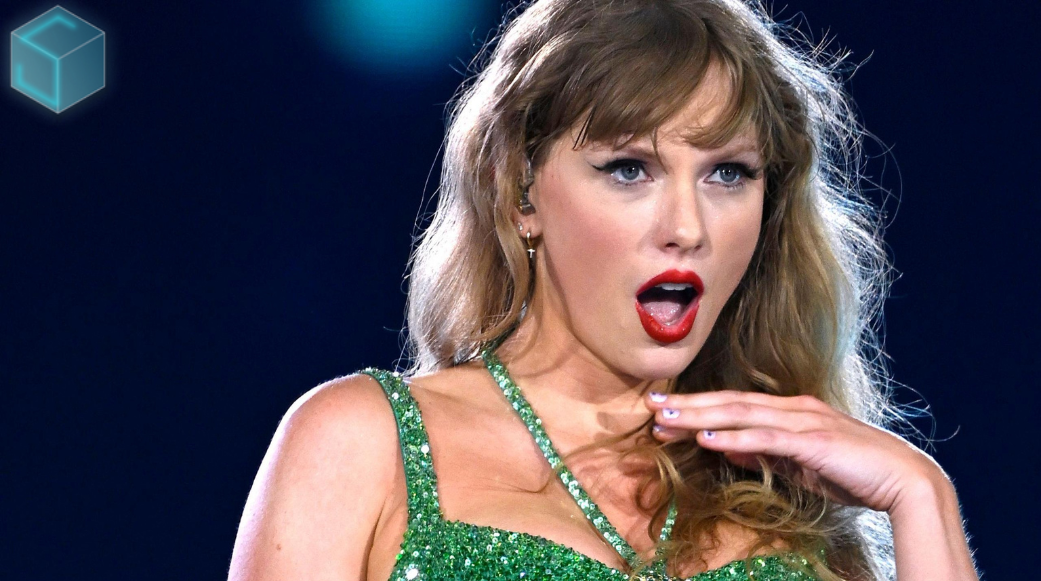
At exactly 12:12 a.m. Tuesday, Taylor Swift revealed her 12th studio album, The Life of a Showgirl, via her official website. The announcement came as a countdown timer hit zero, setting off a wave...
Read more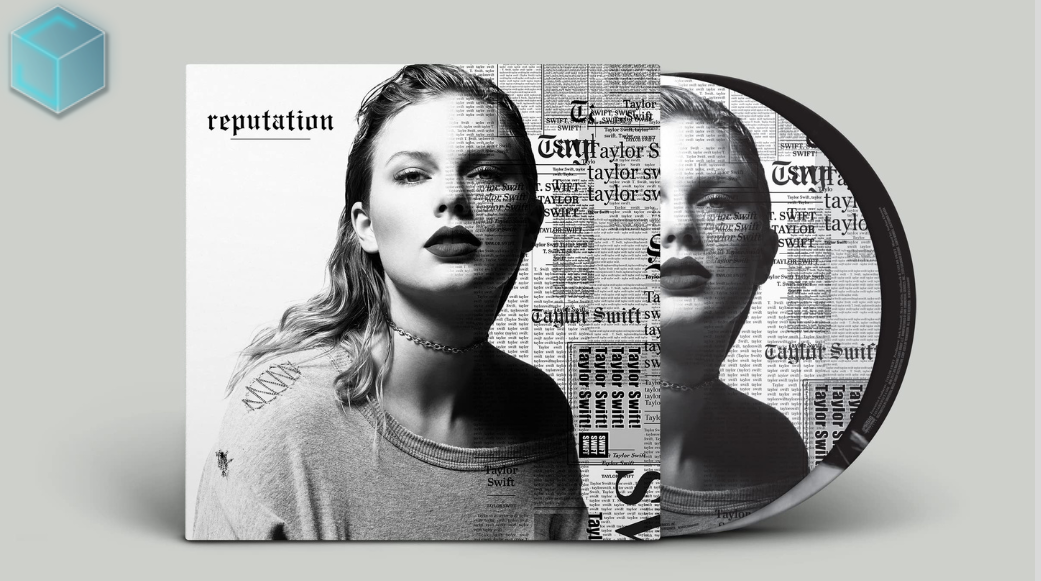
August 15, 2025
Taylor Swift fans are buzzing after longtime collaborator Joseph Kahn revealed that the singer filmed — but never released — a music video for her Reputation track “King of My Heart” nearly a...
Read more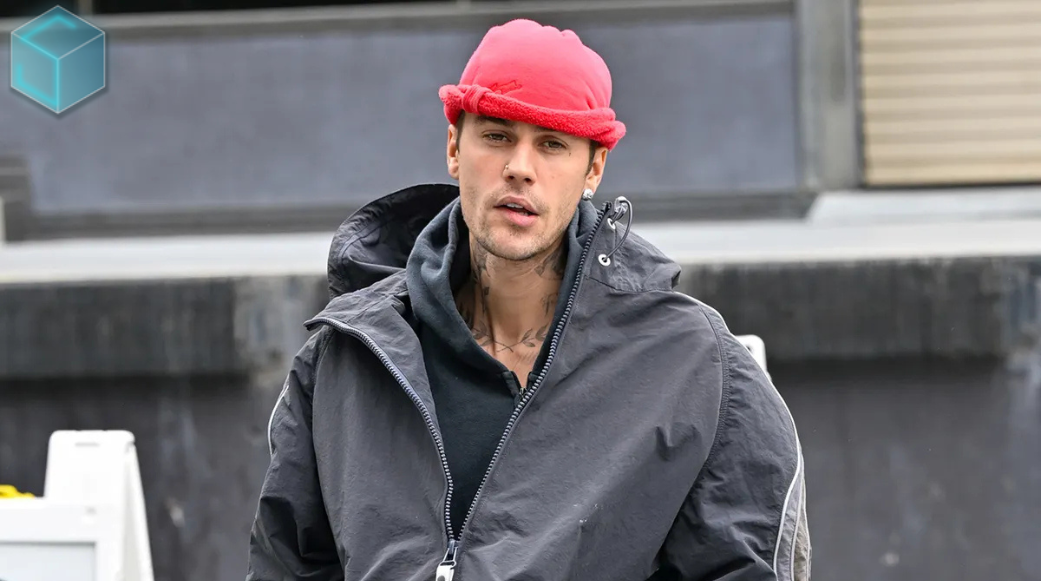
August 15, 2025
As his son Jack Blues approaches his first birthday on August 22, Justin Bieber is giving fans heartfelt glimpses into his life as a doting father. The 31-year-old superstar took to Instagram...
Read more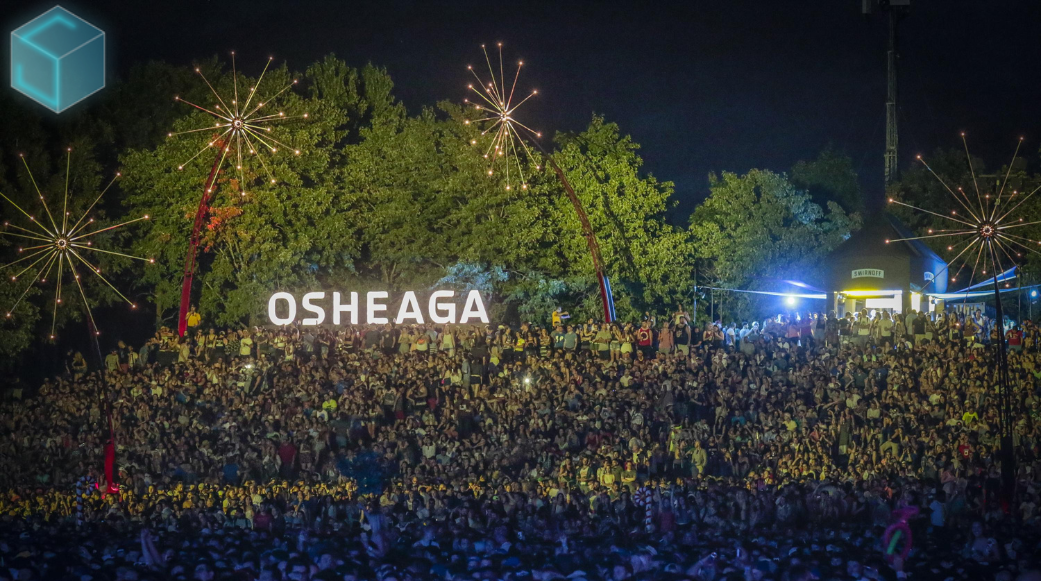
August 11, 2025
From August 1–3, Parc Jean-Drapeau wasn’t just a park, it was the main character. Osheaga 2025 rolled in with enough vibes to power your entire summer playlist, turning the city into a three-day...
Read more
August 11, 2025
In the ever-shifting world of K-pop, new groups arrive every year, but when BigHit Music announces a debut, the industry listens. Just days before BTS gears up for their long-awaited comeback, the...
Read more
August 11, 2025
When ILLIT dropped “Billyeoon Goyangi,” they probably didn’t expect to turn TikTok into one giant dance floor, but here we are, thousands of creators spinning, twirling, and body-rolling like their...
Read more
August 11, 2025
In a year where streaming milestones are harder to hit than that high note in ANTIFRAGILE, LE SSERAFIM has officially crossed 1 billion Spotify streams in 2025. The self-proclaimed fearless queens...
Read more
August 11, 2025
Imagine dropping your debut single and poof, you're suddenly everywhere. That’s exactly how ILLIT entered the scene with “Magnetic.” This banger didn’t just drop; it detonated, sending viral...
Read more.png)
August 11, 2025
The Soul Train Awards and Hip-Hop Awards, two cornerstone events celebrating Black music and culture, have been suspended by BET. The news was confirmed by BET CEO Scott Mills in an interview with...
Read more.png)
August 11, 2025
When Memphis rapper GloRilla's October 2024 debut album Glorious, one track left everyone talking; "Rain Down on Me," featuring gospel heavyweights Kirk Franklin, Maverick City Music, Kierra...
Read more.png)
August 11, 2025
When the Kansas City Chiefs' three-peat dreams collapsed at Super Bowl LIX, the real drama wasn't just on the field it was in Travis Kelce's VIP box where Taylor Swift and Machine Gun Kelly were...
Read more.png)
August 10, 2025
In a powerful fusion of music and philanthropy, some of today’s most celebrated artists are stepping onto the stage not just to perform, but to make a difference. Stand Up To Cancer (SU2C) returns...
Read more.png)
Consider Billie Eilish as a synthetic voice rather than the genuine one. Spotify recently entered the world of Velvet Sundown, a full AI project including music, graphics, and an algorithmically generated narrative.
With a style that is too polished to be real, no live performances, and no interviews, Velvet Sundown has over a million monthly Spotify listeners and has been on various Viral 50 lists around the world. The truth—that everything was AI-created—was revealed only after the fact.
According to The Guardian, music industry leaders want AI-generated songs on Spotify and Apple Music to be clearly labeled, so listeners know what’s real and what’s not.
Roberto Neri of The Ivors Academy warns that AI raises serious moral questions around who owns music, whether creators gave permission, and how transparent the process is.
So, why did Velvet Sundown thrive while actual artists stalled?
Academic AI detectors achieve over 99.8% accuracy, while real-world consistency remains elusive.
Common complaints on Reddit include:
*“Actually existed band ended up being AI…”*
“Discover Weekly full of these AI songs lately!”
“Music became a dystopian sea of background noise.”
Once-fresh discovery playlists now spam suspected AI tracks, making authentic music harder to find. This enormous migration continues, with indie artists fleeing platforms that value AI noise over human creativity.
Spotify and Apple Music could follow Deezer’s lead by being more transparent about AI- generated music. Scholars and politicians in the UK and US argue that these countries should set a global standard by creating new policies.
When a completely fake band gets real streaming numbers, it's not just a novelty, it's a turning point. AI can be a powerful creative tool, but only if we prioritize transparency, protect artist rights, and human originality.
.png)


