
August 19, 2025
“Your Idol” stands out in Kpop Demon Hunters not just as a catchy track, but as one of the most self-aware songs in the whole project. At first listen, it has all the hallmarks of a classic K-pop...
Read more
August 19, 2025
If you’ve scrolled TikTok, Insta, or literally any corner of the internet in the past few weeks, you’ve probably heard it: the fizzy, feel-good bop known as “Soda Pop” by the Saja Boys. Straight...
Read more
August 19, 2025
Skai Is Yourgod didn’t just drop a song, he dropped a cultural grenade. His track “Stacks From All Sides” has taken TikTok by storm, and the secret sauce? A cheeky little sample from Beetle on...
Read more
August 19, 2025
After 70 weeks at No. 1 with “Too Sweet,” Hozier’s reign on Billboard’s Hot Rock Songs chart comes to an end as newcomer Sombr takes over with...
Read more
August 19, 2025
Charli XCX brought her groundbreaking Brat era to a poignant close Friday night during an electrifying performance at South Korea's One Universe Festival. The pop innovator marked the final...
Read more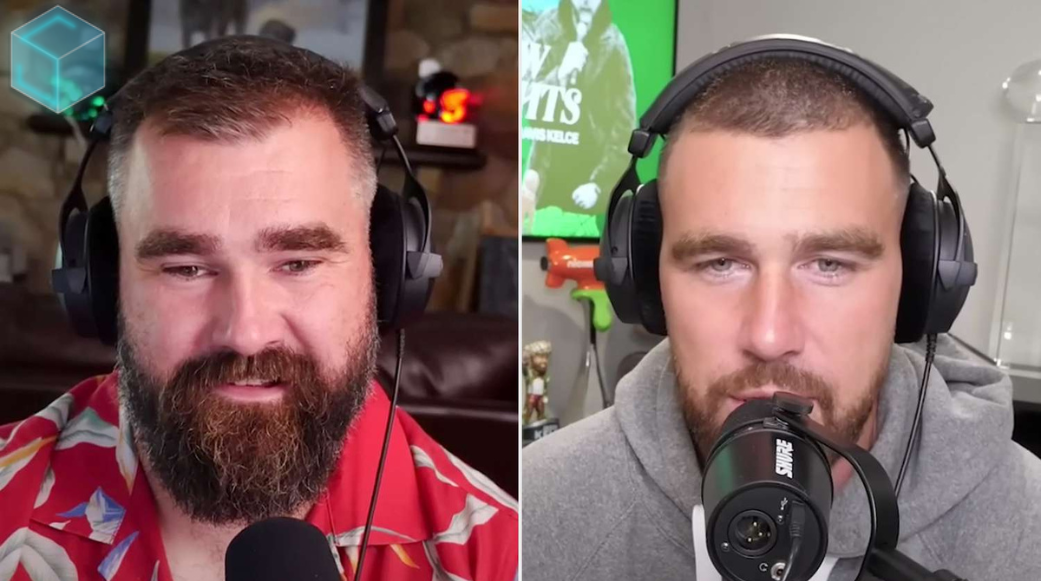
August 19, 2025
Taylor Swift’s appearance on Travis and Jason Kelce’s New Heights podcast drew 1.3M live viewers, breaking YouTube records and sparking buzz with details about her new album The Life of a...
Read more
August 19, 2025
After a six-year silence, Chance the Rapper is officially back. On August 15, 2025, he will drop his sophomore album, Star Line, marking a new chapter filled with growth, travel, and creative...
Read more
August 19, 2025
Lana Del Rey’s new song takes aim at Ethel Cain, referencing an alleged personal rift involving Instagram posts, a mutual ex, and behind-the-scenes remarks...
Read more
August 15, 2025
The music industry collectively lost its composure when Taylor Swift announced her twelfth studio album The Life of a Showgirl, with everyone from Sabrina Carpenter to Caitlin Clark publicly...
Read more
August 15, 2025
One of the most talked-about musical moments of the summer is JoJo Siwa's recent rendition of the 1981 classic "Bette Davis Eyes." On July 11, she shared her retro-style rendition, sparking intense...
Read more
August 15, 2025
Chappell Roan is keeping fans guessing about her sophomore album, admitting she has "no idea" what direction her new music will take. In a revealing interview with Apple Music 1's Zane Lowe, the...
Read more
August 15, 2025
In a candid new interview with GQ, Kansas City Chiefs tight end Travis Kelce is pulling back the curtain on his relationship with pop superstar Taylor Swift. The NFL star revealed intimate details...
Read more.png)
If you’ve ever wondered why mastering is necessary when your mix already sounds good, you’re not alone. For many newer producers, it can be confusing to understand the importance of mastering, especially when your mix feels polished and balanced. However, mastering is an essential step in the production process, and it goes beyond just adding a limiter or compressor.
Let’s explore the purpose of mastering, why it’s necessary even when the mix sounds great, and how it can elevate your track to a professional level.
Mastering is the final step in the music production process before a track is distributed. It involves making subtle adjustments to the overall mix to ensure the track sounds cohesive and polished across different listening environments (e.g., headphones, car speakers, streaming platforms). The goal is to create a final version of the track that translates well on all playback systems and has a consistent loudness and tonal balance when compared to other professionally released tracks.
It’s easy to confuse mixing and mastering since both processes involve shaping the sound of your track. However, they serve different purposes:
While mixing is about the individual components, mastering is about the big picture. Even if your mix sounds great, mastering adds the final polish to ensure your track reaches its full potential.
Even if your mix is balanced and sounds great in your studio, mastering can still offer several benefits:
It’s great that you’re comfortable going back to the mix to make adjustments, especially when you notice something like a lack of high end. However, there are situations where mastering is more efficient and appropriate:
While you can certainly take on mastering yourself, especially with the availability of tools and plugins, there are times when hiring a professional mastering engineer might be worth considering.
In summary, mastering is not about fixing a bad mix—it’s about enhancing a good one. Even if your mix sounds balanced and polished, mastering provides that final layer of polish, ensuring your track translates well across different listening environments, has competitive loudness, and meets industry standards. While mastering might seem unnecessary at first glance, it plays a crucial role in delivering a professional-sounding product that stands up next to other commercial releases.
Mastering is the bridge between a great mix and a professional release. It ensures that your track is competitive in terms of loudness, translates well across different listening environments, and has the final polish needed for commercial success. Even if your mix sounds excellent, mastering can elevate it to the next level.
Do you have experience with mastering your own tracks, or have you worked with a mastering engineer? Let’s chat about your experiences in the comments below!
.png)


