
August 15, 2025
At exactly 12:12 a.m. Tuesday, Taylor Swift revealed her 12th studio album, The Life of a Showgirl, via her official website. The announcement came as a countdown timer hit zero, setting off a wave...
Read more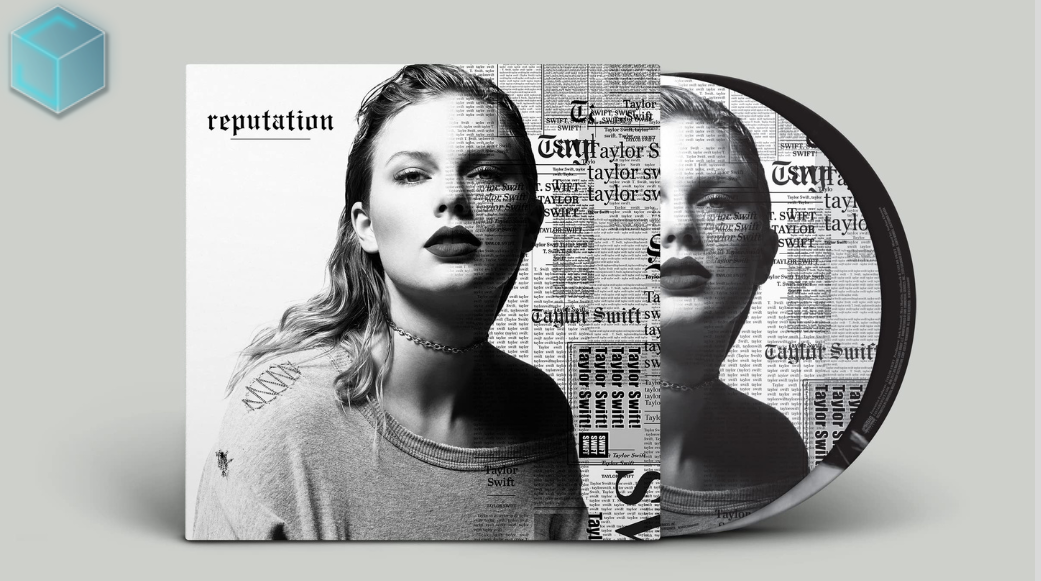
August 15, 2025
Taylor Swift fans are buzzing after longtime collaborator Joseph Kahn revealed that the singer filmed — but never released — a music video for her Reputation track “King of My Heart” nearly a...
Read more
August 15, 2025
As his son Jack Blues approaches his first birthday on August 22, Justin Bieber is giving fans heartfelt glimpses into his life as a doting father. The 31-year-old superstar took to Instagram...
Read more
August 11, 2025
From August 1–3, Parc Jean-Drapeau wasn’t just a park, it was the main character. Osheaga 2025 rolled in with enough vibes to power your entire summer playlist, turning the city into a three-day...
Read more
August 11, 2025
In the ever-shifting world of K-pop, new groups arrive every year, but when BigHit Music announces a debut, the industry listens. Just days before BTS gears up for their long-awaited comeback, the...
Read more
August 11, 2025
When ILLIT dropped “Billyeoon Goyangi,” they probably didn’t expect to turn TikTok into one giant dance floor, but here we are, thousands of creators spinning, twirling, and body-rolling like their...
Read more
August 11, 2025
In a year where streaming milestones are harder to hit than that high note in ANTIFRAGILE, LE SSERAFIM has officially crossed 1 billion Spotify streams in 2025. The self-proclaimed fearless queens...
Read more
August 11, 2025
Imagine dropping your debut single and poof, you're suddenly everywhere. That’s exactly how ILLIT entered the scene with “Magnetic.” This banger didn’t just drop; it detonated, sending viral...
Read more.png)
August 11, 2025
The Soul Train Awards and Hip-Hop Awards, two cornerstone events celebrating Black music and culture, have been suspended by BET. The news was confirmed by BET CEO Scott Mills in an interview with...
Read more.png)
August 11, 2025
When Memphis rapper GloRilla's October 2024 debut album Glorious, one track left everyone talking; "Rain Down on Me," featuring gospel heavyweights Kirk Franklin, Maverick City Music, Kierra...
Read more.png)
August 11, 2025
When the Kansas City Chiefs' three-peat dreams collapsed at Super Bowl LIX, the real drama wasn't just on the field it was in Travis Kelce's VIP box where Taylor Swift and Machine Gun Kelly were...
Read more.png)
August 10, 2025
In a powerful fusion of music and philanthropy, some of today’s most celebrated artists are stepping onto the stage not just to perform, but to make a difference. Stand Up To Cancer (SU2C) returns...
Read more.png)
Photo Source: Canva
Understanding music publishing is crucial for artists looking to make their music a viable long-term career. This comprehensive guide explores the intricacies of music publishing and how it can become a lucrative revenue stream for artists.
Music copyright is the legal right granted to the creator of a song. There are two distinct copyrights for every track:
Music publishing deals with the royalties generated by a song’s composition. A music publisher represents songwriters or composers, managing and paying out royalties from their compositions.
Music publishing revolves around how a song is used – copied, sold, performed, or broadcast. An independent musician might attempt to claim some of these royalties without a publisher, but it's a complex and challenging task. This complexity arises from the numerous organizations globally responsible for different royalty sources.
Music publishers have established relationships with Performing Rights Organizations (PROs) and mechanical rights collection societies worldwide. They possess the expertise to track down every potential source of royalties, ensuring that artists receive what they're owed.
A PRO collects performing royalties on behalf of composers and songwriters. Examples include PRS in the UK or ASCAP, BMI, and SESAC in the USA. PROs do not collect mechanical royalties, which are managed by different organizations like MCPS in the UK or MLC and Harry Fox in the USA.
While PROs are responsible for licensing and collecting performing royalties, music publishers also handle mechanical rights and sync licensing. They reduce costs by grouping copyrights together, negotiating, and licensing to digital services, broadcasters, and venues.
To claim all owed royalties, an artist can sign up with a music publisher, who will handle:
Music publishing is an integral part of the music industry, vital for ensuring that artists are compensated for their creative work. By understanding and leveraging the services of music publishers and PROs, artists can maximize their income and secure their financial future in the music industry.
Q: Can I manage my publishing rights independently?A: While possible, managing publishing rights independently is complex. Partnering with a music publisher can provide expertise and access to a broader network for royalty collection.
Q: What steps should I take to protect my composition?A: Ensure your music is copyrighted and registered with the relevant PROs and mechanical rights societies, either independently or through a music publisher.
.png)


