
August 15, 2025
At exactly 12:12 a.m. Tuesday, Taylor Swift revealed her 12th studio album, The Life of a Showgirl, via her official website. The announcement came as a countdown timer hit zero, setting off a wave...
Read more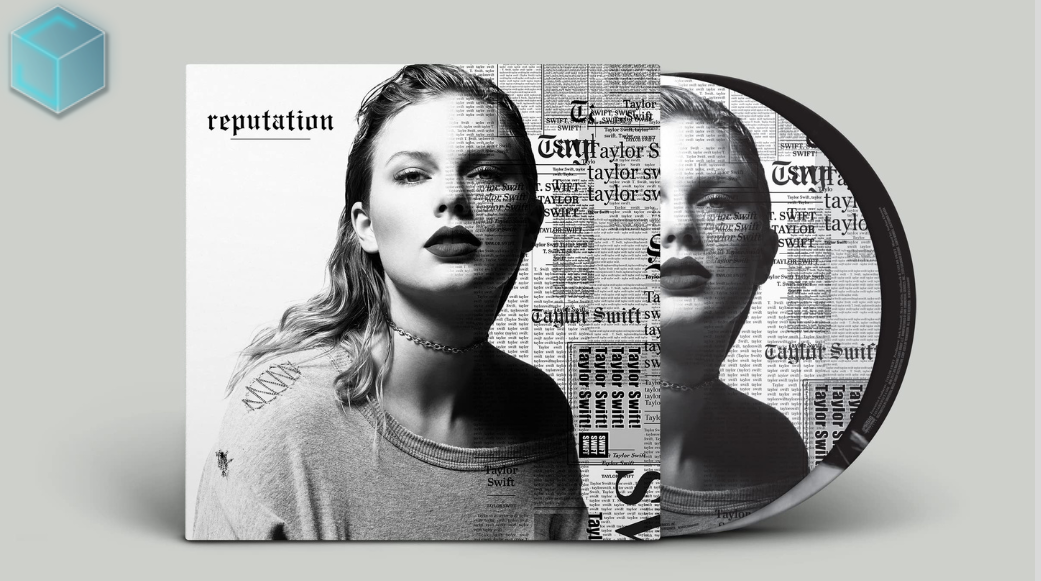
August 15, 2025
Taylor Swift fans are buzzing after longtime collaborator Joseph Kahn revealed that the singer filmed — but never released — a music video for her Reputation track “King of My Heart” nearly a...
Read more
August 15, 2025
As his son Jack Blues approaches his first birthday on August 22, Justin Bieber is giving fans heartfelt glimpses into his life as a doting father. The 31-year-old superstar took to Instagram...
Read more
August 11, 2025
From August 1–3, Parc Jean-Drapeau wasn’t just a park, it was the main character. Osheaga 2025 rolled in with enough vibes to power your entire summer playlist, turning the city into a three-day...
Read more
August 11, 2025
In the ever-shifting world of K-pop, new groups arrive every year, but when BigHit Music announces a debut, the industry listens. Just days before BTS gears up for their long-awaited comeback, the...
Read more
August 11, 2025
When ILLIT dropped “Billyeoon Goyangi,” they probably didn’t expect to turn TikTok into one giant dance floor, but here we are, thousands of creators spinning, twirling, and body-rolling like their...
Read more
August 11, 2025
In a year where streaming milestones are harder to hit than that high note in ANTIFRAGILE, LE SSERAFIM has officially crossed 1 billion Spotify streams in 2025. The self-proclaimed fearless queens...
Read more
August 11, 2025
Imagine dropping your debut single and poof, you're suddenly everywhere. That’s exactly how ILLIT entered the scene with “Magnetic.” This banger didn’t just drop; it detonated, sending viral...
Read more.png)
August 11, 2025
The Soul Train Awards and Hip-Hop Awards, two cornerstone events celebrating Black music and culture, have been suspended by BET. The news was confirmed by BET CEO Scott Mills in an interview with...
Read more.png)
August 11, 2025
When Memphis rapper GloRilla's October 2024 debut album Glorious, one track left everyone talking; "Rain Down on Me," featuring gospel heavyweights Kirk Franklin, Maverick City Music, Kierra...
Read more.png)
August 11, 2025
When the Kansas City Chiefs' three-peat dreams collapsed at Super Bowl LIX, the real drama wasn't just on the field it was in Travis Kelce's VIP box where Taylor Swift and Machine Gun Kelly were...
Read more.png)
August 10, 2025
In a powerful fusion of music and philanthropy, some of today’s most celebrated artists are stepping onto the stage not just to perform, but to make a difference. Stand Up To Cancer (SU2C) returns...
Read more.png)
In a drama that has captured the attention of the video game community, Mick Gordon, the composer behind the critically acclaimed soundtracks of Doom (2016) and Doom Eternal, has come forward with serious allegations against Bethesda, Id Software, and specifically, Id Software's studio director, Marty Stratton. The dispute, centered around the Doom Eternal Original Soundtrack (OST), sheds light not only on Gordon's personal grievances but also on systemic issues within the video game industry that merit closer examination.
Gordon's ordeal began with the release of Doom Eternal's Collector's Edition, which promised an OST composed by him. However, fans quickly noticed that only 11 of the 59 tracks were Gordon's work, leading to public outcry and a subsequent explanation from Stratton. Stratton's open letter on Reddit attributed the issue to Gordon's delays and incomplete delivery, suggesting that the studio's own audio designer had to complete the soundtrack.
Contrary to Stratton's claims, Gordon's 14,000-word statement, screenshots of conversations, and subsequent public comments paint a picture of a project marred by unrealistic expectations, poor communication, and a blatant disregard for the composer's professional integrity. Gordon describes an aggressive schedule that required composing music for levels that were either nonexistent or in unplayable states, leading to significant rewrites and wasted efforts. The crux of the issue, according to Gordon, was not just the immense task of meeting these demands but also the eventual misrepresentation of his contributions and the quality of the final OST.
Perhaps the most damning of the evidence are Gordon's allegations of financial mistreatment and Stratton's offer of a "six-figure sum" to keep quiet about the ordeal—an offer Gordon declined, stating, "the truth is more important." This statement, emblematic of Gordon's stance, underscores a commitment to integrity over financial gain, challenging the industry's often opaque operational practices.
The implications of Gordon's experience extend far beyond a single project. They highlight a troubling trend of mismanagement and lack of accountability within some of the industry's most revered institutions. The handling of the Doom Eternal OST not only affected Gordon's professional reputation but also betrayed the trust of fans and consumers who expected a product that both respected the game's legacy and its composer's artistry.
Critically, the controversy reveals the problem of undervaluing creative contributions in the video game industry. Composers, artists, and developers are often seen as replaceable parts in a larger machine, with their individual contributions obscured or undervalued in the service of corporate objectives. This perception can lead to a culture in the industry where artistic integrity and fair compensation are sacrificed for deadlines and profit margins.
Turning a blind eye to cases like Mick Gordon's is detrimental to the video game industry for several reasons. Firstly, it undermines the morale for collaboration essential to creating immersive and innovative gaming experiences. When talented individuals are mistreated or devalued, it not only affects their willingness to contribute to future projects but also sends a discouraging message to other creatives considering entering the industry. Secondly, it flattens consumer trust. Fans expect that the products they support are produced ethically and that the creative forces behind them are treated with respect. Lastly and perhaps most importantly, expressing indifference to unethical practices will only result in the continuation of such patterns. After all, without resistance, what will prevent companies from further exploiting their workers if they have already done so?
Moreover, the industry's reputation for crunch culture and exploitative practices is only further cemented by incidents like these. As gaming continues to be a prevailing form of entertainment, the sustainability of production while enforcing these practices is questionable at best. A shift towards greater transparency, fairer treatment of creatives, and a more equitable sharing of success is not just morally imperative but essential for the long-term health of the industry.
In conclusion, Mick Gordon's dispute with Bethesda and Id Software is a cautionary tale of what happens when corporate interests overshadow creative and ethical considerations. For the video game industry to continue thriving, it must prioritize the well-being and respect of its creative talents. Ignoring these issues not only does a disservice to individuals like Gordon but also risks the industry's future innovation and integrity. The time for change is now, in risk of losing even more than the music that powers our favorite gaming experiences.
.png)


