
August 15, 2025
At exactly 12:12 a.m. Tuesday, Taylor Swift revealed her 12th studio album, The Life of a Showgirl, via her official website. The announcement came as a countdown timer hit zero, setting off a wave...
Read more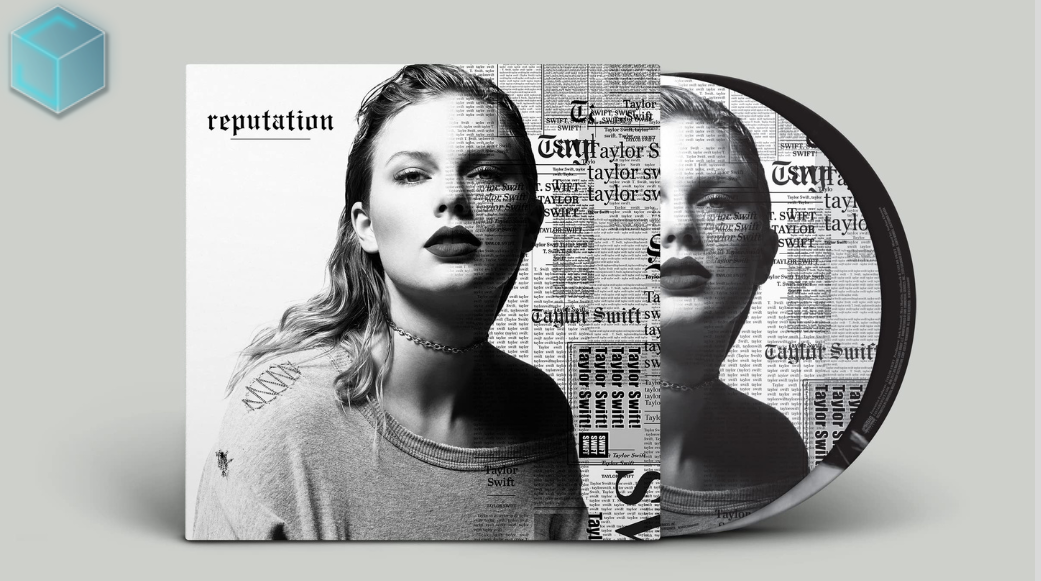
August 15, 2025
Taylor Swift fans are buzzing after longtime collaborator Joseph Kahn revealed that the singer filmed — but never released — a music video for her Reputation track “King of My Heart” nearly a...
Read more
August 15, 2025
As his son Jack Blues approaches his first birthday on August 22, Justin Bieber is giving fans heartfelt glimpses into his life as a doting father. The 31-year-old superstar took to Instagram...
Read more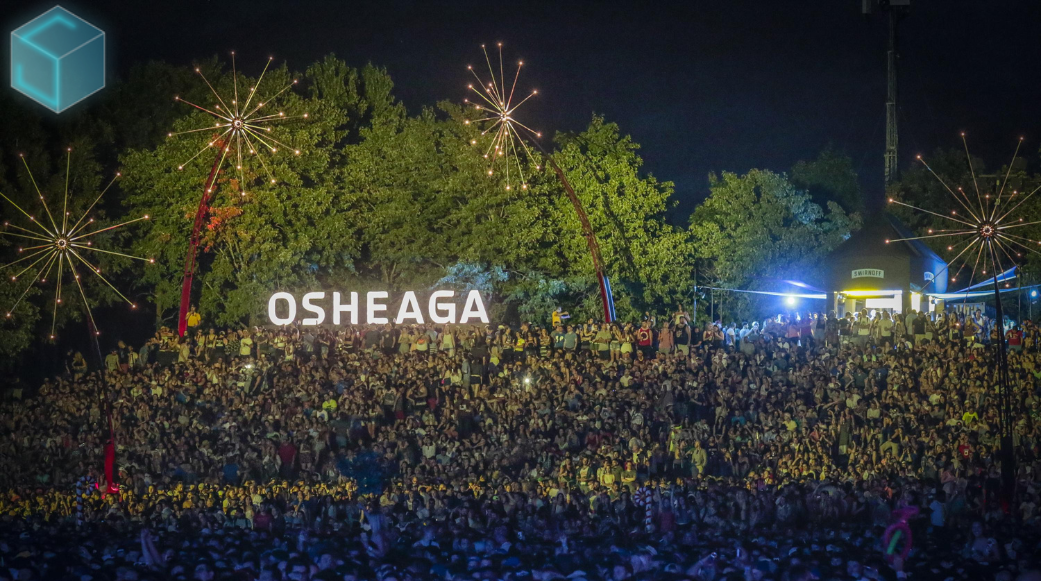
August 11, 2025
From August 1–3, Parc Jean-Drapeau wasn’t just a park, it was the main character. Osheaga 2025 rolled in with enough vibes to power your entire summer playlist, turning the city into a three-day...
Read more
August 11, 2025
In the ever-shifting world of K-pop, new groups arrive every year, but when BigHit Music announces a debut, the industry listens. Just days before BTS gears up for their long-awaited comeback, the...
Read more
August 11, 2025
When ILLIT dropped “Billyeoon Goyangi,” they probably didn’t expect to turn TikTok into one giant dance floor, but here we are, thousands of creators spinning, twirling, and body-rolling like their...
Read more
August 11, 2025
In a year where streaming milestones are harder to hit than that high note in ANTIFRAGILE, LE SSERAFIM has officially crossed 1 billion Spotify streams in 2025. The self-proclaimed fearless queens...
Read more
August 11, 2025
Imagine dropping your debut single and poof, you're suddenly everywhere. That’s exactly how ILLIT entered the scene with “Magnetic.” This banger didn’t just drop; it detonated, sending viral...
Read more.png)
August 11, 2025
The Soul Train Awards and Hip-Hop Awards, two cornerstone events celebrating Black music and culture, have been suspended by BET. The news was confirmed by BET CEO Scott Mills in an interview with...
Read more.png)
August 11, 2025
When Memphis rapper GloRilla's October 2024 debut album Glorious, one track left everyone talking; "Rain Down on Me," featuring gospel heavyweights Kirk Franklin, Maverick City Music, Kierra...
Read more.png)
August 11, 2025
When the Kansas City Chiefs' three-peat dreams collapsed at Super Bowl LIX, the real drama wasn't just on the field it was in Travis Kelce's VIP box where Taylor Swift and Machine Gun Kelly were...
Read more.png)
August 10, 2025
In a powerful fusion of music and philanthropy, some of today’s most celebrated artists are stepping onto the stage not just to perform, but to make a difference. Stand Up To Cancer (SU2C) returns...
Read more
Pop and club music used to be the anthems of good times. From the infectious beats of the late '90s and early 2000s to the party-ready hits that defined the early 2010s, these genres once encapsulated the joy of dancing, the excitement of nightlife, and the simple pleasures of letting loose. However, in recent years, there's been a noticeable shift in the musical landscape, and it's not necessarily for the better.
One of the main issues plaguing modern club music is its repetitiveness. Anyone who has spent time in clubs recently will attest to hearing the same handful of songs on a loop, night after night. What was once a soundtrack to a great night out has turned into an almost torturous experience, with the same tracks being played ad nauseam. Take Justin Bieber's "Sorry" for instance. While it's great that Bieber has matured and evolved as an artist, there's no reason for a song like "Sorry" to be played multiple times in a single night. The same can be said for Kanye West's "Stronger" and "Ni**as In Paris." These tracks, while undoubtedly influential and popular, have been overplayed to the point where their impact is diminished. Hearing them on repeat doesn't evoke excitement anymore; it breeds fatigue.
Another glaring problem is the sheer blandness and generic quality of many hits that dominate club playlists today. Songs that start with an auto-tuned insert of the artist's name act as painful reminders of exactly who you're being forced to listen to, often setting the stage for a forgettable experience. These tracks lack the creativity and originality that once made club music so dynamic and engaging. Instead, they blend into a homogeneous mix of uninspired beats and shallow lyrics.
The infiltration of alternative and indie music into club settings presents a curious case. While some patrons cheer in adulation, recognizing their favorite bands like Arctic Monkeys or The Strokes, others take this as an opportune moment to refill their drinks, waiting for the next mainstream hit. This division only highlights the disconnection between what clubs are playing and what their audiences truly desire. Even attempts to diversify the playlist can backfire, leaving half the crowd disengaged.
It's impossible to ignore the influence of grime and its reception in club environments. Criticizing grime can often make one sound out of touch with youth culture, yet it's hard not to find the scene of football lads screaming the few lines of Skepta's "Shutdown" they know both amusing and somewhat sad. It’s reminiscent of high school parties where everyone belted out "Mr. Brightside" in a circle, each trying to outdo the other in vocal prowess. This nostalgic callback, while fun, underscores the lack of fresh, impactful music in the current club scene.
In essence, the rise of sad music has not only shifted the tone of what we listen to but has also highlighted the deficiencies in pop and club music today. The repetition, generic nature, and disconnect between the music and its audience have turned what was once a vibrant and exciting genre into something that many now view with a mix of boredom and frustration. It’s a reminder that music, much like any other form of art, needs to evolve and stay in tune with the emotions and desires of its listeners to remain relevant and enjoyable.
.png)


