August 15, 2025
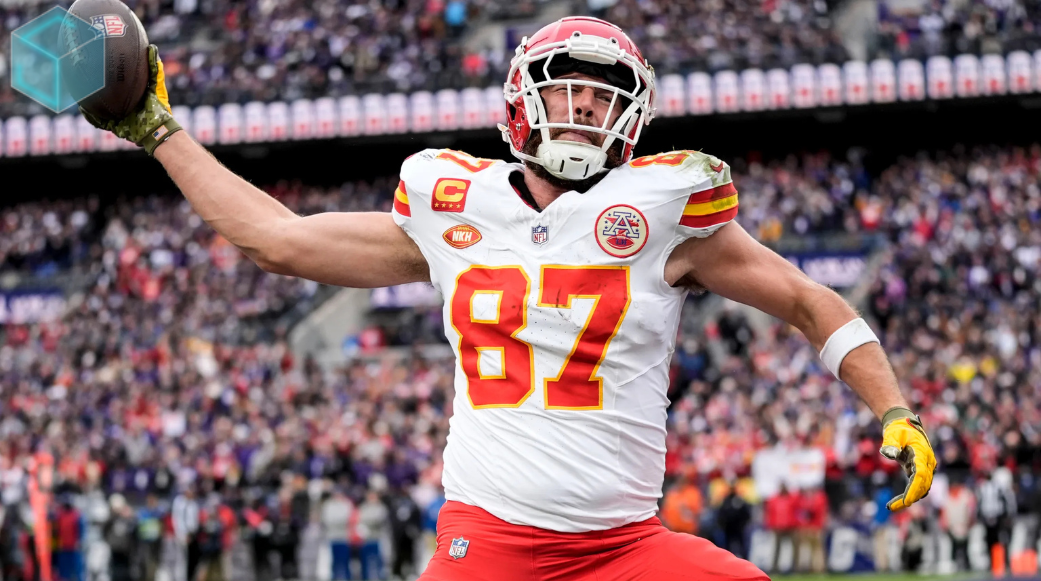
In a candid new interview with GQ, Kansas City Chiefs tight end Travis Kelce is pulling back the curtain on his relationship with pop superstar Taylor Swift. The NFL star revealed intimate details...
Read more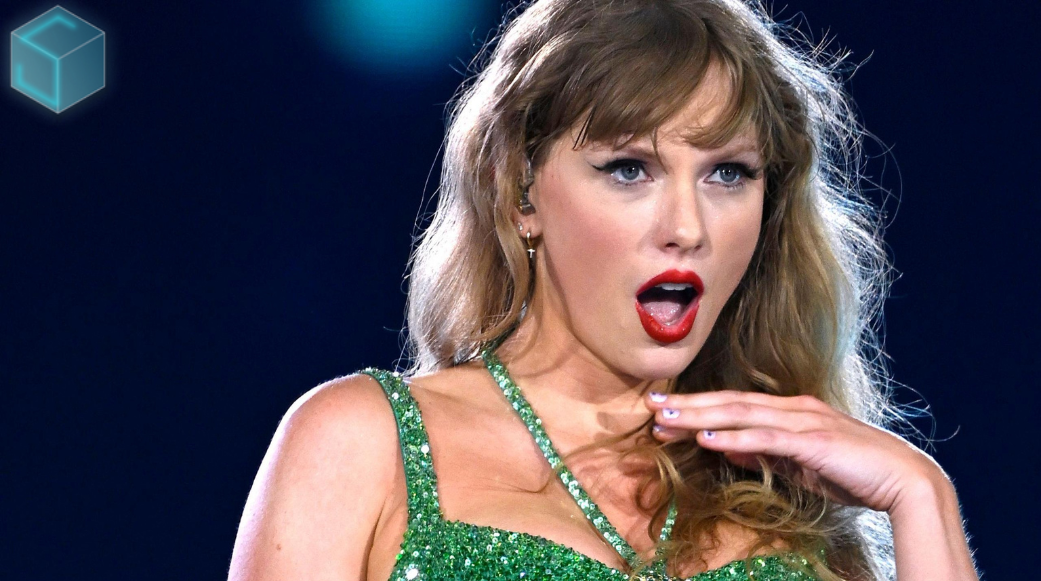
August 15, 2025
At exactly 12:12 a.m. Tuesday, Taylor Swift revealed her 12th studio album, The Life of a Showgirl, via her official website. The announcement came as a countdown timer hit zero, setting off a wave...
Read more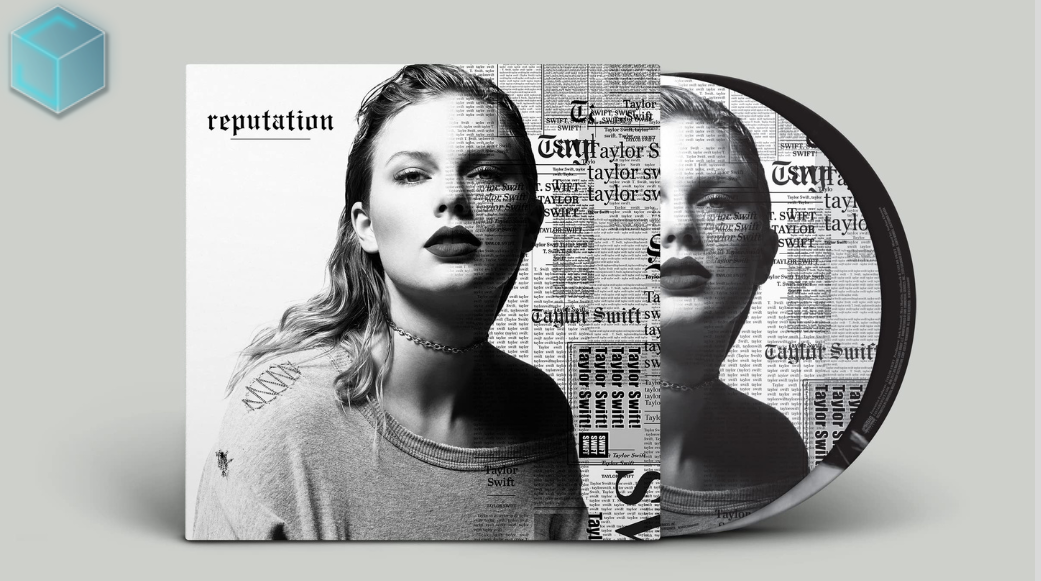
August 15, 2025
Taylor Swift fans are buzzing after longtime collaborator Joseph Kahn revealed that the singer filmed — but never released — a music video for her Reputation track “King of My Heart” nearly a...
Read more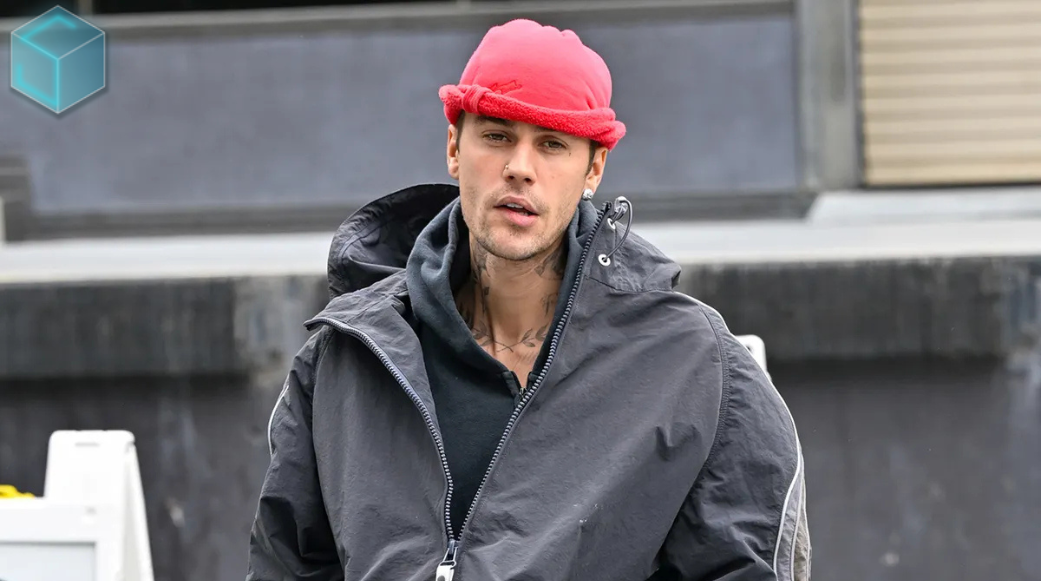
August 15, 2025
As his son Jack Blues approaches his first birthday on August 22, Justin Bieber is giving fans heartfelt glimpses into his life as a doting father. The 31-year-old superstar took to Instagram...
Read more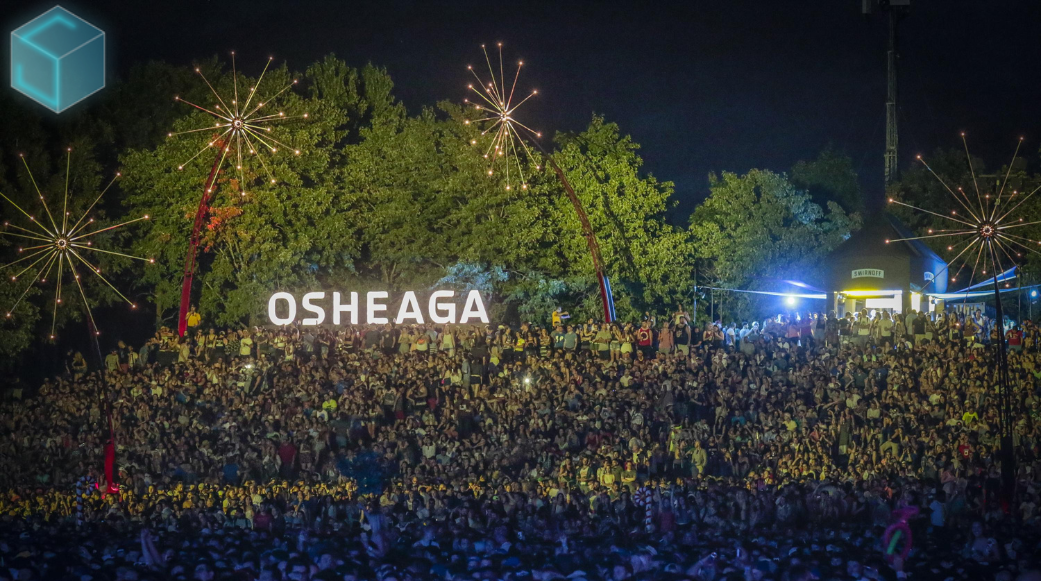
August 11, 2025
From August 1–3, Parc Jean-Drapeau wasn’t just a park, it was the main character. Osheaga 2025 rolled in with enough vibes to power your entire summer playlist, turning the city into a three-day...
Read more
August 11, 2025
In the ever-shifting world of K-pop, new groups arrive every year, but when BigHit Music announces a debut, the industry listens. Just days before BTS gears up for their long-awaited comeback, the...
Read more
August 11, 2025
When ILLIT dropped “Billyeoon Goyangi,” they probably didn’t expect to turn TikTok into one giant dance floor, but here we are, thousands of creators spinning, twirling, and body-rolling like their...
Read more
August 11, 2025
In a year where streaming milestones are harder to hit than that high note in ANTIFRAGILE, LE SSERAFIM has officially crossed 1 billion Spotify streams in 2025. The self-proclaimed fearless queens...
Read more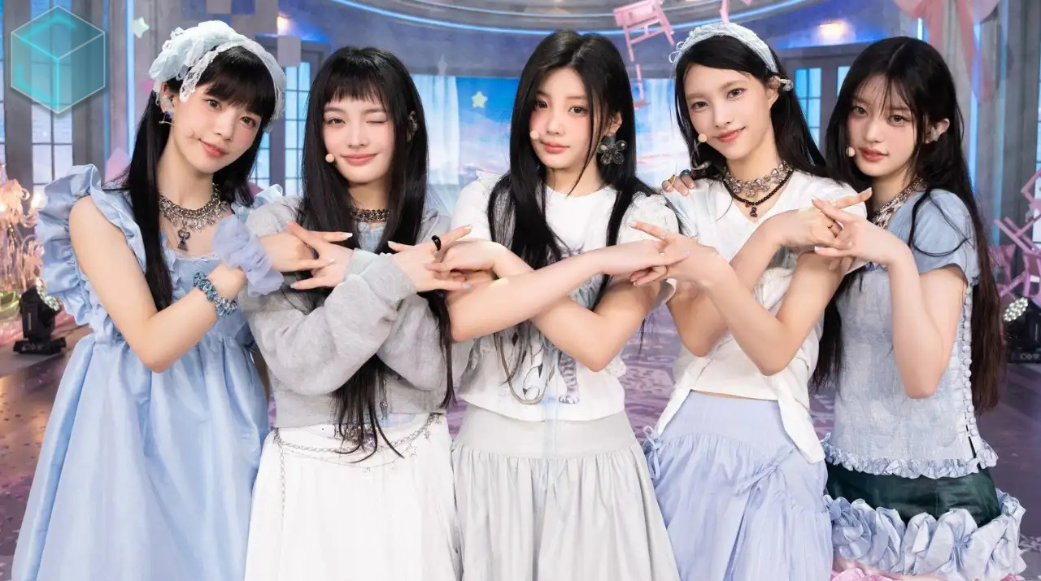
August 11, 2025
Imagine dropping your debut single and poof, you're suddenly everywhere. That’s exactly how ILLIT entered the scene with “Magnetic.” This banger didn’t just drop; it detonated, sending viral...
Read more.png)
August 11, 2025
The Soul Train Awards and Hip-Hop Awards, two cornerstone events celebrating Black music and culture, have been suspended by BET. The news was confirmed by BET CEO Scott Mills in an interview with...
Read more.png)
August 11, 2025
When Memphis rapper GloRilla's October 2024 debut album Glorious, one track left everyone talking; "Rain Down on Me," featuring gospel heavyweights Kirk Franklin, Maverick City Music, Kierra...
Read more.png)
August 11, 2025
When the Kansas City Chiefs' three-peat dreams collapsed at Super Bowl LIX, the real drama wasn't just on the field it was in Travis Kelce's VIP box where Taylor Swift and Machine Gun Kelly were...
Read more.png)
Something interesting is happening in music right now. Artists don’t really disappear anymore. They just… pause.
Then suddenly they’re back, and somehow bigger than before.
A lot of this comes down to how people actually listen to music today. Platforms like Spotify and TikTok don’t care when a song comes out. If it fits a moment, it gets pushed. That’s why songs from years ago randomly start trending again, like they were just released yesterday.
And this isn’t just a theory, it’s literally shaping the industry right now. Recent reports show streaming platforms are paying out more than ever, with over $11 billion going back into music in 2025 alone. At the same time, older songs and albums are driving a huge portion of that engagement, not just new releases.
Even outside of streaming, the same pattern is showing up. Vinyl sales just hit levels we haven’t seen since the 1980s, and a lot of that demand is coming from older or re-released music, not just brand new albums.
So when a song comes back, artists have a choice. Ignore it, or step back in and build on it.
Some are doing it really well.
You’ve got artists like Hilary Duff stepping back into the spotlight after years away, not just for nostalgia, but because there’s actual demand again. At the same time, artists like Mariah Carey are revisiting older projects and giving them a second life through anniversaries and re-releases.
It doesn’t feel forced either. It works because the audience never really left.
What’s changed is how long a song can live. Before streaming, music had a short cycle. You dropped something, promoted it, and then moved on. Now, a track can resurface five or even ten years later and still feel relevant.
That completely changes how artists move.
Instead of treating music like a one-time release, it’s starting to feel more like something that can be reused, reshaped, and reintroduced whenever the timing is right.
Even fans are part of this. People love rediscovering old songs. There’s something about hearing a track you forgot about that hits differently than hearing something brand new.
So comebacks don’t really feel like comebacks anymore. It’s more like artists picking up a conversation that was already happening without them.
This trend completely changes how you should think about your music.
Your songs aren’t just for right now, they’re assets that can come back later.
Instead of chasing constant new releases, artists are starting to think long-term:
→ Build a catalog that can age well
→ Create moments that people want to revisit
→ Don’t rush past older projects, they still have value
Because in today’s industry, a song doesn’t die… it just waits for the right moment to blow up again.
Music is no longer linear.
It’s not: drop → promo → move on.
It’s: drop → revive → repackage → rediscover.
And honestly? That changes everything.
The artists winning right now aren’t just the ones making hits, they’re the ones who know how to bring them back.
.png)


