.png)
August 5, 2025
Fujii Kaze’s “Love Like This” isn’t your average love song, it’s a shimmering, soulful glide through the kind of romance that doesn’t just sweep you off your feet, it levitates you. With effortless...
Read more.png)
August 5, 2025
Laufey’s “Lover Girl” isn’t just a song, it’s a soft, sweeping confession wrapped in strings, jazz chords, and the kind of vulnerability that makes you want to cry into your oat milk latte. With...
Read more.png)
August 5, 2025
When Saweetie hit the mic with her usual sparkle and sass, fans expected bops, but what they didn’t expect was boffum. Yes, boffum. The internet has been shaken, stirred, and straight-up meme-ified...
Read more.png)
August 5, 2025
After years of teasing, manifesting, and fans quite literally breaking down over one-song discographies, Jennie finally pulled the ultimate main character move, she dropped a full solo album. No...
Read more.png)
August 5, 2025
In a heartfelt social media post, Freese explained that his decision to leave Nine Inch Nails was one of the hardest of his career. At the time, he and his wife were expecting their third child...
Read more.png)
August 5, 2025
Meet Ty Myers, a teen from Texas who is transforming the concept of a country performer in 2025, music fans. Honky-tonk roots, modest ambition, and a popular TikTok moment from 2023 inspired his...
Read more.png)
August 5, 2025
Demi Lovato is back in the pop scene with her latest single, “Fast,” which brings her back to the club-ready, EDM-infused beats that fans loved in hits like “Cool for the Summer” and...
Read more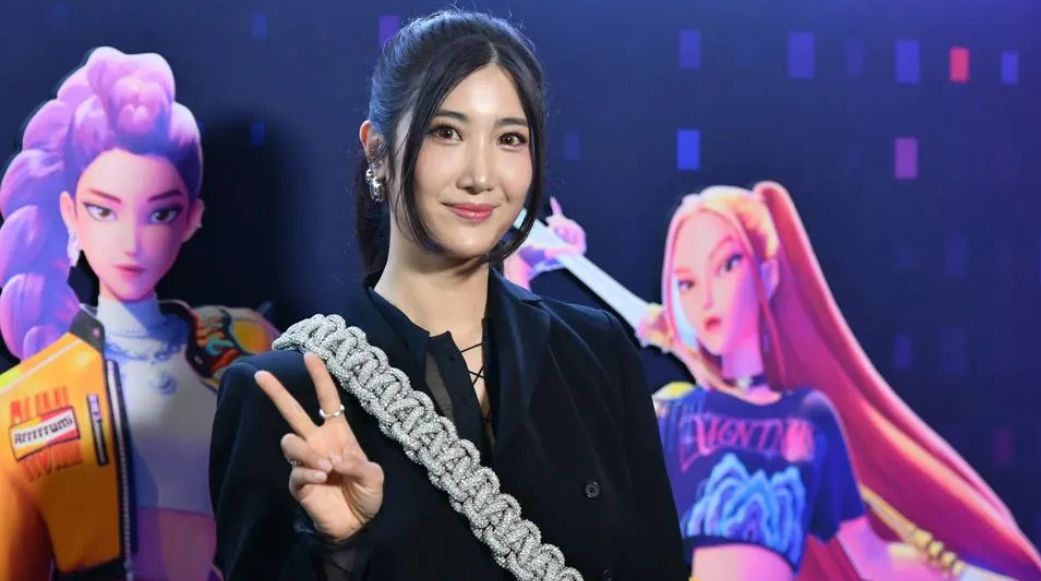
August 1, 2025
a deeper heartbeat emerged beneath the surface: the voice of Rumi— performed and co-written by the Korean-American singer-songwriter Ejae.
Read more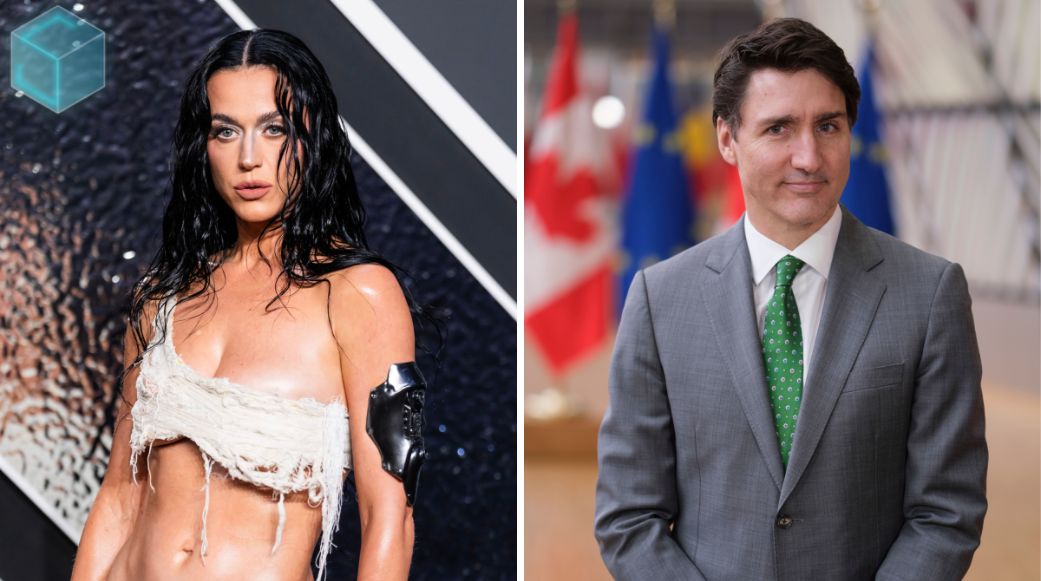
August 1, 2025
Former Canadian PM and pop star fuel speculation following her split from Orlando BloomFormer Canadian Prime Minister Justin Trudeau became the unexpected star of Katy Perry’s Montreal concert this...
Read more.png)
August 1, 2025
The dust has settled on Lollapalooza’s lineup announcement, and the message is clear: the 34-year-old festival isn’t resting on its laurels. With a single Instagram post, organizers simultaneously...
Read more.png)
July 31, 2025
When the White House repurposed a popular Jet2 Holidays meme video featuring Jess Glynne's hit "Hold My Hand" to highlight ICE deportations, the backlash was immediate and loud. “This post honestly...
Read more.png)
July 31, 2025
The silence that followed my mother’s words felt like the weight of the world pressing in on me. I was 17, but in that moment, I felt small, like that eight-year-old kid again, curled up in my...
Read more.png)
Something interesting is happening in music right now. Artists don’t really disappear anymore. They just… pause.
Then suddenly they’re back, and somehow bigger than before.
A lot of this comes down to how people actually listen to music today. Platforms like Spotify and TikTok don’t care when a song comes out. If it fits a moment, it gets pushed. That’s why songs from years ago randomly start trending again, like they were just released yesterday.
And this isn’t just a theory, it’s literally shaping the industry right now. Recent reports show streaming platforms are paying out more than ever, with over $11 billion going back into music in 2025 alone. At the same time, older songs and albums are driving a huge portion of that engagement, not just new releases.
Even outside of streaming, the same pattern is showing up. Vinyl sales just hit levels we haven’t seen since the 1980s, and a lot of that demand is coming from older or re-released music, not just brand new albums.
So when a song comes back, artists have a choice. Ignore it, or step back in and build on it.
Some are doing it really well.
You’ve got artists like Hilary Duff stepping back into the spotlight after years away, not just for nostalgia, but because there’s actual demand again. At the same time, artists like Mariah Carey are revisiting older projects and giving them a second life through anniversaries and re-releases.
It doesn’t feel forced either. It works because the audience never really left.
What’s changed is how long a song can live. Before streaming, music had a short cycle. You dropped something, promoted it, and then moved on. Now, a track can resurface five or even ten years later and still feel relevant.
That completely changes how artists move.
Instead of treating music like a one-time release, it’s starting to feel more like something that can be reused, reshaped, and reintroduced whenever the timing is right.
Even fans are part of this. People love rediscovering old songs. There’s something about hearing a track you forgot about that hits differently than hearing something brand new.
So comebacks don’t really feel like comebacks anymore. It’s more like artists picking up a conversation that was already happening without them.
This trend completely changes how you should think about your music.
Your songs aren’t just for right now, they’re assets that can come back later.
Instead of chasing constant new releases, artists are starting to think long-term:
→ Build a catalog that can age well
→ Create moments that people want to revisit
→ Don’t rush past older projects, they still have value
Because in today’s industry, a song doesn’t die… it just waits for the right moment to blow up again.
Music is no longer linear.
It’s not: drop → promo → move on.
It’s: drop → revive → repackage → rediscover.
And honestly? That changes everything.
The artists winning right now aren’t just the ones making hits, they’re the ones who know how to bring them back.
.png)


