August 15, 2025
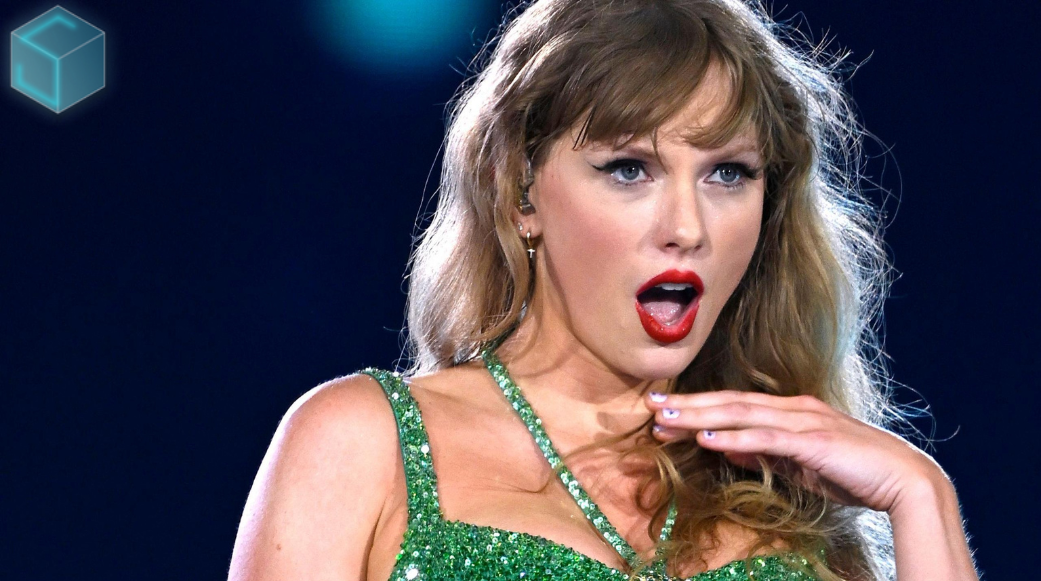
At exactly 12:12 a.m. Tuesday, Taylor Swift revealed her 12th studio album, The Life of a Showgirl, via her official website. The announcement came as a countdown timer hit zero, setting off a wave...
Read more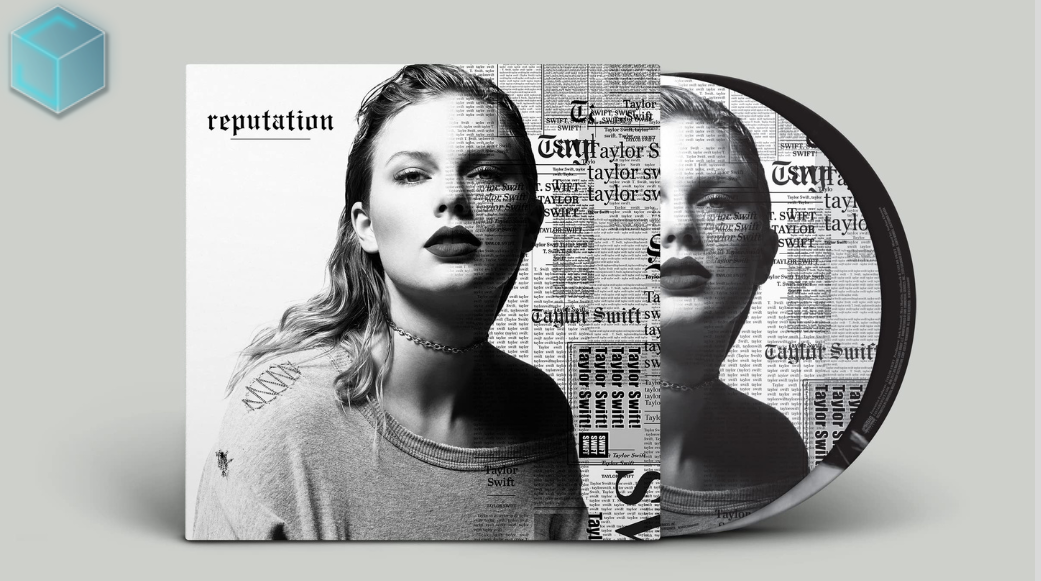
August 15, 2025
Taylor Swift fans are buzzing after longtime collaborator Joseph Kahn revealed that the singer filmed — but never released — a music video for her Reputation track “King of My Heart” nearly a...
Read more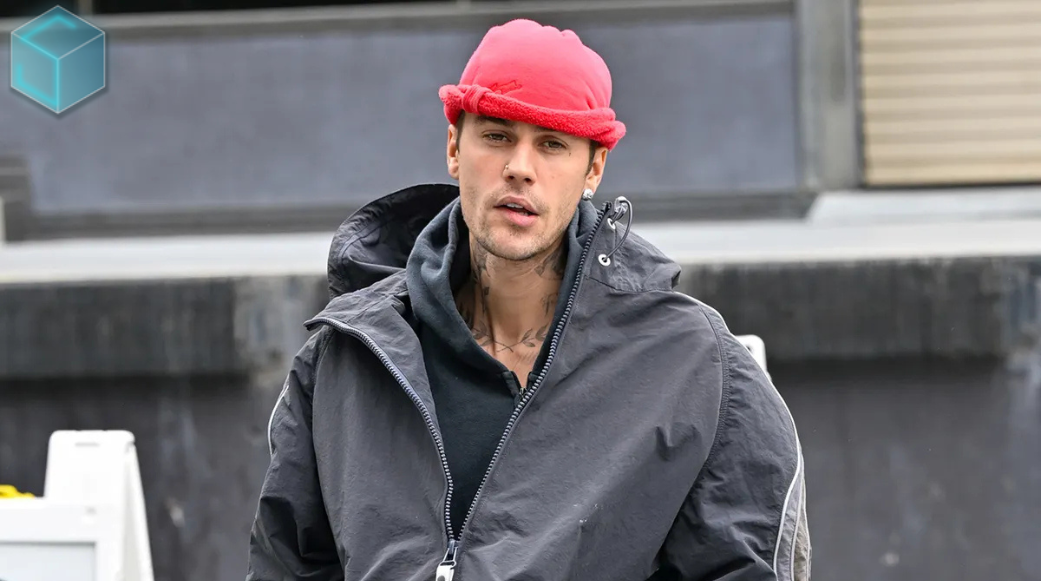
August 15, 2025
As his son Jack Blues approaches his first birthday on August 22, Justin Bieber is giving fans heartfelt glimpses into his life as a doting father. The 31-year-old superstar took to Instagram...
Read more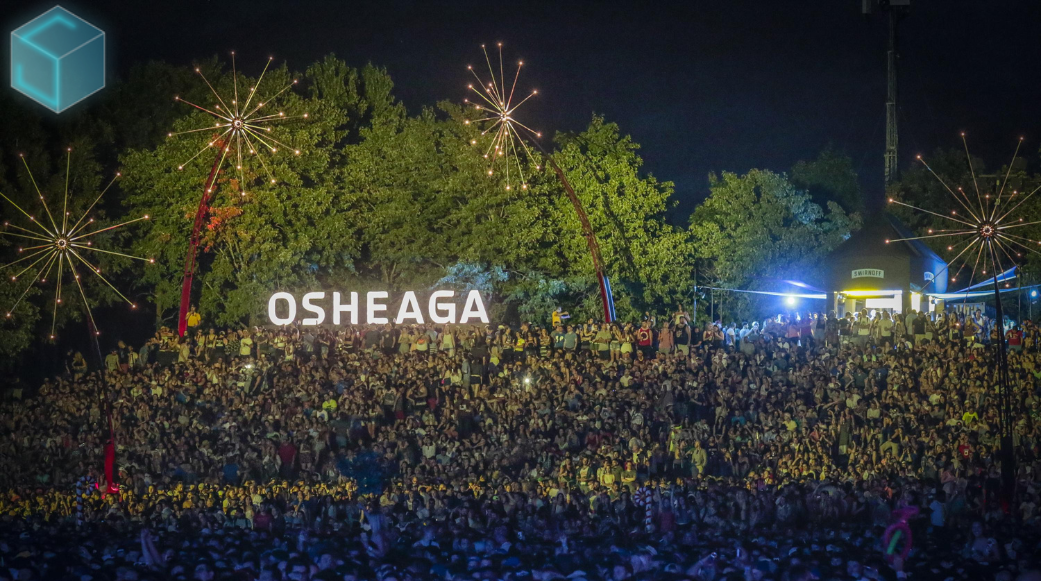
August 11, 2025
From August 1–3, Parc Jean-Drapeau wasn’t just a park, it was the main character. Osheaga 2025 rolled in with enough vibes to power your entire summer playlist, turning the city into a three-day...
Read more
August 11, 2025
In the ever-shifting world of K-pop, new groups arrive every year, but when BigHit Music announces a debut, the industry listens. Just days before BTS gears up for their long-awaited comeback, the...
Read more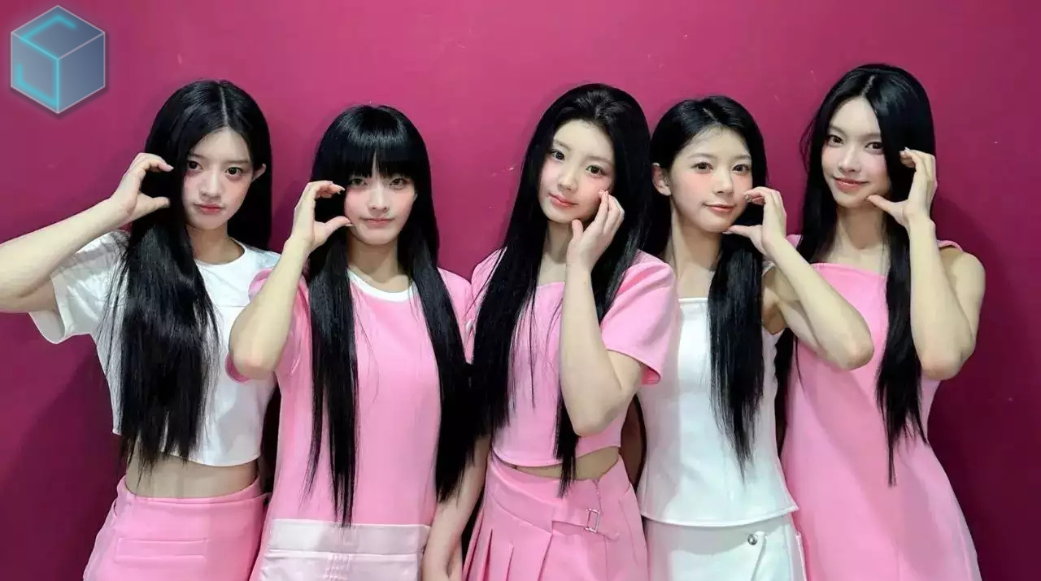
August 11, 2025
When ILLIT dropped “Billyeoon Goyangi,” they probably didn’t expect to turn TikTok into one giant dance floor, but here we are, thousands of creators spinning, twirling, and body-rolling like their...
Read more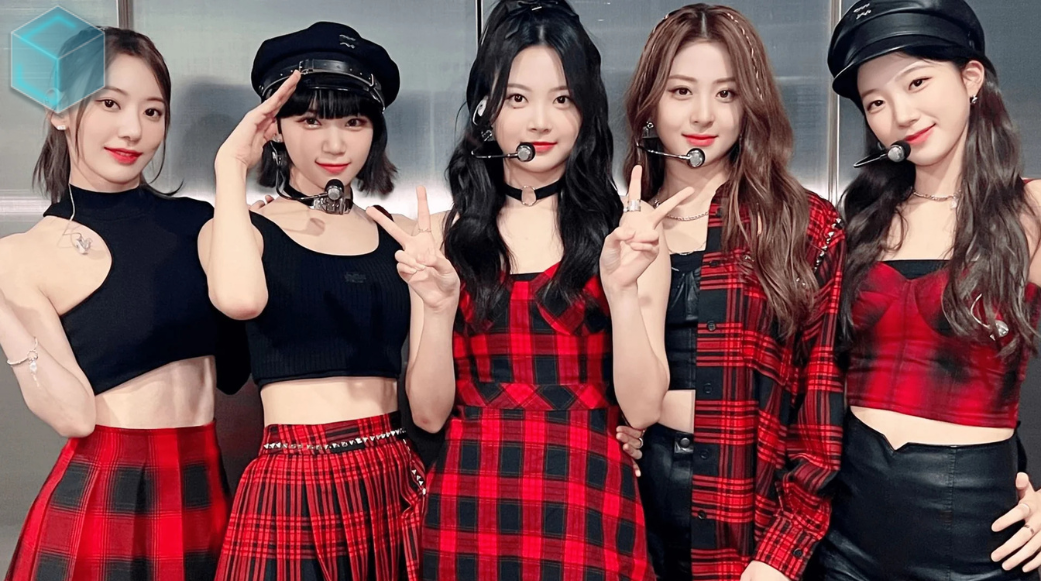
August 11, 2025
In a year where streaming milestones are harder to hit than that high note in ANTIFRAGILE, LE SSERAFIM has officially crossed 1 billion Spotify streams in 2025. The self-proclaimed fearless queens...
Read more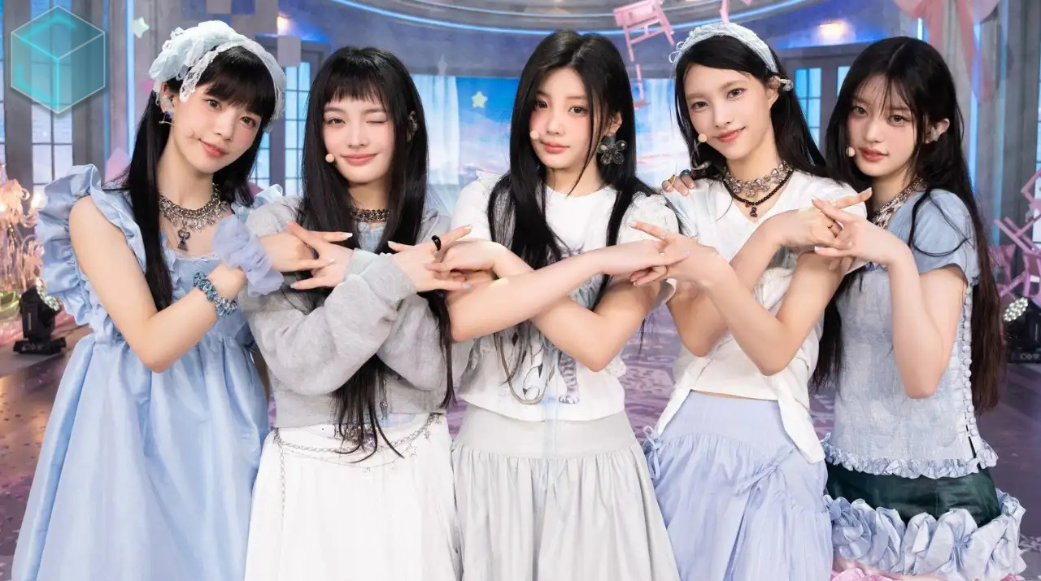
August 11, 2025
Imagine dropping your debut single and poof, you're suddenly everywhere. That’s exactly how ILLIT entered the scene with “Magnetic.” This banger didn’t just drop; it detonated, sending viral...
Read more.png)
August 11, 2025
The Soul Train Awards and Hip-Hop Awards, two cornerstone events celebrating Black music and culture, have been suspended by BET. The news was confirmed by BET CEO Scott Mills in an interview with...
Read more.png)
August 11, 2025
When Memphis rapper GloRilla's October 2024 debut album Glorious, one track left everyone talking; "Rain Down on Me," featuring gospel heavyweights Kirk Franklin, Maverick City Music, Kierra...
Read more.png)
August 11, 2025
When the Kansas City Chiefs' three-peat dreams collapsed at Super Bowl LIX, the real drama wasn't just on the field it was in Travis Kelce's VIP box where Taylor Swift and Machine Gun Kelly were...
Read more.png)
August 10, 2025
In a powerful fusion of music and philanthropy, some of today’s most celebrated artists are stepping onto the stage not just to perform, but to make a difference. Stand Up To Cancer (SU2C) returns...
Read more.png)
Not long ago, songs were built slowly. An instrumental intro would set the mood, a verse would ease listeners in, and the chorus arrived later as the reward. Today, that structure is quietly disappearing. Scroll through TikTok for a few minutes and the reason becomes obvious. Music now has only seconds to make an impact.
Short-form video has changed how listeners discover songs. Instead of hearing a full track from beginning to end, audiences often experience a single moment first, usually the most emotional or catchy part. If that moment connects, the song spreads. If it does not, listeners move on instantly.
As a result, artists are writing music differently.
Shorter Intros, Faster Impact
Many modern hits begin almost immediately with vocals or rhythm. Long intros have become rare because attention now depends on instant recognition. Producers focus on pulling listeners into the song within the first few seconds rather than slowly building anticipation.
Artists like Olivia Rodrigo, Doja Cat, and Tate McRae frequently introduce melody or emotion early, allowing audiences to connect before the listener has time to scroll away.
The Chorus Comes First
Songwriting itself has shifted. Instead of building toward a chorus, many writers now start with it. The strongest melodic idea becomes the foundation of the track, with verses designed to support that central hook.
This approach mirrors how people encounter music online. Listeners often hear the most replayed section first, which makes familiarity happen faster. Songs feel instantly recognizable because audiences meet the emotional core right away.
Designing the 15-Second Hook
Successful viral moments usually share similar traits. The melody is simple enough to remember after one listen. The rhythm loops cleanly. The vocal delivery feels expressive but easy to repeat.
Artists like Ice Spice and Sabrina Carpenter have benefited from songs built around short, repeatable moments that translate naturally into videos, edits, and trends. The goal is not complexity but memorability.
From a production perspective, this often means fewer layers and clearer focus. Strong rhythm, clean vocals, and repetition help the hook stand out when replayed again and again.
What This Means for Creators
TikTok has not reduced creativity. It has shifted where creativity begins. Instead of treating the hook as the final payoff, artists design it as the entry point.
For creators, a useful exercise is starting with a strong eight-bar idea. If that section feels engaging on repeat, the rest of the song can grow naturally around it.
The Bigger Picture
Pop music has always adapted to technology, from radio edits to streaming playlists. TikTok is simply the newest influence, encouraging artists to capture emotion faster while still creating songs that last beyond a single moment.
In today’s music landscape, sometimes fifteen seconds is enough to introduce a song to the world.
.png)


