.png)
August 5, 2025
Fujii Kaze’s “Love Like This” isn’t your average love song, it’s a shimmering, soulful glide through the kind of romance that doesn’t just sweep you off your feet, it levitates you. With effortless...
Read more.png)
August 5, 2025
Laufey’s “Lover Girl” isn’t just a song, it’s a soft, sweeping confession wrapped in strings, jazz chords, and the kind of vulnerability that makes you want to cry into your oat milk latte. With...
Read more.png)
August 5, 2025
When Saweetie hit the mic with her usual sparkle and sass, fans expected bops, but what they didn’t expect was boffum. Yes, boffum. The internet has been shaken, stirred, and straight-up meme-ified...
Read more.png)
August 5, 2025
After years of teasing, manifesting, and fans quite literally breaking down over one-song discographies, Jennie finally pulled the ultimate main character move, she dropped a full solo album. No...
Read more.png)
August 5, 2025
In a heartfelt social media post, Freese explained that his decision to leave Nine Inch Nails was one of the hardest of his career. At the time, he and his wife were expecting their third child...
Read more.png)
August 5, 2025
Meet Ty Myers, a teen from Texas who is transforming the concept of a country performer in 2025, music fans. Honky-tonk roots, modest ambition, and a popular TikTok moment from 2023 inspired his...
Read more.png)
August 5, 2025
Demi Lovato is back in the pop scene with her latest single, “Fast,” which brings her back to the club-ready, EDM-infused beats that fans loved in hits like “Cool for the Summer” and...
Read more
August 1, 2025
a deeper heartbeat emerged beneath the surface: the voice of Rumi— performed and co-written by the Korean-American singer-songwriter Ejae.
Read more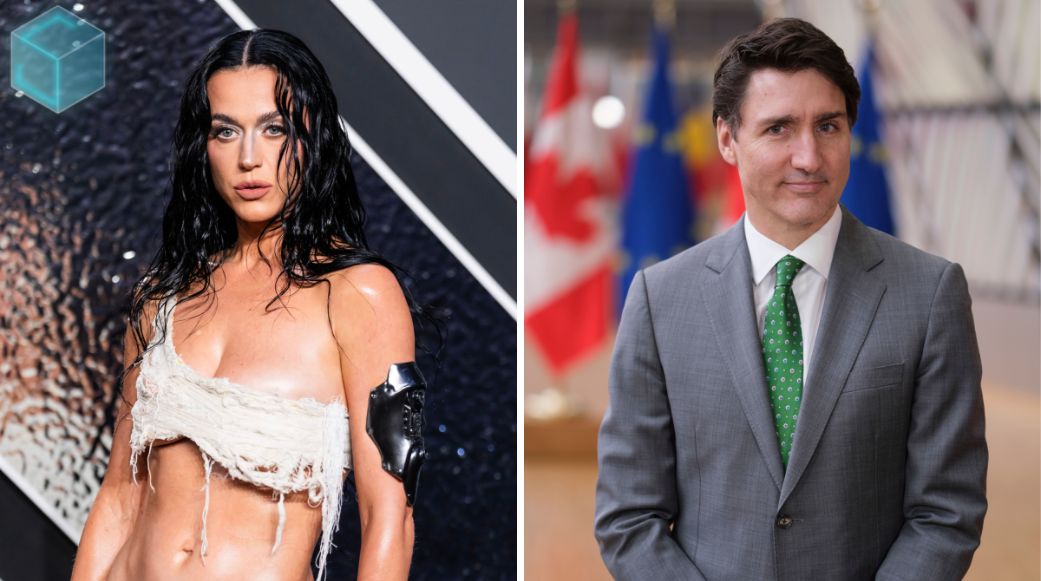
August 1, 2025
Former Canadian PM and pop star fuel speculation following her split from Orlando BloomFormer Canadian Prime Minister Justin Trudeau became the unexpected star of Katy Perry’s Montreal concert this...
Read more.png)
August 1, 2025
The dust has settled on Lollapalooza’s lineup announcement, and the message is clear: the 34-year-old festival isn’t resting on its laurels. With a single Instagram post, organizers simultaneously...
Read more.png)
July 31, 2025
When the White House repurposed a popular Jet2 Holidays meme video featuring Jess Glynne's hit "Hold My Hand" to highlight ICE deportations, the backlash was immediate and loud. “This post honestly...
Read more.png)
July 31, 2025
The silence that followed my mother’s words felt like the weight of the world pressing in on me. I was 17, but in that moment, I felt small, like that eight-year-old kid again, curled up in my...
Read more.png)
Sony Music, the world's largest music publisher, has taken a significant stance in the ongoing debate over artificial intelligence (AI) and copyright. Recently, Sony has sent letters to major tech companies, including Google, Microsoft, and OpenAI, demanding transparency regarding the use of its songs to train AI systems. Representing prominent artists like Beyoncé and Adele, Sony Music is prohibiting the unauthorized use of its catalog for AI development or profit. The letters, sent to over 700 firms, express Sony’s suspicion that some companies may already be using its music without permission, emphasizing the company's readiness to enforce its copyrights to the fullest extent permitted by law, including leveraging the forthcoming EU AI Act.
This move by Sony highlights a broader concern within the creative industries about the data used to train AI systems. AI tools, such as chatbots and music generators, rely on vast amounts of data, which often includes copyrighted materials. Sony Music's complaint underscores the need for transparency in how AI systems are trained, particularly when it involves potentially copyrighted content. Google and OpenAI, among others, have developed AI capable of generating music, yet the specifics of the training data remain undisclosed. Sony’s letter demands detailed accounts of any songs used, how they were accessed, the existence and duration of copies made, and the justification for such copies, signaling a push towards more stringent licensing agreements for future use.
The legal landscape surrounding AI and copyright is still evolving, with significant implications for both the technology and creative sectors. In the EU and the US, there is ongoing debate over whether using copyrighted content to train AI constitutes infringement or falls under fair use and temporary copying exceptions. Legal experts, like Nana Nwachukwu from AI ethics firm Saidot, suggest that current EU rules might classify such training as infringement, although exceptions exist for lawful access and public domain content. The forthcoming EU AI Act will enforce stricter documentation and transparency requirements for AI models, potentially reshaping how AI firms utilize copyrighted materials. This issue is also being tested in US courts, with high-profile cases involving authors and musicians challenging the use of their work in AI training. Sony Music’s proactive stance could thus set a precedent for how the music industry navigates the intersection of AI and intellectual property rights.
.png)


