August 19, 2025
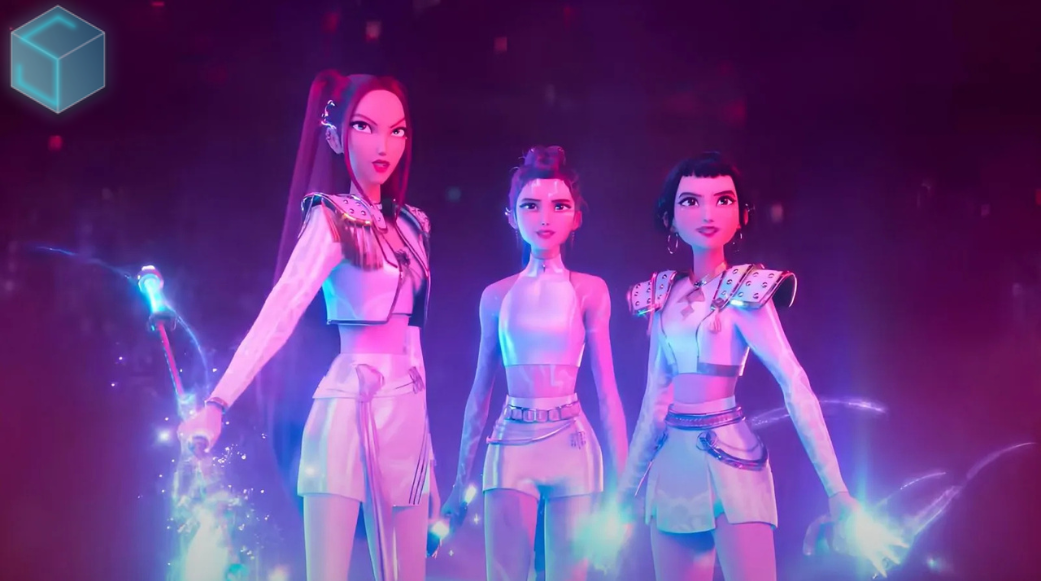
“Your Idol” stands out in Kpop Demon Hunters not just as a catchy track, but as one of the most self-aware songs in the whole project. At first listen, it has all the hallmarks of a classic K-pop...
Read more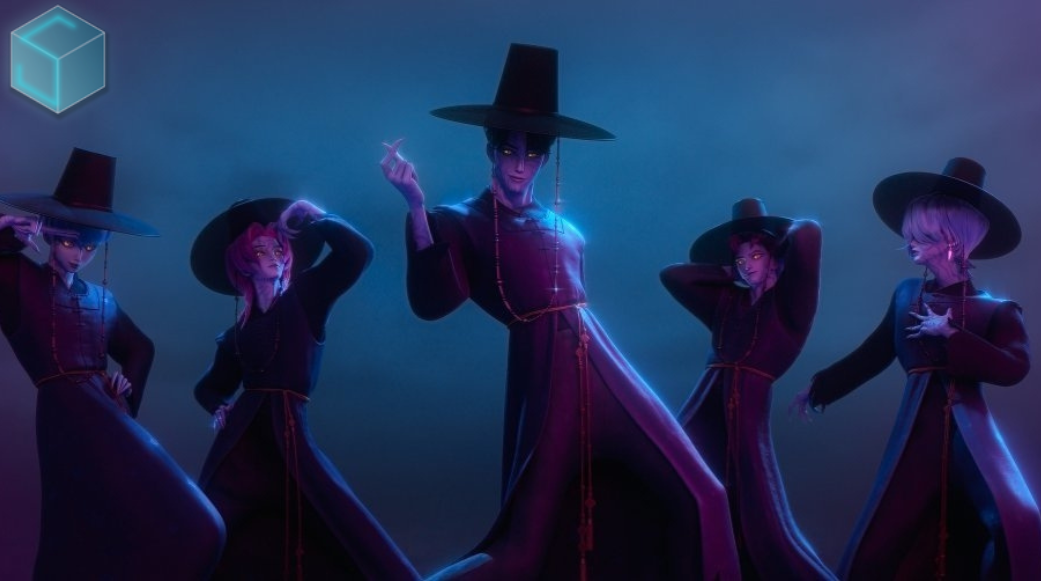
August 19, 2025
If you’ve scrolled TikTok, Insta, or literally any corner of the internet in the past few weeks, you’ve probably heard it: the fizzy, feel-good bop known as “Soda Pop” by the Saja Boys. Straight...
Read more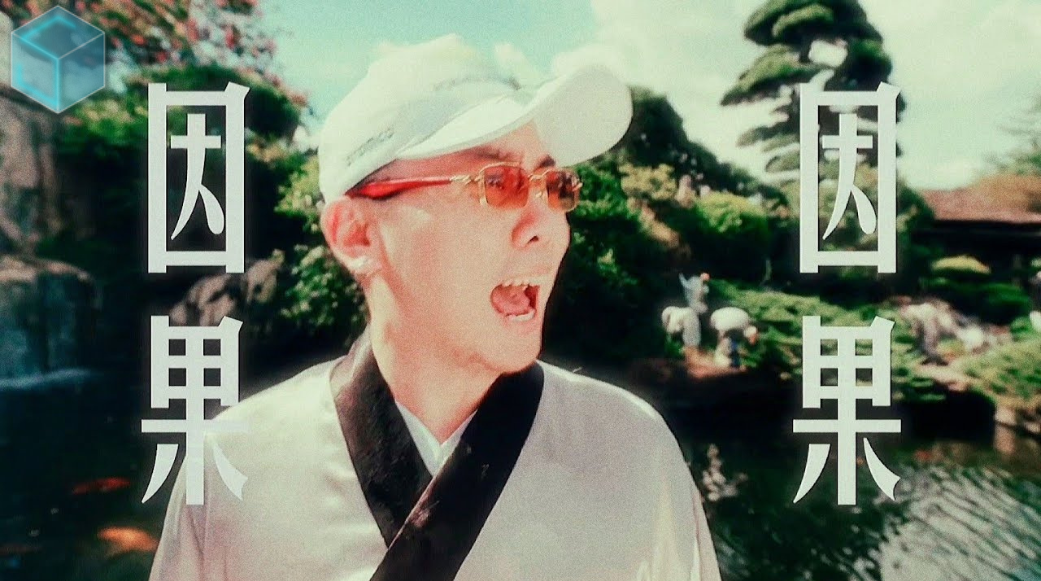
August 19, 2025
Skai Is Yourgod didn’t just drop a song, he dropped a cultural grenade. His track “Stacks From All Sides” has taken TikTok by storm, and the secret sauce? A cheeky little sample from Beetle on...
Read more
August 19, 2025
After 70 weeks at No. 1 with “Too Sweet,” Hozier’s reign on Billboard’s Hot Rock Songs chart comes to an end as newcomer Sombr takes over with...
Read more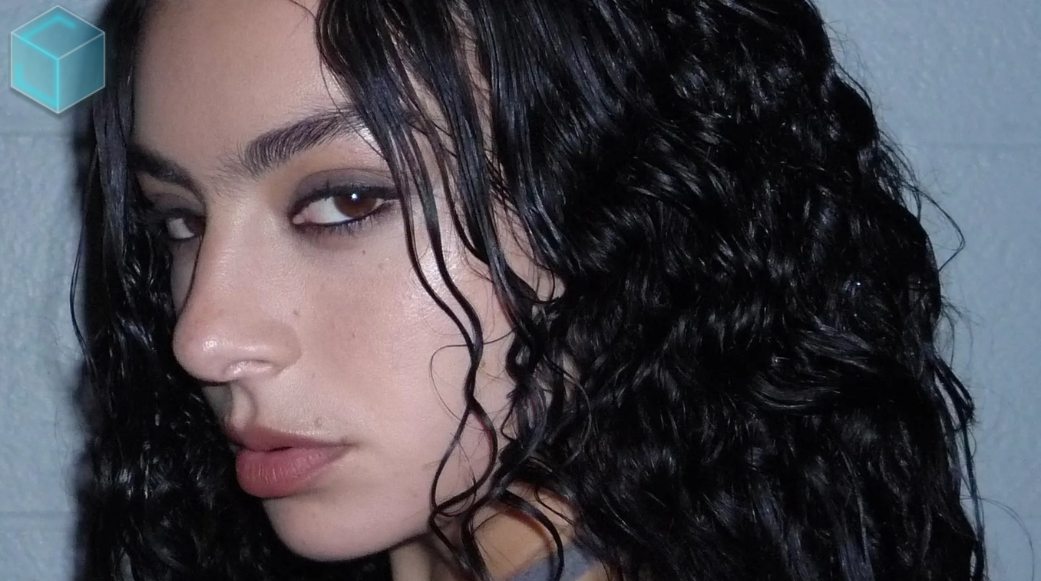
August 19, 2025
Charli XCX brought her groundbreaking Brat era to a poignant close Friday night during an electrifying performance at South Korea's One Universe Festival. The pop innovator marked the final...
Read more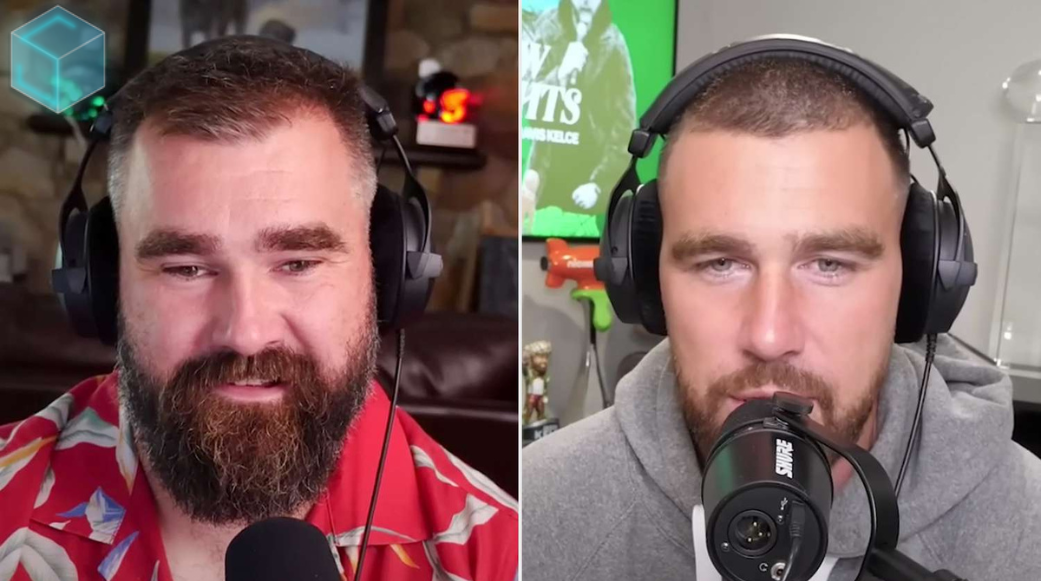
August 19, 2025
Taylor Swift’s appearance on Travis and Jason Kelce’s New Heights podcast drew 1.3M live viewers, breaking YouTube records and sparking buzz with details about her new album The Life of a...
Read more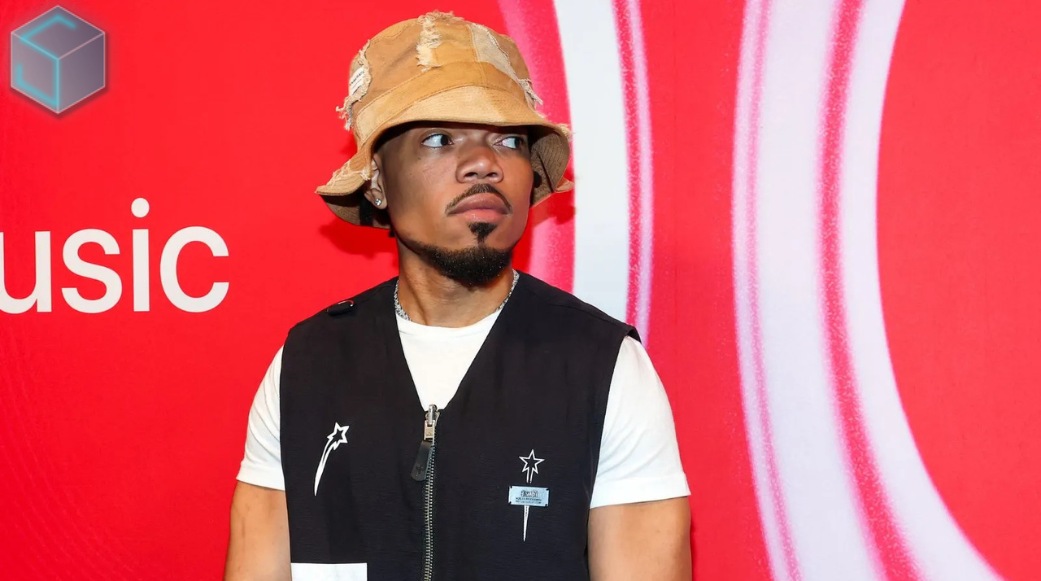
August 19, 2025
After a six-year silence, Chance the Rapper is officially back. On August 15, 2025, he will drop his sophomore album, Star Line, marking a new chapter filled with growth, travel, and creative...
Read more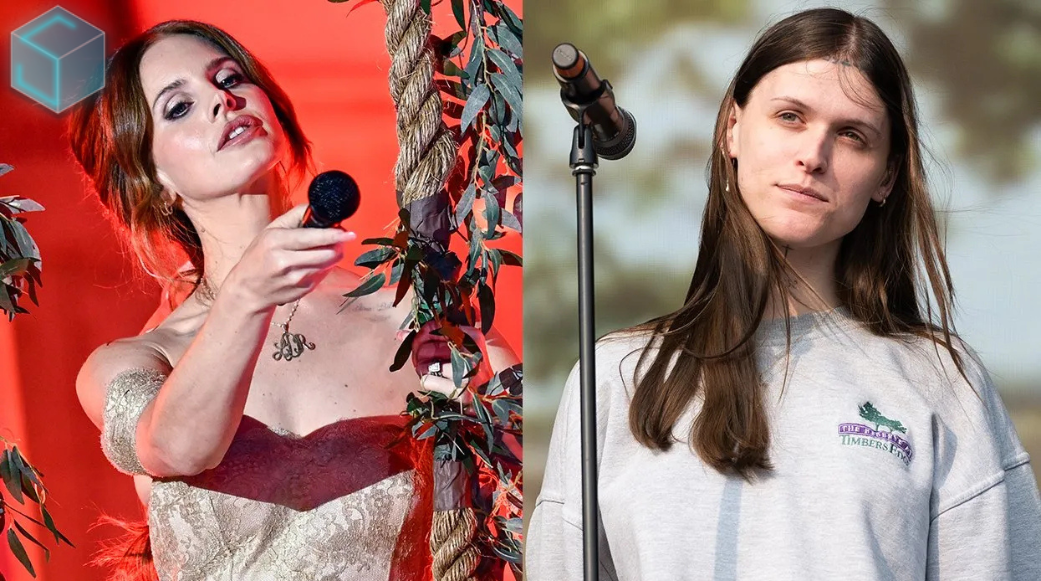
August 19, 2025
Lana Del Rey’s new song takes aim at Ethel Cain, referencing an alleged personal rift involving Instagram posts, a mutual ex, and behind-the-scenes remarks...
Read more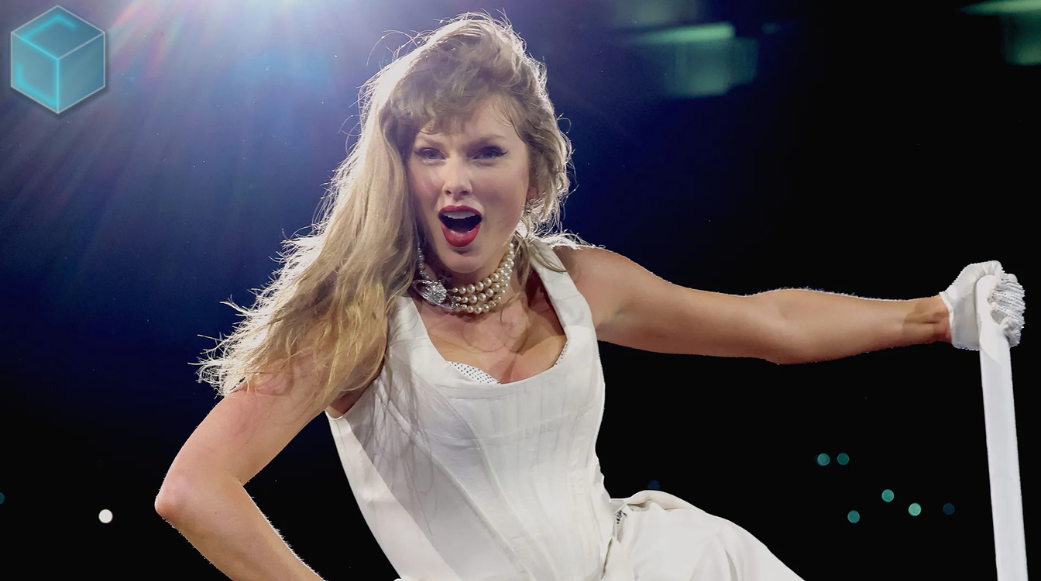
August 15, 2025
The music industry collectively lost its composure when Taylor Swift announced her twelfth studio album The Life of a Showgirl, with everyone from Sabrina Carpenter to Caitlin Clark publicly...
Read more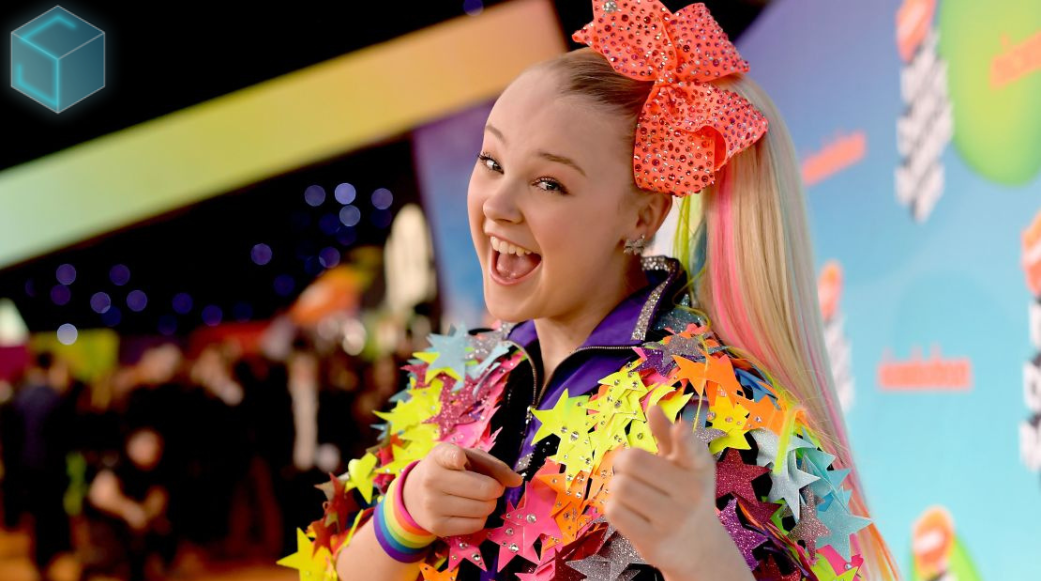
August 15, 2025
One of the most talked-about musical moments of the summer is JoJo Siwa's recent rendition of the 1981 classic "Bette Davis Eyes." On July 11, she shared her retro-style rendition, sparking intense...
Read more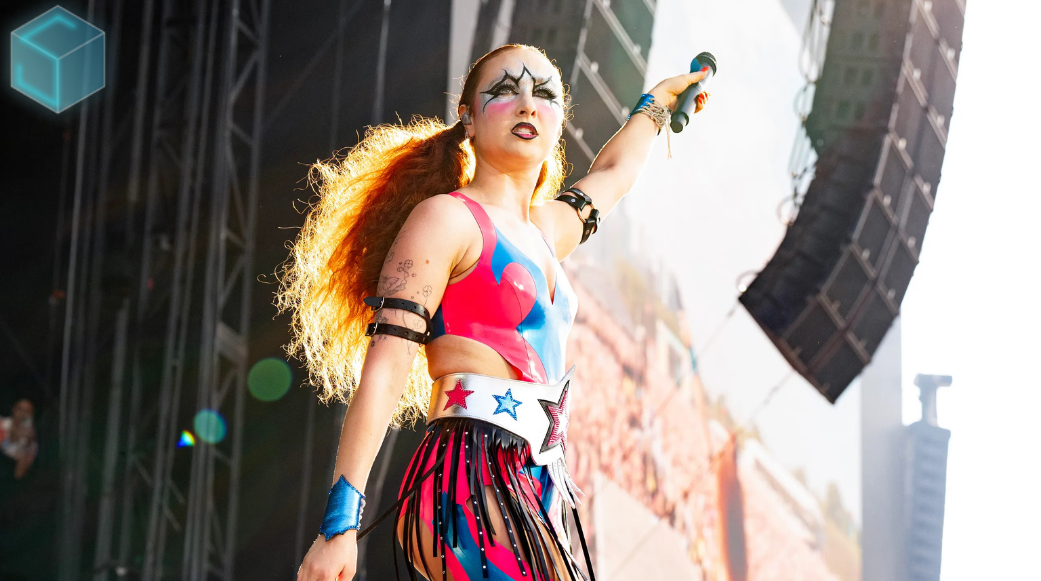
August 15, 2025
Chappell Roan is keeping fans guessing about her sophomore album, admitting she has "no idea" what direction her new music will take. In a revealing interview with Apple Music 1's Zane Lowe, the...
Read more
August 15, 2025
In a candid new interview with GQ, Kansas City Chiefs tight end Travis Kelce is pulling back the curtain on his relationship with pop superstar Taylor Swift. The NFL star revealed intimate details...
Read more.png)
Sampling has been a cornerstone of modern music production, allowing producers to reimagine and breathe new life into old tracks. Whether you're producing hip-hop, EDM, or any genre, knowing how to sample professionally can unlock creative potential. However, sampling comes with its challenges, especially when it comes to avoiding legal pitfalls. In this article, we’ll explore the best practices for flipping samples while staying on the right side of copyright law.
At its core, sampling is the act of taking a portion of a sound recording (often a piece of a song) and reusing it in a new composition. This can include drums, melodies, or even vocal snippets. Some famous artists like Kanye West and J Dilla built iconic beats using this technique.
Example: Kanye West famously flipped a sample of Chaka Khan's “Through the Fire” for his track "Through the Wire," creating an entirely new vibe while still maintaining the essence of the original track.
When flipping a sample, creativity is key. The more you transform the original sample, the less it resembles the original recording, reducing the risk of legal issues. This could involve time-stretching, pitch-shifting, chopping, or rearranging the sample in a way that makes it feel entirely fresh.
Pro Tip: Madlib is a perfect example of a producer who transforms samples in intricate and unrecognizable ways. His ability to manipulate and deconstruct sounds is a major factor behind his unique production style.
While creativity is essential, it’s also important to be aware of the legalities surrounding sampling. Copyright laws protect the intellectual property of the original creators. Unauthorized sampling could result in legal disputes, leading to lawsuits, fines, or removal of your work from streaming platforms.
If you decide to use a recognizable sample, you must seek permission from the original copyright holders. This process is known as “clearing” a sample, and it typically involves contacting both the owner of the recording (usually a record label) and the owner of the composition (usually a songwriter or publishing company).
Example: In 2020, Nicki Minaj famously cleared a Tracy Chapman sample for her song “Sorry.” Chapman initially denied permission, but Minaj negotiated after the fact to settle the legal case amicably.
If you don’t want to deal with the headache of clearing samples, using royalty-free sample packs is a great alternative. These packs are created specifically for producers to use in their music without any legal complications. Websites like Splice, Loopmasters, and Sounds.com offer a wide variety of samples you can use legally.
Tip: Many modern producers, including Illmind, create and sell sample packs that can be used without needing to clear them. This method gives you access to professional-quality sounds without legal concerns.
Another legal way to sample is by using sounds or music in the public domain. Music that’s over 70 years old is typically considered public domain, meaning you can sample it without needing permission. This is a treasure trove of opportunity, especially for flipping vintage recordings.
Sampling can be one of the most creatively rewarding aspects of music production. However, doing it legally and thoughtfully is key to avoiding potential legal issues. Whether you're transforming a recognizable song or starting with royalty-free loops, understanding the rules will keep your creativity flowing while protecting your music career. Following the path of sampling pros like Kanye West, Madlib, or Illmind will help you push boundaries and create something truly unique.
Takeaway: Sampling is an art, but with great power comes great responsibility. Make sure to transform your samples creatively, clear recognizable tracks, or use royalty-free packs. This will allow you to create music that stands out while staying legally sound.
.png)


