
August 19, 2025
“Your Idol” stands out in Kpop Demon Hunters not just as a catchy track, but as one of the most self-aware songs in the whole project. At first listen, it has all the hallmarks of a classic K-pop...
Read more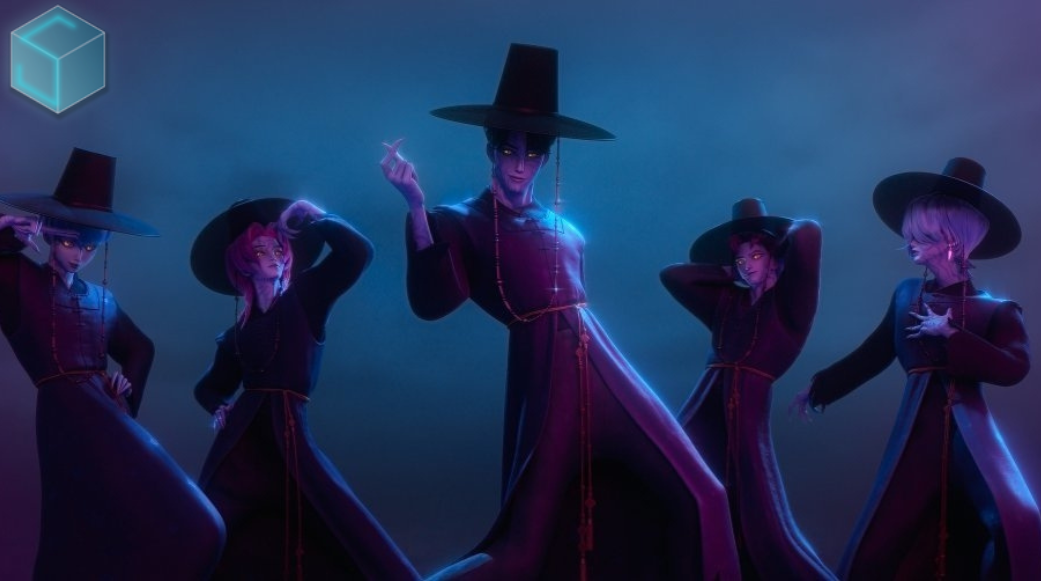
August 19, 2025
If you’ve scrolled TikTok, Insta, or literally any corner of the internet in the past few weeks, you’ve probably heard it: the fizzy, feel-good bop known as “Soda Pop” by the Saja Boys. Straight...
Read more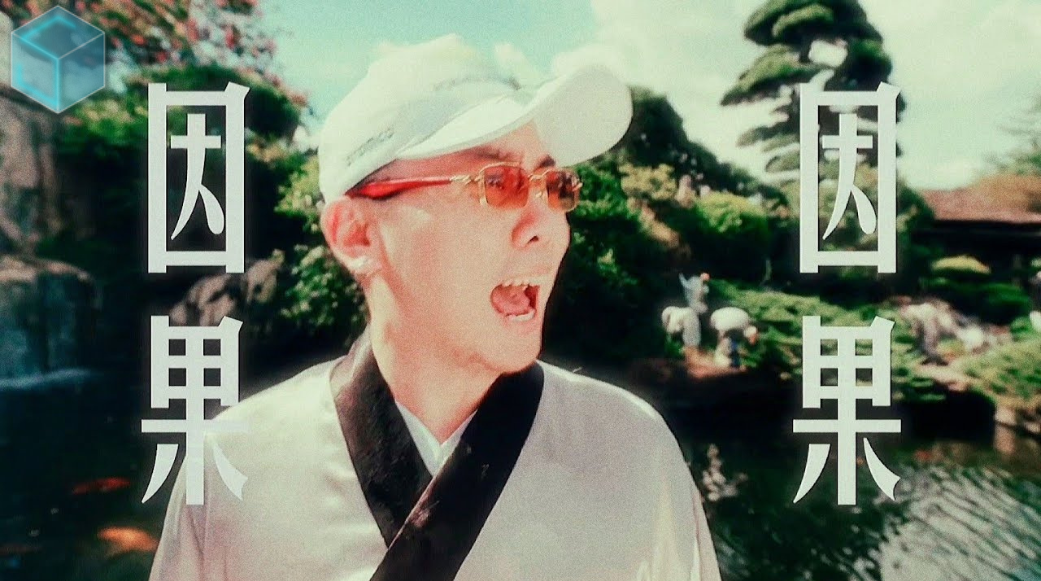
August 19, 2025
Skai Is Yourgod didn’t just drop a song, he dropped a cultural grenade. His track “Stacks From All Sides” has taken TikTok by storm, and the secret sauce? A cheeky little sample from Beetle on...
Read more
August 19, 2025
After 70 weeks at No. 1 with “Too Sweet,” Hozier’s reign on Billboard’s Hot Rock Songs chart comes to an end as newcomer Sombr takes over with...
Read more
August 19, 2025
Charli XCX brought her groundbreaking Brat era to a poignant close Friday night during an electrifying performance at South Korea's One Universe Festival. The pop innovator marked the final...
Read more
August 19, 2025
Taylor Swift’s appearance on Travis and Jason Kelce’s New Heights podcast drew 1.3M live viewers, breaking YouTube records and sparking buzz with details about her new album The Life of a...
Read more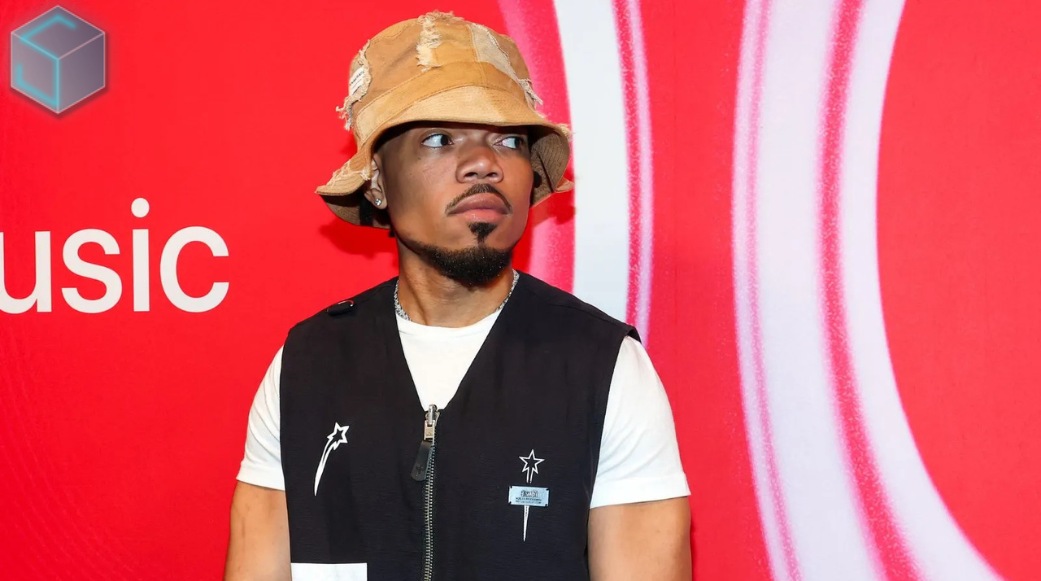
August 19, 2025
After a six-year silence, Chance the Rapper is officially back. On August 15, 2025, he will drop his sophomore album, Star Line, marking a new chapter filled with growth, travel, and creative...
Read more
August 19, 2025
Lana Del Rey’s new song takes aim at Ethel Cain, referencing an alleged personal rift involving Instagram posts, a mutual ex, and behind-the-scenes remarks...
Read more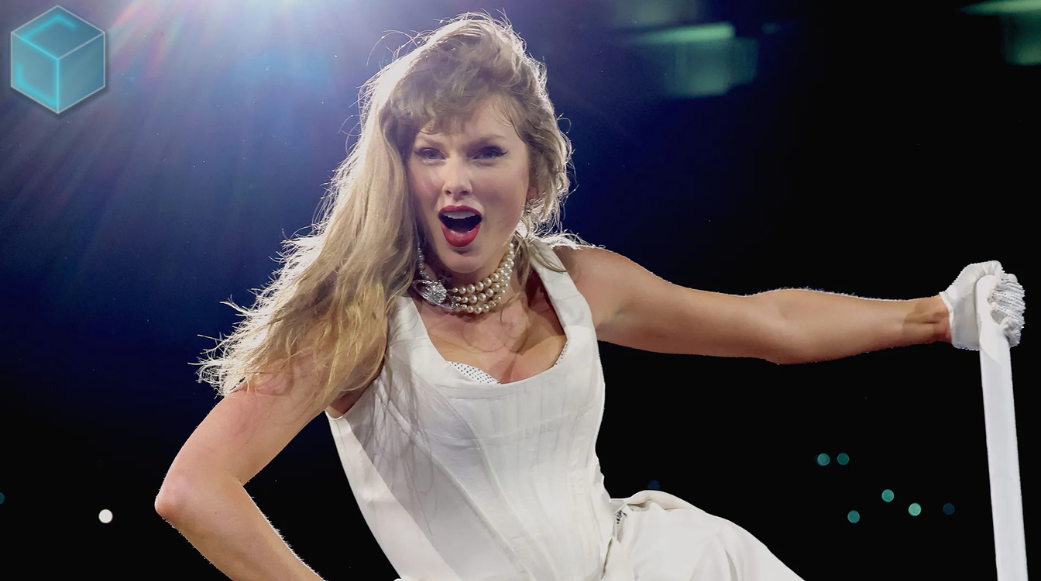
August 15, 2025
The music industry collectively lost its composure when Taylor Swift announced her twelfth studio album The Life of a Showgirl, with everyone from Sabrina Carpenter to Caitlin Clark publicly...
Read more
August 15, 2025
One of the most talked-about musical moments of the summer is JoJo Siwa's recent rendition of the 1981 classic "Bette Davis Eyes." On July 11, she shared her retro-style rendition, sparking intense...
Read more
August 15, 2025
Chappell Roan is keeping fans guessing about her sophomore album, admitting she has "no idea" what direction her new music will take. In a revealing interview with Apple Music 1's Zane Lowe, the...
Read more
August 15, 2025
In a candid new interview with GQ, Kansas City Chiefs tight end Travis Kelce is pulling back the curtain on his relationship with pop superstar Taylor Swift. The NFL star revealed intimate details...
Read more.png)
Quincy Jones, the legendary music titan, has left us at 91, but his spirit endures through every note, melody, and rhythm he touched. From his groundbreaking production on Michael Jackson’s Thriller to his soulful film scores and collaborations with icons like Frank Sinatra and Ray Charles, Quincy wasn’t just a musician—he was a cultural architect who reshaped the landscape of music. His passing leaves a profound void, yet his legacy shines brightly as a guide for future generations.
Jones had an unparalleled ability to transcend genres, blending jazz, rock, funk, pop, and African rhythms in ways that transformed global music. Albums like Thriller weren’t just records; they were movements that changed the world. He didn’t just create sounds; he created universes that resonated across every boundary, making his music feel both deeply personal and universally grand.
Jones’ career was defined by his collaborations with the most talented voices and musicians of the 20th century. He brought out the best in everyone he worked with, from Michael Jackson to Eddie Van Halen. Beyond talent, he shared a profound belief in nurturing others’ gifts. His role wasn’t just to produce a song but to guide, inspire, and amplify the voices of those he worked with.
His sessions weren’t just about music; they were about learning, connecting, and pushing boundaries together. In every collaboration, Jones displayed an open-hearted approach that allowed each artist to soar while staying grounded in their craft.
With Off the Wall, Thriller, and Bad, Jones didn’t just produce albums—he set standards that the music industry still aspires to. Each song was a labor of love and detail, reflecting his commitment to perfection. His work wasn’t content with merely “good”; Quincy’s productions redefined what it meant to be great. His pursuit of excellence raised the bar, forever altering the music landscape.
In the words of Lionel Richie, Jones was “the master orchestrator,” ensuring every element—from lyrics to melody—served the music’s larger vision. It’s this dedication that makes his work timeless, transcending generations.
Jones’ impact extended far beyond his songs. With We Are the World, he mobilized some of the biggest names in music to raise millions for African famine relief. His efforts showed that music could be more than entertainment; it could be a call to action, a way to unite people, and a powerful force for change. Quincy didn’t just make music—he used it to change lives, creating a legacy of compassion and unity.
Quincy’s life story is one of overcoming hardship and prejudice, from his early years in Chicago to breaking through Hollywood’s racial barriers as one of the first Black music executives. His journey was far from easy, and his resilience in the face of adversity is perhaps one of his greatest achievements. He lived and breathed music, yet he understood the importance of navigating the “music business,” a world not always kind to Black artists. He showed that resilience, adaptability, and strength of spirit are just as vital as talent.
Jones’ influence reaches across every corner of the music world, touching jazz, R&B, pop, hip-hop, and film. As a mentor, producer, executive, and pioneer, he became a symbol of what’s possible. His passion, compassion, and respect for music and those who make it have inspired countless creators to dream bigger and push harder.
Quincy Jones’ life and work embody lessons that every aspiring musician can cherish. His legacy teaches us to honor our passions fiercely, to respect the artistry of others, and to be bold enough to innovate while staying true to who we are. Quincy showed us that music can be a powerful force—one that uplifts, heals, and transforms. Though he may be gone, his voice, his spirit, and his extraordinary contributions will resonate in the heartbeats of music creators everywhere. As we remember and celebrate his life, may his story inspire us to create boldly, love deeply, and leave a legacy as meaningful as his.
.png)


