
August 15, 2025
At exactly 12:12 a.m. Tuesday, Taylor Swift revealed her 12th studio album, The Life of a Showgirl, via her official website. The announcement came as a countdown timer hit zero, setting off a wave...
Read more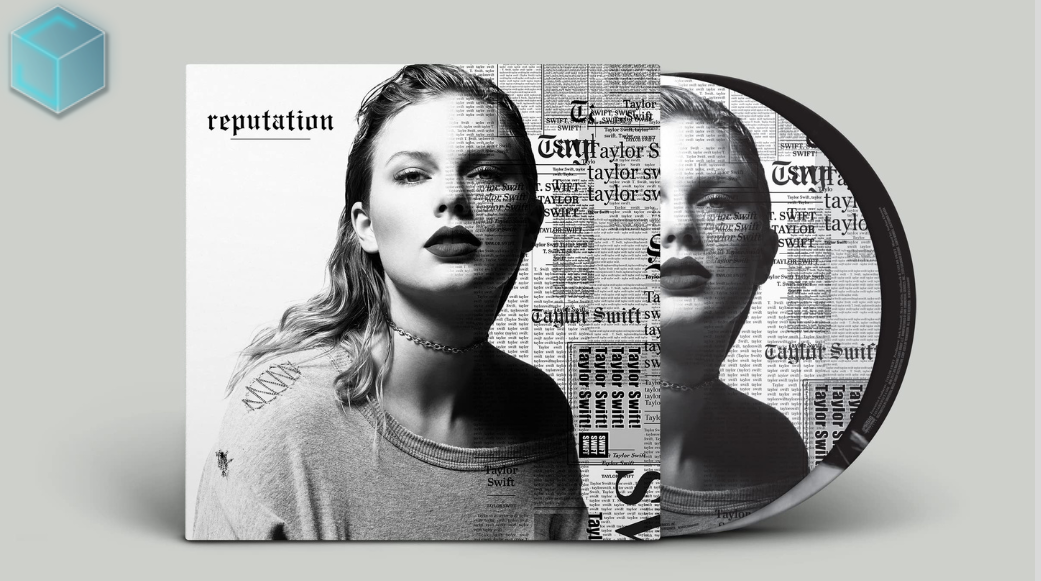
August 15, 2025
Taylor Swift fans are buzzing after longtime collaborator Joseph Kahn revealed that the singer filmed — but never released — a music video for her Reputation track “King of My Heart” nearly a...
Read more
August 15, 2025
As his son Jack Blues approaches his first birthday on August 22, Justin Bieber is giving fans heartfelt glimpses into his life as a doting father. The 31-year-old superstar took to Instagram...
Read more
August 11, 2025
From August 1–3, Parc Jean-Drapeau wasn’t just a park, it was the main character. Osheaga 2025 rolled in with enough vibes to power your entire summer playlist, turning the city into a three-day...
Read more
August 11, 2025
In the ever-shifting world of K-pop, new groups arrive every year, but when BigHit Music announces a debut, the industry listens. Just days before BTS gears up for their long-awaited comeback, the...
Read more
August 11, 2025
When ILLIT dropped “Billyeoon Goyangi,” they probably didn’t expect to turn TikTok into one giant dance floor, but here we are, thousands of creators spinning, twirling, and body-rolling like their...
Read more
August 11, 2025
In a year where streaming milestones are harder to hit than that high note in ANTIFRAGILE, LE SSERAFIM has officially crossed 1 billion Spotify streams in 2025. The self-proclaimed fearless queens...
Read more
August 11, 2025
Imagine dropping your debut single and poof, you're suddenly everywhere. That’s exactly how ILLIT entered the scene with “Magnetic.” This banger didn’t just drop; it detonated, sending viral...
Read more.png)
August 11, 2025
The Soul Train Awards and Hip-Hop Awards, two cornerstone events celebrating Black music and culture, have been suspended by BET. The news was confirmed by BET CEO Scott Mills in an interview with...
Read more.png)
August 11, 2025
When Memphis rapper GloRilla's October 2024 debut album Glorious, one track left everyone talking; "Rain Down on Me," featuring gospel heavyweights Kirk Franklin, Maverick City Music, Kierra...
Read more.png)
August 11, 2025
When the Kansas City Chiefs' three-peat dreams collapsed at Super Bowl LIX, the real drama wasn't just on the field it was in Travis Kelce's VIP box where Taylor Swift and Machine Gun Kelly were...
Read more.png)
August 10, 2025
In a powerful fusion of music and philanthropy, some of today’s most celebrated artists are stepping onto the stage not just to perform, but to make a difference. Stand Up To Cancer (SU2C) returns...
Read more.png)
If you’ve been mixing music for a while, you’ve probably heard about Spotify’s big update: lossless streaming is finally here. That means Premium users can now listen to songs in full-quality FLAC, files that preserve every detail of the original mix. No more heavy compression or missing frequencies that get squashed in MP3s.
So, what does this mean for you as a music producer or a mixer just starting?
In the old days, most people heard your mix through highly compressed audio. MP3s and low-quality streams smoothed out small details — often hiding mixing mistakes. Now, lossless audio brings back all those tiny nuances. Every reverb tail, panning choice, and EQ adjustment is suddenly audible.
That’s great news if your mix is clean. But it also means flat, over-compressed songs will sound harsh or “fatiguing.” Listeners can now tell when a song’s been pushed too far in the volume race.
Two key terms you’ll hear a lot now are headroom and dynamic range.
With lossless audio, preserving those shifts in loudness creates a richer, more natural experience. So instead of squashing your limiter for maximum loudness, aim for dynamics that make your song move.
Modern mixing tools can make this easier. For example, plugins that use transparent compressors, transient shapers, or multiband limiters help you keep transient clarity and the precise snap of a drum hit or the breath before a vocal line.
Since lossless formats like 24-bit/44.1 kHz FLAC can reproduce these details faithfully, paying attention to your transients now matters more than ever. Your listeners will hear every bit of your precision.
The “Loudness Wars” are fading as platforms normalize volume and reward clean, dynamic mixes. This shift to higher fidelity means mixing with care is finally the winning strategy. Focus less on being loud and more on being clear!
.png)


