August 19, 2025
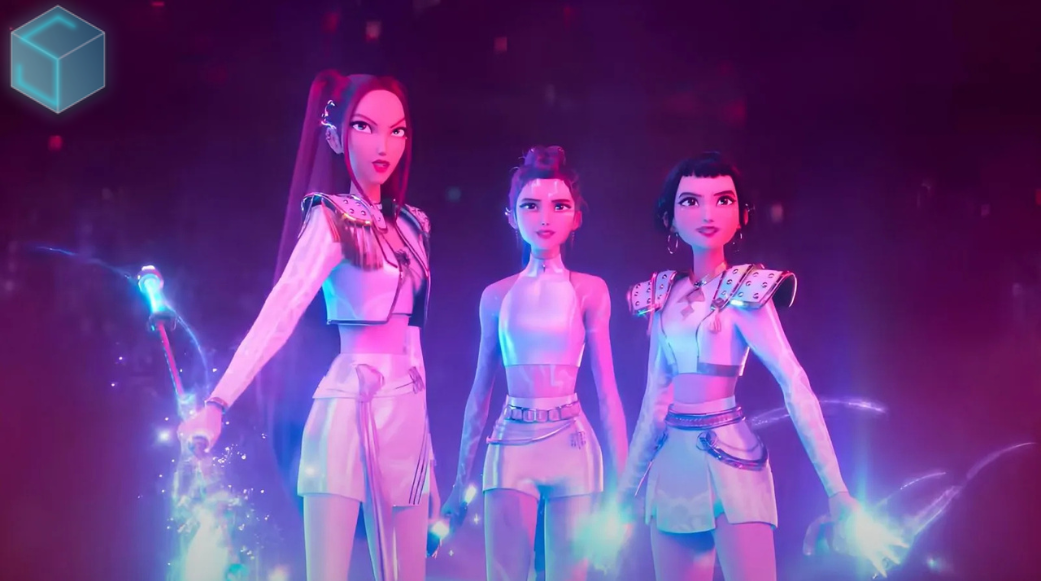
“Your Idol” stands out in Kpop Demon Hunters not just as a catchy track, but as one of the most self-aware songs in the whole project. At first listen, it has all the hallmarks of a classic K-pop...
Read more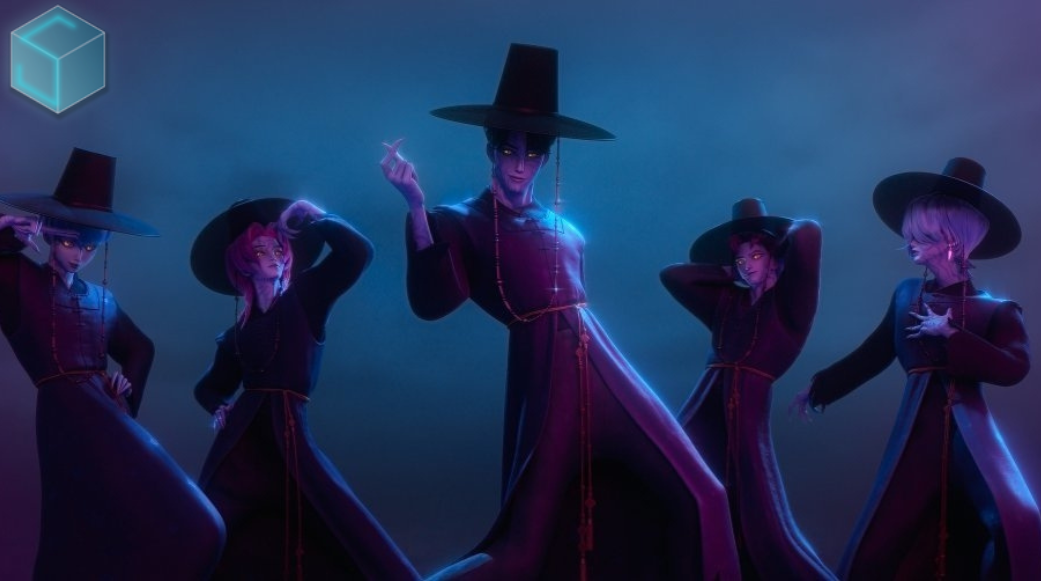
August 19, 2025
If you’ve scrolled TikTok, Insta, or literally any corner of the internet in the past few weeks, you’ve probably heard it: the fizzy, feel-good bop known as “Soda Pop” by the Saja Boys. Straight...
Read more
August 19, 2025
Skai Is Yourgod didn’t just drop a song, he dropped a cultural grenade. His track “Stacks From All Sides” has taken TikTok by storm, and the secret sauce? A cheeky little sample from Beetle on...
Read more
August 19, 2025
After 70 weeks at No. 1 with “Too Sweet,” Hozier’s reign on Billboard’s Hot Rock Songs chart comes to an end as newcomer Sombr takes over with...
Read more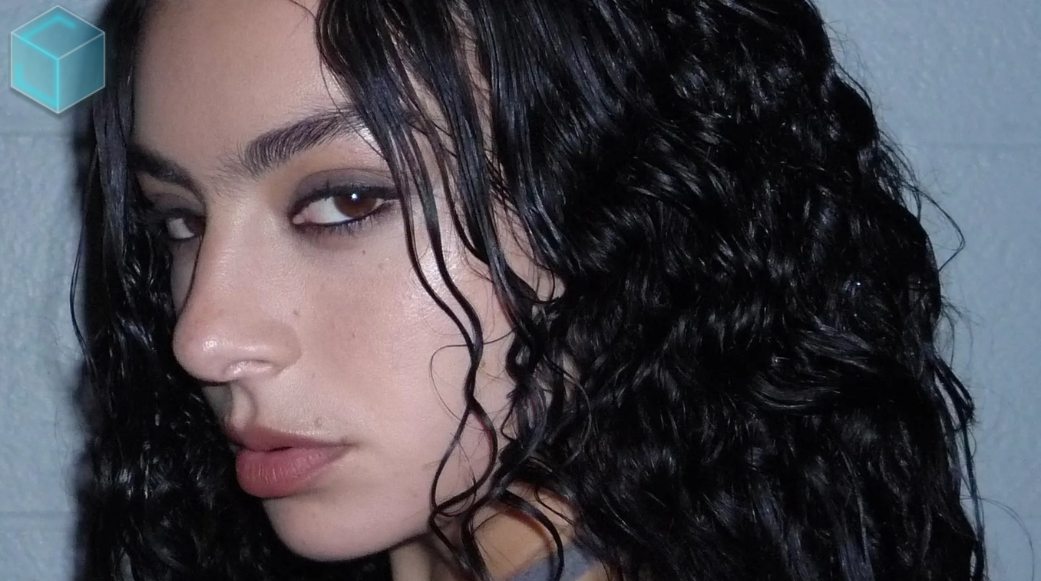
August 19, 2025
Charli XCX brought her groundbreaking Brat era to a poignant close Friday night during an electrifying performance at South Korea's One Universe Festival. The pop innovator marked the final...
Read more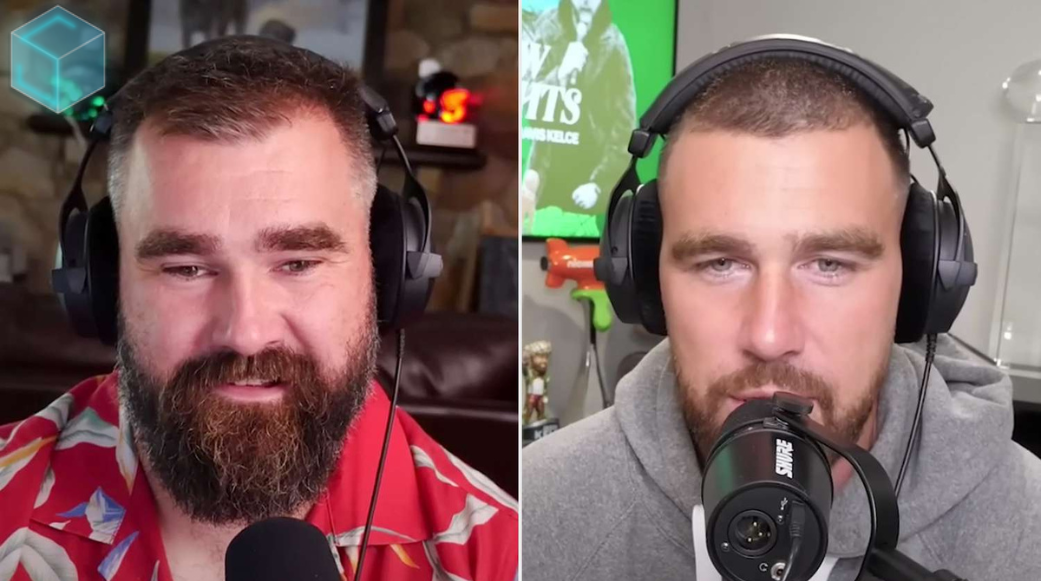
August 19, 2025
Taylor Swift’s appearance on Travis and Jason Kelce’s New Heights podcast drew 1.3M live viewers, breaking YouTube records and sparking buzz with details about her new album The Life of a...
Read more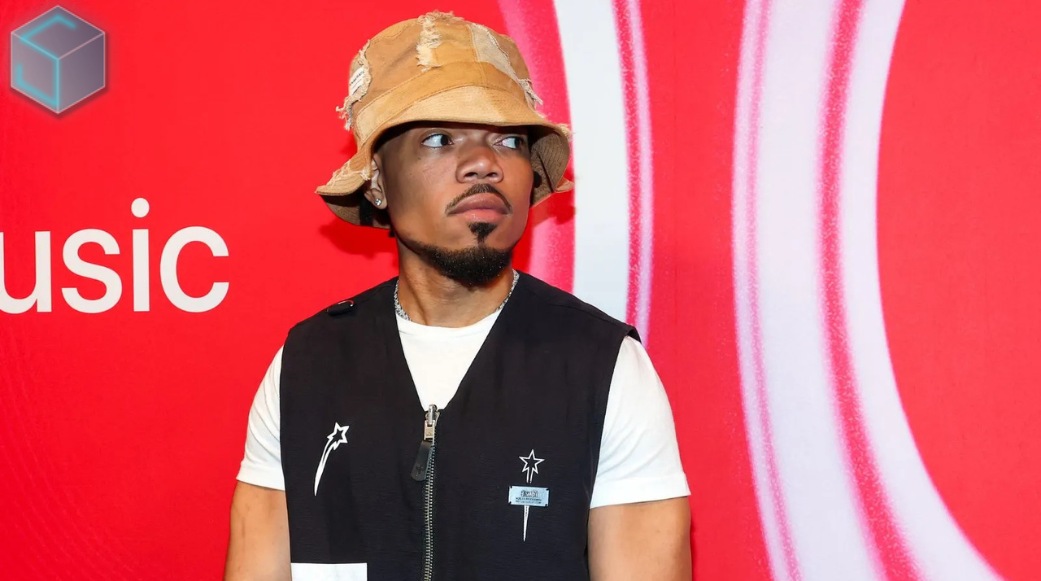
August 19, 2025
After a six-year silence, Chance the Rapper is officially back. On August 15, 2025, he will drop his sophomore album, Star Line, marking a new chapter filled with growth, travel, and creative...
Read more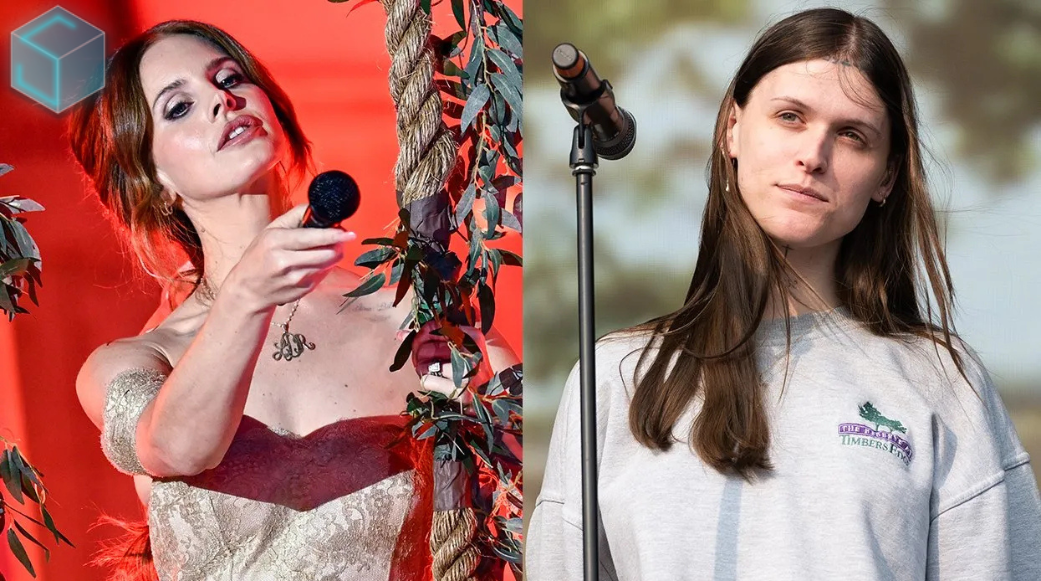
August 19, 2025
Lana Del Rey’s new song takes aim at Ethel Cain, referencing an alleged personal rift involving Instagram posts, a mutual ex, and behind-the-scenes remarks...
Read more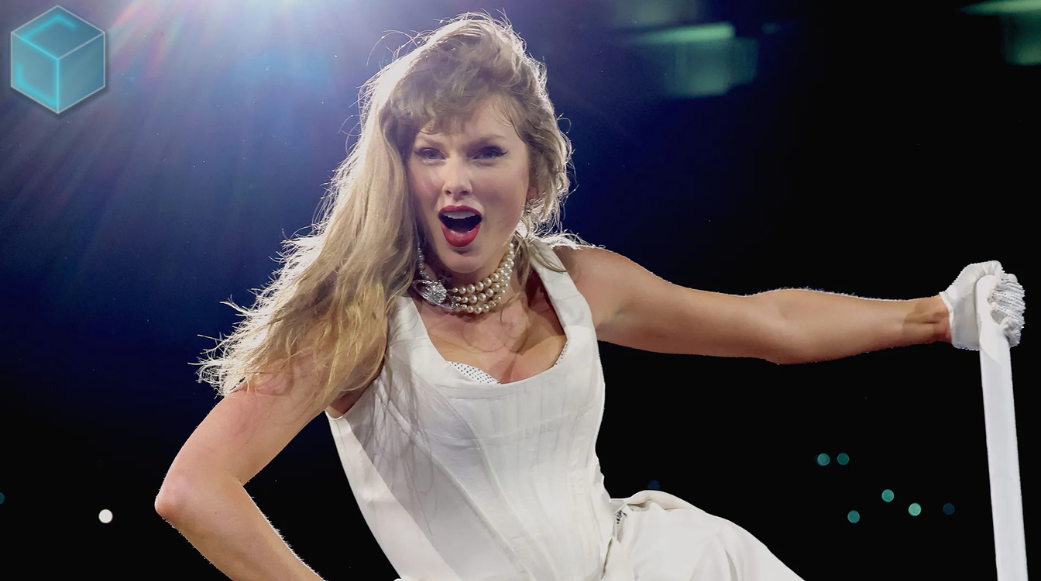
August 15, 2025
The music industry collectively lost its composure when Taylor Swift announced her twelfth studio album The Life of a Showgirl, with everyone from Sabrina Carpenter to Caitlin Clark publicly...
Read more
August 15, 2025
One of the most talked-about musical moments of the summer is JoJo Siwa's recent rendition of the 1981 classic "Bette Davis Eyes." On July 11, she shared her retro-style rendition, sparking intense...
Read more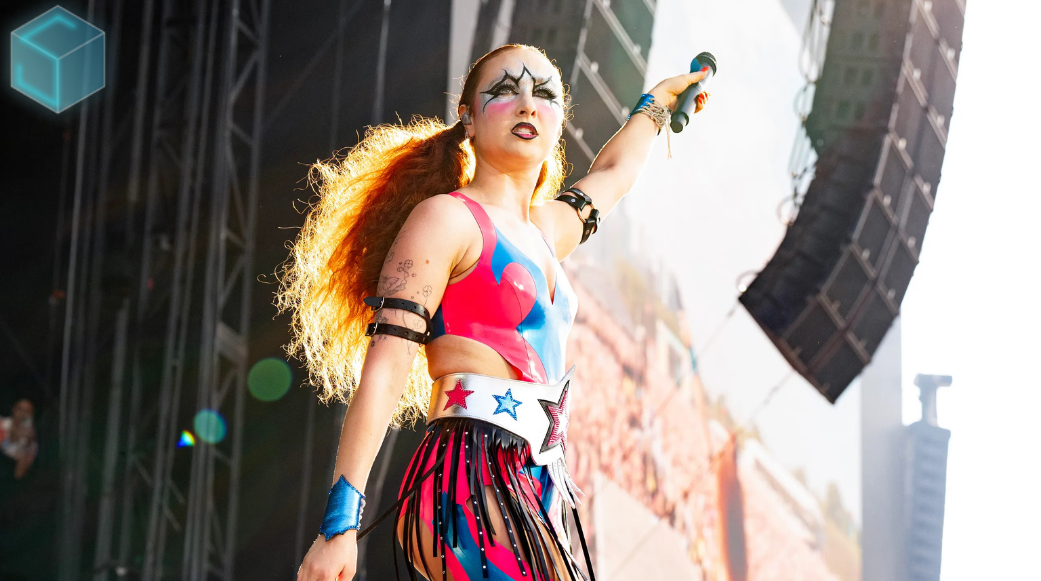
August 15, 2025
Chappell Roan is keeping fans guessing about her sophomore album, admitting she has "no idea" what direction her new music will take. In a revealing interview with Apple Music 1's Zane Lowe, the...
Read more
August 15, 2025
In a candid new interview with GQ, Kansas City Chiefs tight end Travis Kelce is pulling back the curtain on his relationship with pop superstar Taylor Swift. The NFL star revealed intimate details...
Read more.png)
Music creators often walk a delicate line between drawing inspiration from their favorite songs and unintentionally infringing on the work of others. The recent lawsuit filed against Miley Cyrus over her hit song "Flowers" serves as a reminder of how blurry this line can be. The lawsuit claims that Cyrus’ track borrows too much from Bruno Mars’ "When I Was Your Man," sparking a legal debate over where inspiration ends and copyright infringement begins.
For music creators, this situation offers valuable insights into how creativity, influence, and the law intersect.
Many artists naturally incorporate elements from songs they love into their own music. Whether it’s a melodic similarity, a lyrical nod, or a harmonic influence, drawing from existing material is a well-established practice in the industry. But at what point does inspiration become infringement?
The lawsuit against Cyrus offers a key example of this dilemma. Fans have long speculated that "Flowers" was a response to Mars' "When I Was Your Man." Where Mars sings about the regret of not treating his partner better, Cyrus flips the narrative to one of self-empowerment and independence. On the surface, this appears to be a classic "reply" song—a time-honored tradition in music, especially in genres like hip-hop and rock. But the lawsuit argues that the similarities go beyond thematic response, extending into “melodic, harmonic, and lyrical elements.”
For music creators, understanding what qualifies as fair use or inspiration versus copyright infringement is critical. While it's perfectly acceptable to be influenced by another artist's work, using exact musical phrases, melodies, or chord progressions without permission can lead to legal consequences. This case emphasizes how even perceived thematic similarities can lead to a lawsuit if the overlap is deemed substantial enough.
So how can music creators safely navigate these waters? Here are a few tips:
1. Understand What’s Protected
Music copyright laws protect more than just lyrics. They can extend to melodies, chord progressions, and even specific arrangements. However, not every aspect of a song is subject to copyright protection. General ideas or themes, like writing about heartbreak or self-empowerment, are not protected by copyright. But if you directly copy a melody or key musical elements, you may run into legal trouble.
2. Transform, Don’t Copy
When you find inspiration in a song, aim to transform the elements rather than replicate them. This could mean changing the tempo, key, or instrumentation, or interpreting the song’s emotional essence in a completely different way. In the case of Cyrus and Mars, even though "Flowers" was perceived as a response to "When I Was Your Man," the issue arose because Tempo Music alleges that more than just the lyrics were borrowed—melodic and harmonic structures, along with bass line similarities, are also part of the claim.
3. Study Music Theory
Knowing the technical side of music can help you recognize when your work might be too close to another song. If you can break down the structure of your music and compare it to the original, you'll have a better sense of whether you’re simply being inspired or unintentionally infringing. Learning about different chord progressions, scales, and melodic structures can help you find your own unique voice as a creator.
4. Use Music Creation Tools Carefully
In today’s world of loops, samples, and interpolation, it’s easier than ever to build off someone else’s work. While sampling and interpolation are legal when properly licensed, using these elements without clearance can lead to lawsuits. When you’re incorporating samples or creating interpolations, make sure you’re following the proper legal channels to license these materials.
Throughout music history, we’ve seen high-profile examples of both legitimate inspiration and cases that veered into infringement. Take these two examples to understand how the courts have viewed this fine line:
1. Robin Thicke’s "Blurred Lines"
One of the most famous recent copyright infringement cases, the "Blurred Lines" lawsuit, resulted in a nearly $5 million payout to the estate of Marvin Gaye. The court found that Thicke’s song borrowed too heavily from Gaye’s "Got to Give It Up," even though the songs didn’t share exact lyrics or melodies. The "feel" and groove of the two tracks were deemed too similar, serving as a warning to music creators that even stylistic influences can sometimes lead to legal consequences.
2. Led Zeppelin’s "Stairway to Heaven"
In a case that had a very different outcome, Led Zeppelin was sued by the band Spirit, who claimed that "Stairway to Heaven" copied elements of their song "Taurus." After years of litigation, the courts ultimately ruled in Zeppelin’s favor, finding that the musical similarities between the two songs were too general to constitute infringement. This case highlights that not all similar-sounding elements will result in copyright violation rulings—especially when those similarities stem from common musical tropes or progressions.
The case against Miley Cyrus is still ongoing, and the legal battle may hinge on whether the similarities between "Flowers" and "When I Was Your Man" are too "commonplace" to be protected. If you’re a music creator, there are a few key takeaways from this situation:
At the end of the day, music is a collaborative and evolving art form where influence and inspiration are natural. However, knowing where to draw the line will protect both your artistic integrity and your career from the costly consequences of a lawsuit.
Click the links to hear the similarities and or differences of both songs:
.png)


