August 19, 2025
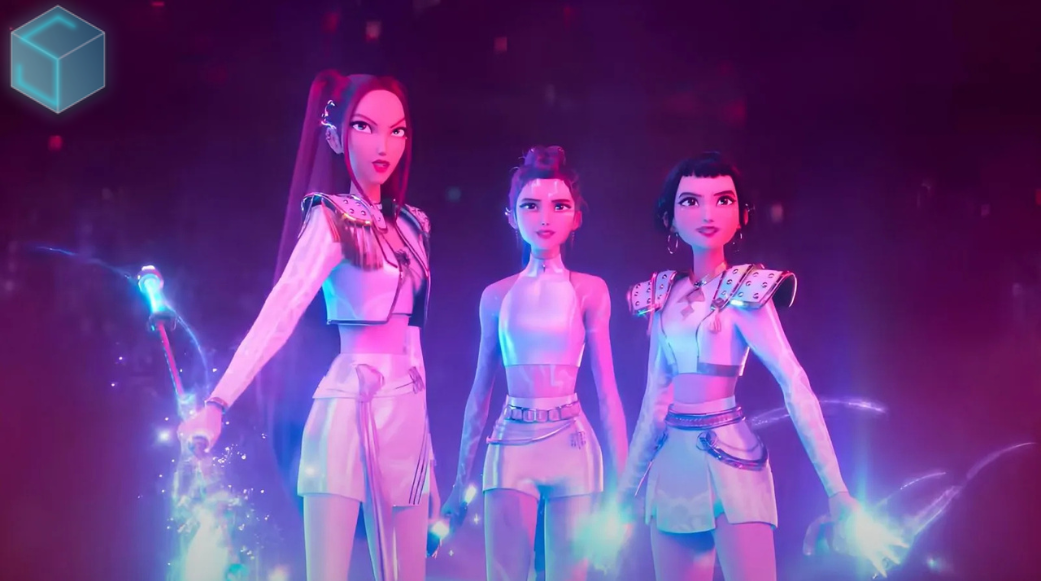
“Your Idol” stands out in Kpop Demon Hunters not just as a catchy track, but as one of the most self-aware songs in the whole project. At first listen, it has all the hallmarks of a classic K-pop...
Read more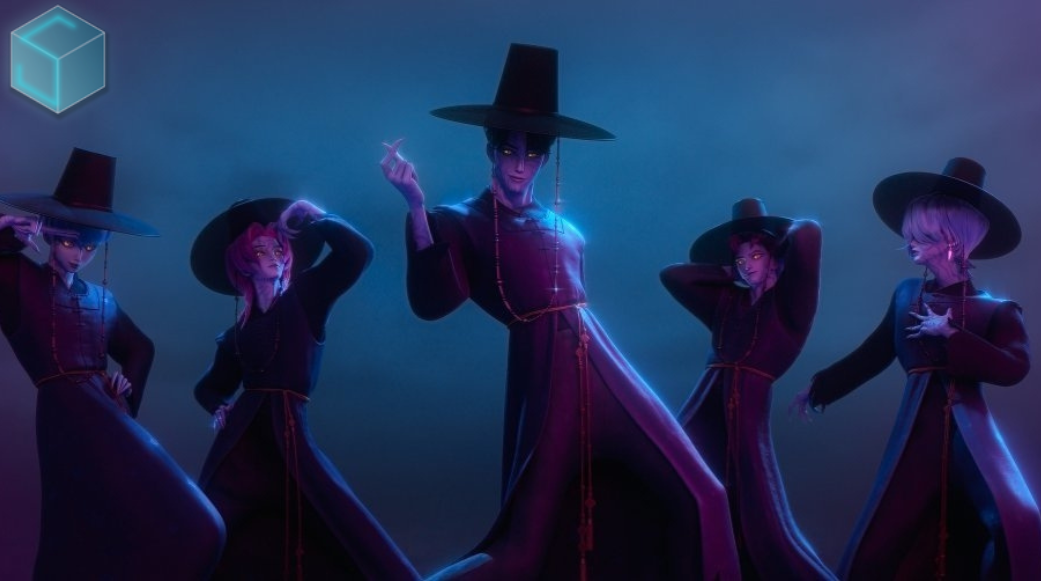
August 19, 2025
If you’ve scrolled TikTok, Insta, or literally any corner of the internet in the past few weeks, you’ve probably heard it: the fizzy, feel-good bop known as “Soda Pop” by the Saja Boys. Straight...
Read more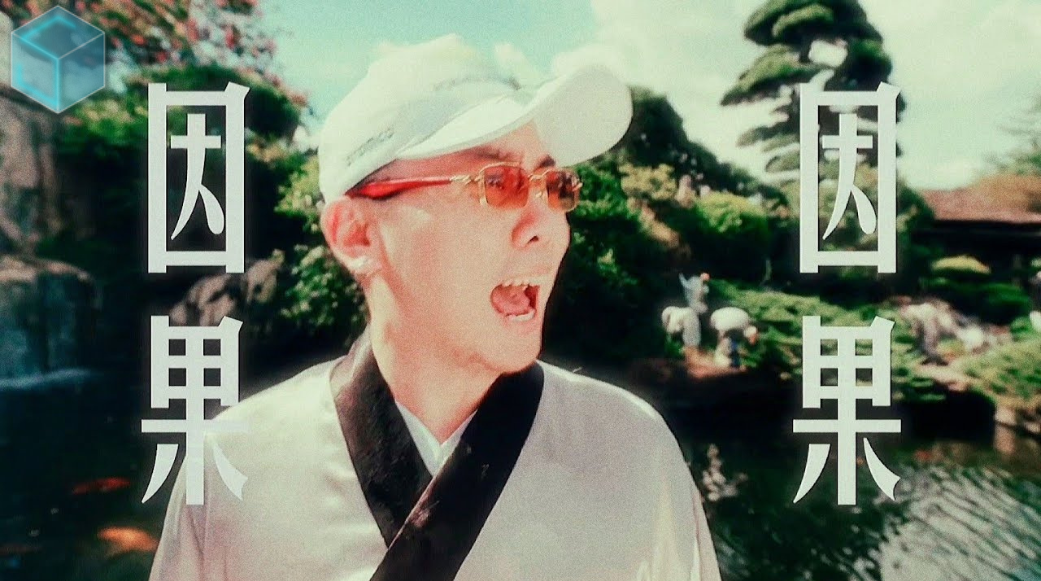
August 19, 2025
Skai Is Yourgod didn’t just drop a song, he dropped a cultural grenade. His track “Stacks From All Sides” has taken TikTok by storm, and the secret sauce? A cheeky little sample from Beetle on...
Read more
August 19, 2025
After 70 weeks at No. 1 with “Too Sweet,” Hozier’s reign on Billboard’s Hot Rock Songs chart comes to an end as newcomer Sombr takes over with...
Read more
August 19, 2025
Charli XCX brought her groundbreaking Brat era to a poignant close Friday night during an electrifying performance at South Korea's One Universe Festival. The pop innovator marked the final...
Read more
August 19, 2025
Taylor Swift’s appearance on Travis and Jason Kelce’s New Heights podcast drew 1.3M live viewers, breaking YouTube records and sparking buzz with details about her new album The Life of a...
Read more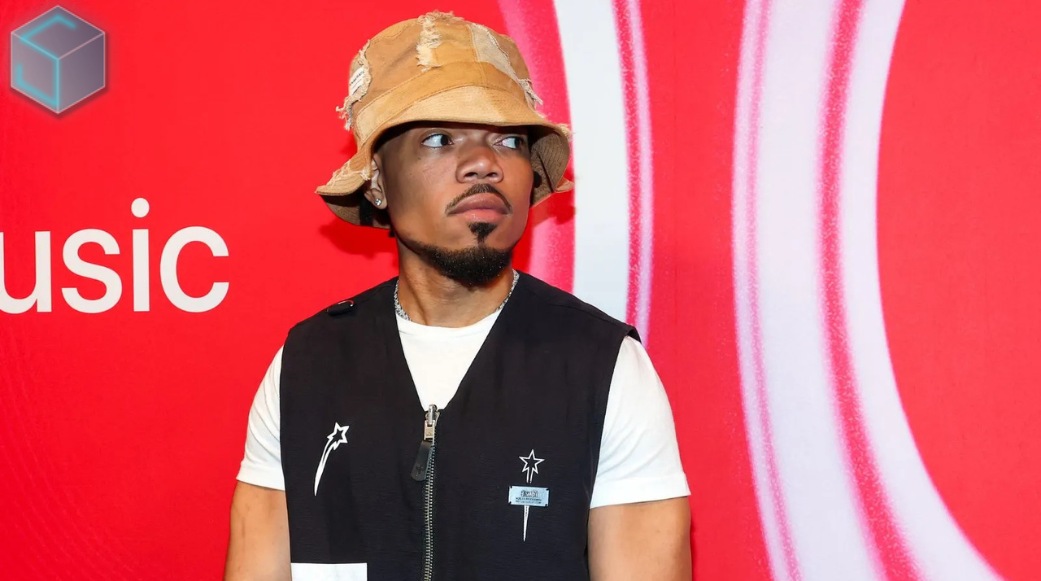
August 19, 2025
After a six-year silence, Chance the Rapper is officially back. On August 15, 2025, he will drop his sophomore album, Star Line, marking a new chapter filled with growth, travel, and creative...
Read more
August 19, 2025
Lana Del Rey’s new song takes aim at Ethel Cain, referencing an alleged personal rift involving Instagram posts, a mutual ex, and behind-the-scenes remarks...
Read more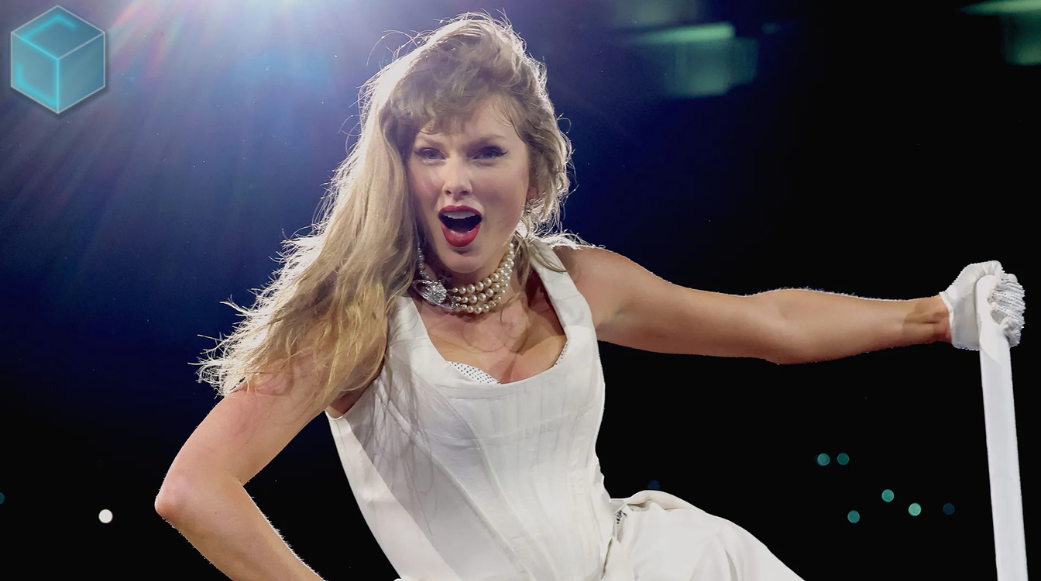
August 15, 2025
The music industry collectively lost its composure when Taylor Swift announced her twelfth studio album The Life of a Showgirl, with everyone from Sabrina Carpenter to Caitlin Clark publicly...
Read more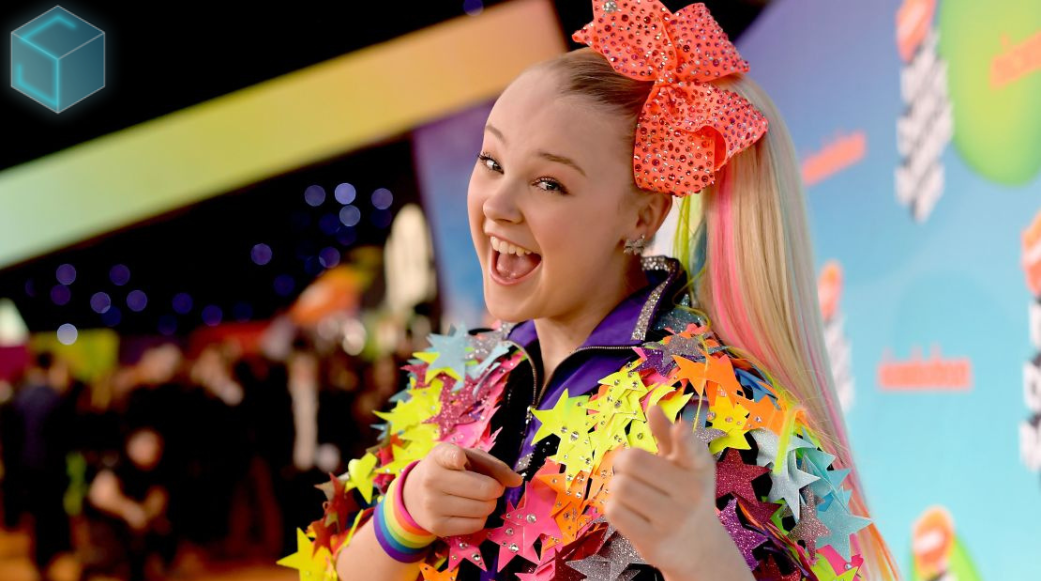
August 15, 2025
One of the most talked-about musical moments of the summer is JoJo Siwa's recent rendition of the 1981 classic "Bette Davis Eyes." On July 11, she shared her retro-style rendition, sparking intense...
Read more
August 15, 2025
Chappell Roan is keeping fans guessing about her sophomore album, admitting she has "no idea" what direction her new music will take. In a revealing interview with Apple Music 1's Zane Lowe, the...
Read more
August 15, 2025
In a candid new interview with GQ, Kansas City Chiefs tight end Travis Kelce is pulling back the curtain on his relationship with pop superstar Taylor Swift. The NFL star revealed intimate details...
Read more.png)
In the grand auditorium of dreams, Ludwig Göransson clutched the Oscar statuette for Best Score, a testament to his monumental contribution to Christopher Nolan’s Oppenheimer. This win adds another gleaming accolade to Göransson's repertoire, following his previous triumphs with a BAFTA, a Golden Globe, and an Oscar for his work on Black Panther. But the journey to this pinnacle was anything but ordinary.
Oppenheimer represents a pivot in Nolan’s directorial canvas, focusing on the tense, dramatic narrative of Dr. J. Robert Oppenheimer and the creation of the atomic bomb, veering away from the high-octane action that characterized his past works. This shift demanded a score that could navigate the complex emotional and historical landscapes of the story. Enter Ludwig Göransson, whose previous collaborations with Nolan and a knack for narrative-driven composition made him the ideal choice.
Göransson’s challenge was not just to compose music but to encapsulate the gravity of Dr. Oppenheimer’s moral and scientific dilemmas, the tension of a race against time, and the haunting realization of a world forever changed. His approach was a deep dive into the soul of the narrative, starting with a foundational period of two months dedicated to the creation and refinement of thematic material, long before cameras started rolling. In these initial stages, Göransson produced an astonishing ten minutes of music weekly, each piece subjected to rigorous scrutiny and discussion.
This preparatory phase bore the hallmark of Nolan’s immersive storytelling approach, requiring Göransson to deliver a sprawling three hours of music that Nolan could envelop himself in during the shoot. The essence of this music was to not only serve as a backdrop but to act as an emotional compass guiding the film's narrative flow.
Central to the score’s success was Göransson’s ability to mirror the film's intensity through the nuanced portrayal of Dr. Oppenheimer by Cillian Murphy. Göransson described Murphy’s performance as “almost inhuman,” a comment reflecting the depth of character that the score needed to complement. The solution was a masterful use of the violin’s dynamic range, shifting from tender vibratos to harsh, manic strokes, mirroring the internal and external conflicts faced by the protagonist.
One of the score's highlights, a montage depicting Dr. Niels Bohr’s lecture on the symphony of algebra, showcases Göransson's innovative spirit. This piece, characterized by a constantly accelerating tempo, was initially thought to be “unplayable.” Yet, through commendable determination, it became a standout moment in the film, encapsulating the blend of science and art that the narrative explored.
Göransson's work on Oppenheimer transcends traditional film scoring, weaving together a sonic tapestry that reflects the epochal significance and personal turmoil surrounding the birth of the atomic age. His ability to oscillate between the profoundly personal and the sweepingly historical marks a compositional maturity that resonates deeply with audiences and critics alike.
As the film industry looks forward to what Göransson will compose next, his Oscar win for Oppenheimer stands as a beacon of his versatile talent and a reminder of the power of music to transform narrative into experience. This accolade is not just for a score that was written but for a masterpiece that was crafted, note by note, with the precision of a scientist and the heart of an artist.
.png)


