.png)
March 27, 2026
Rap has always had tension in it. That’s kind of the point. Competition built the genre, who’s better, who’s realer, who actually has something to say. From early clashes to full blown diss tracks...
Read more.png)
March 27, 2026
Pop music right now has a weird quality to it. You hear a brand new song, fresh release, trending everywhere, and somehow it feels like you’ve already lived with it. Not in a repetitive way, but in...
Read more.png)
March 27, 2026
There was a time when a song leaking early was every artist’s worst nightmare. It meant lost control, lost streams, and a rollout ruined before it even began. Now? It kind of feels like the...
Read more.png)
March 27, 2026
At first, it just sounded like another business deal. But this one actually means a lot more for how music works right now. When news came out that Britney Spears sold the rights to her music...
Read more
March 27, 2026
Charli XCX has never been the type of artist to stay in one place creatively. From reshaping modern pop to experimenting with sound, mood, and identity, her work has always felt bigger than just...
Read more.png)
March 25, 2026
Something interesting is happening in music right now. Artists don’t really disappear anymore. They just… pause.Then suddenly they’re back, and somehow bigger than before.A lot of this comes down...
Read more.png)
March 25, 2026
Bubblegum pop is upbeat pop music with very strong hooks, simple lyrics, and a sweet. Songs are usually short, in a major key, with easy melodies, handclaps, and sing‑along choruses that get stuck...
Read more.png)
March 25, 2026
Before PinkPantheress became a Grammy-nominated artist and one of the most talked about names in the industry, she started on her laptop with GarageBand, experimenting, recording vocals in her room...
Read more.png)
March 25, 2026
In today’s streaming era, an album release rarely ends on release day. Instead, many artists return a few months later with an expanded version, often called a deluxe or extended edition. These...
Read more.png)
March 25, 2026
Pop music goes through phases. Some years the charts are full of emotional ballads, other times it’s glossy synth pop or moody R&B. When Tate McRae released “Greedy,” the track cut through that...
Read more.png)
March 25, 2026
If you’ve been scrolling through TikTok or Instagram lately, chances are you’ve heard a certain bouncy, chopped-up beat. That’s Jersey Club! a high-energy genre from Newark, New Jersey and it’s...
Read more.png)
March 25, 2026
Laufey has played a key role in revitalizing interest in jazz, blending its classic elements with modern pop appeal to attract Gen Z audiences on platforms like TikTok and Spotify. Her...
Read more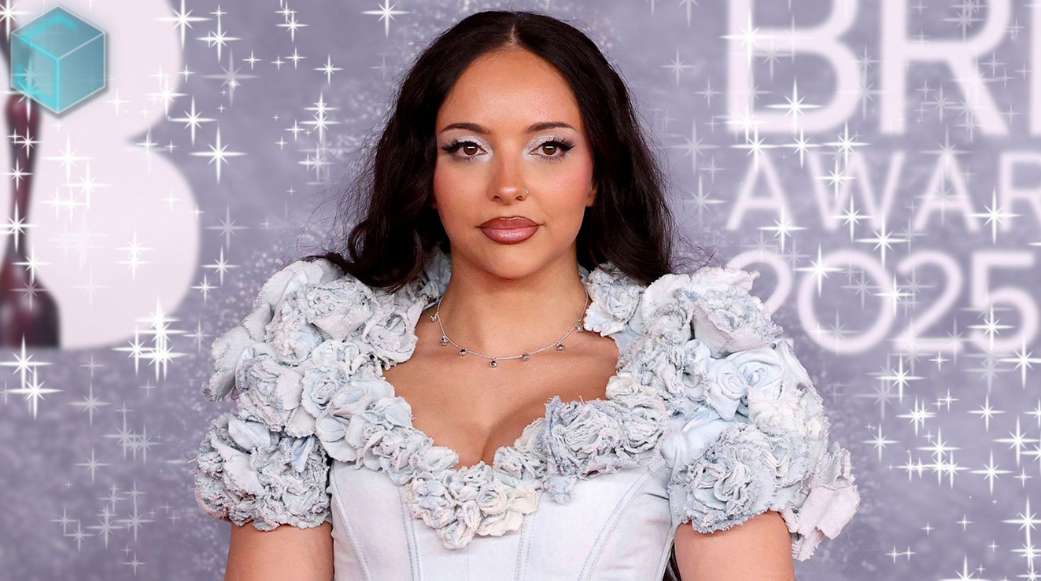
Former Little Mix star Jade Thirlwall isn't mincing words about artists who avoid political engagement, specifically calling out The 1975's Matty Healy for what she sees as a privileged stance. In a candid Guardian interview, the solo artist argued that pop stars have a responsibility to address social issues, a sharp contrast to Healy's recent Glastonbury declaration that music should prioritize "love and friendship" over politics.
Thirlwall, who has vocally supported LGBTQ+ rights and Palestinian causes, dismissed Healy's apolitical approach:
"It's very easy for someone who's white and straight and very privileged to say that. Good for you, hun!" Her comments reference Healy's June 2025 Glastonbury performance where the rocker stated: "We don't need more politics. We need more love."
The criticism comes as Thirlwall prepares to release her debut solo album That's Showbiz Baby! on September 12 a project she says finally lets her speak unfiltered truths. One track, "IT girl," directly addresses the restrictions she faced in Little Mix:
"Those are my experiences, and now that I'm on my own, there's nothing holding me back."
The clash between Thirlwall’s activism and Healy’s "good vibes" philosophy exposes a generational fault line in pop culture. Where artists like Jade use their platforms to amplify Palestinian voices and LGBTQ+ rights, others retreat into what she calls the "privilege" of neutrality, a tension magnified as global crises demand accountability. Her willingness to critique peers like Healy by name (a rarity in the industry) turns personal conviction into a public litmus test for artistic responsibility.
The debate highlights growing tension in pop culture between artists who view their platforms as megaphones for change and those who prioritize escapism. Thirlwall's outspokenness particularly about Palestine contrasts sharply with many peers' silence, making her critique of Healy particularly pointed. In an industry often criticized for performative activism, Thirlwall's willingness to name names sets her apart while ensuring her solo debut will be as discussed for its politics as its melodies.
.png)


