August 15, 2025
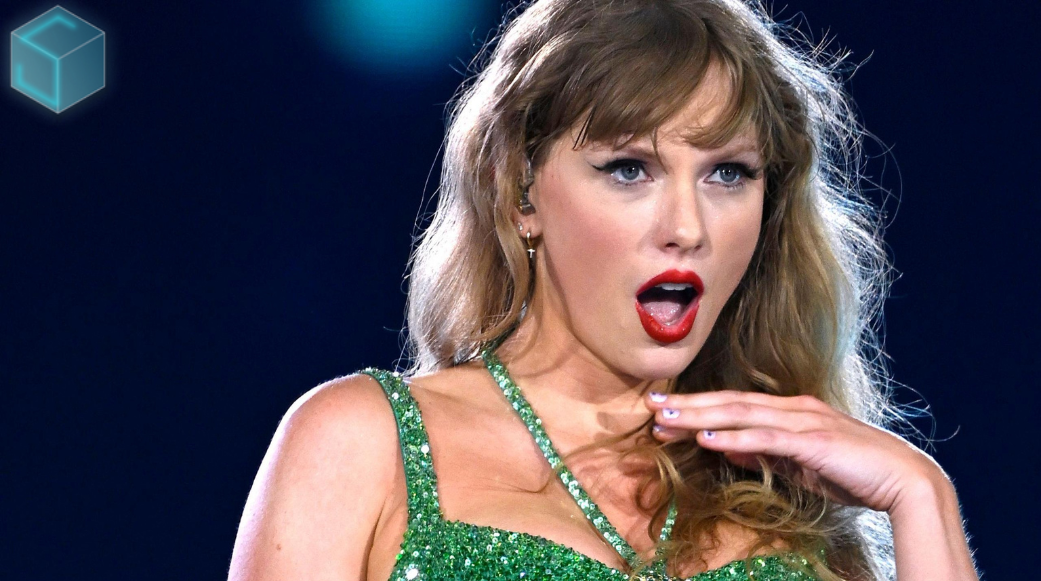
At exactly 12:12 a.m. Tuesday, Taylor Swift revealed her 12th studio album, The Life of a Showgirl, via her official website. The announcement came as a countdown timer hit zero, setting off a wave...
Read more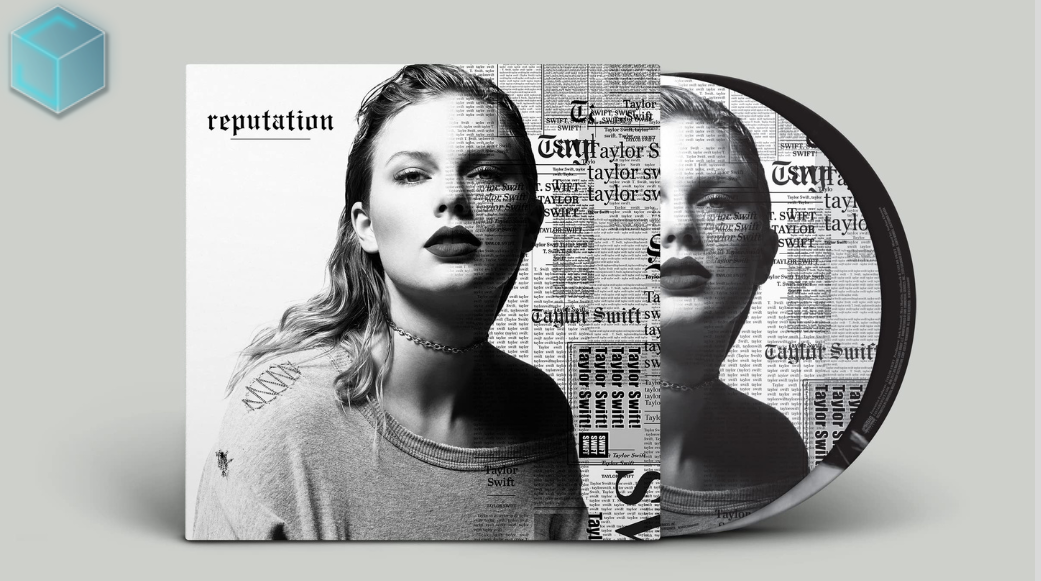
August 15, 2025
Taylor Swift fans are buzzing after longtime collaborator Joseph Kahn revealed that the singer filmed — but never released — a music video for her Reputation track “King of My Heart” nearly a...
Read more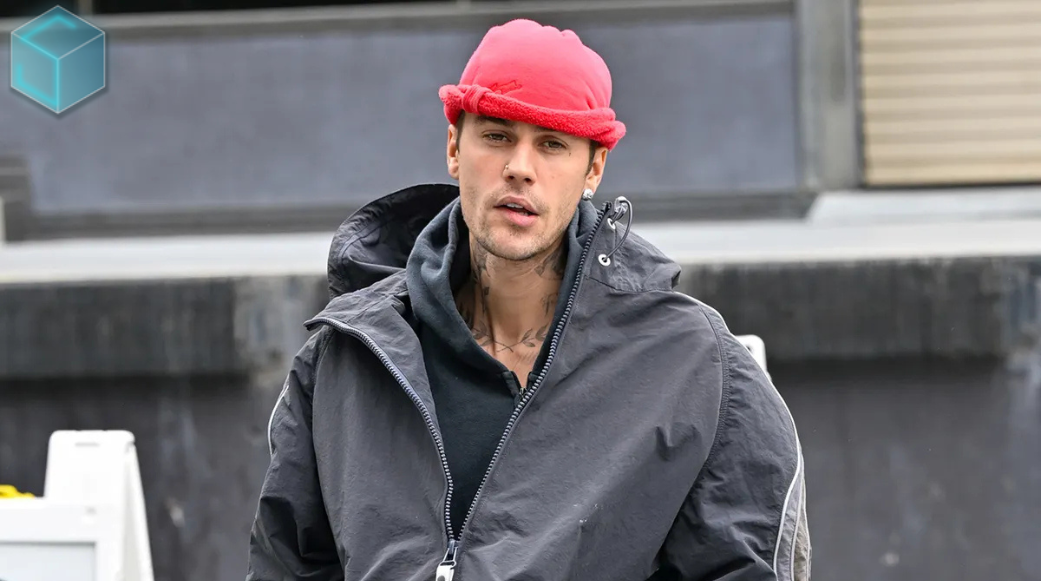
August 15, 2025
As his son Jack Blues approaches his first birthday on August 22, Justin Bieber is giving fans heartfelt glimpses into his life as a doting father. The 31-year-old superstar took to Instagram...
Read more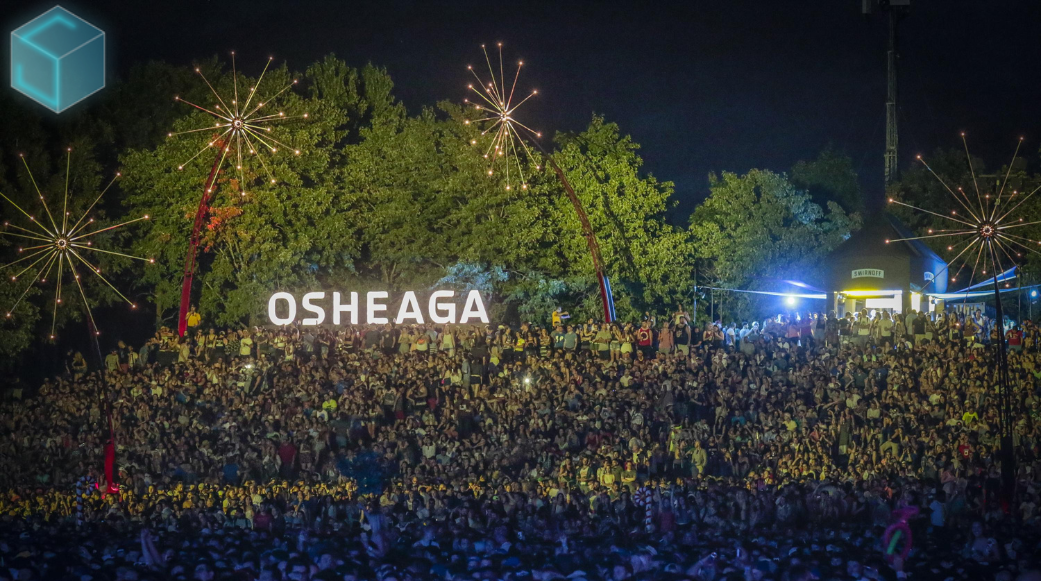
August 11, 2025
From August 1–3, Parc Jean-Drapeau wasn’t just a park, it was the main character. Osheaga 2025 rolled in with enough vibes to power your entire summer playlist, turning the city into a three-day...
Read more
August 11, 2025
In the ever-shifting world of K-pop, new groups arrive every year, but when BigHit Music announces a debut, the industry listens. Just days before BTS gears up for their long-awaited comeback, the...
Read more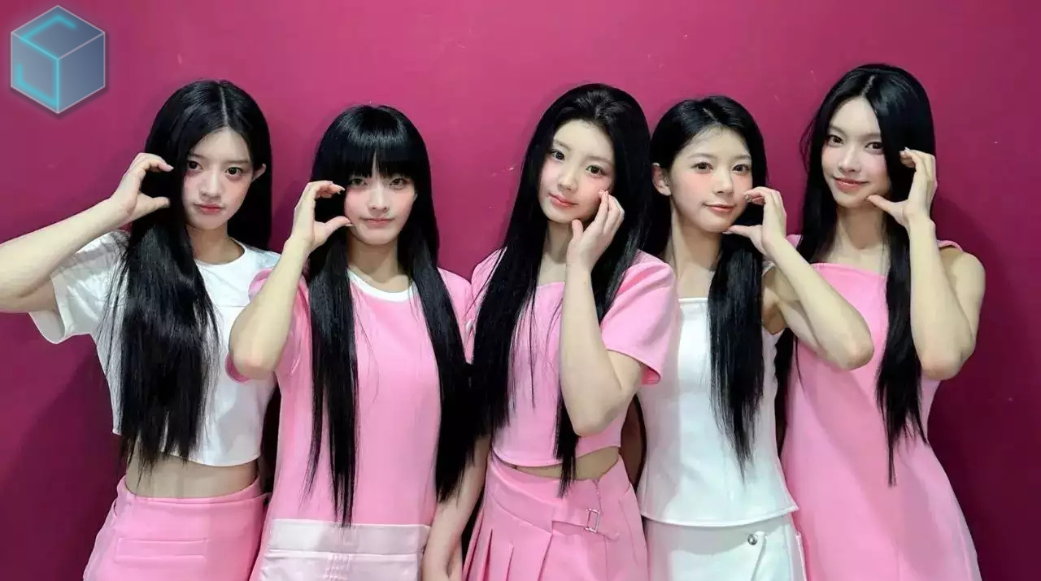
August 11, 2025
When ILLIT dropped “Billyeoon Goyangi,” they probably didn’t expect to turn TikTok into one giant dance floor, but here we are, thousands of creators spinning, twirling, and body-rolling like their...
Read more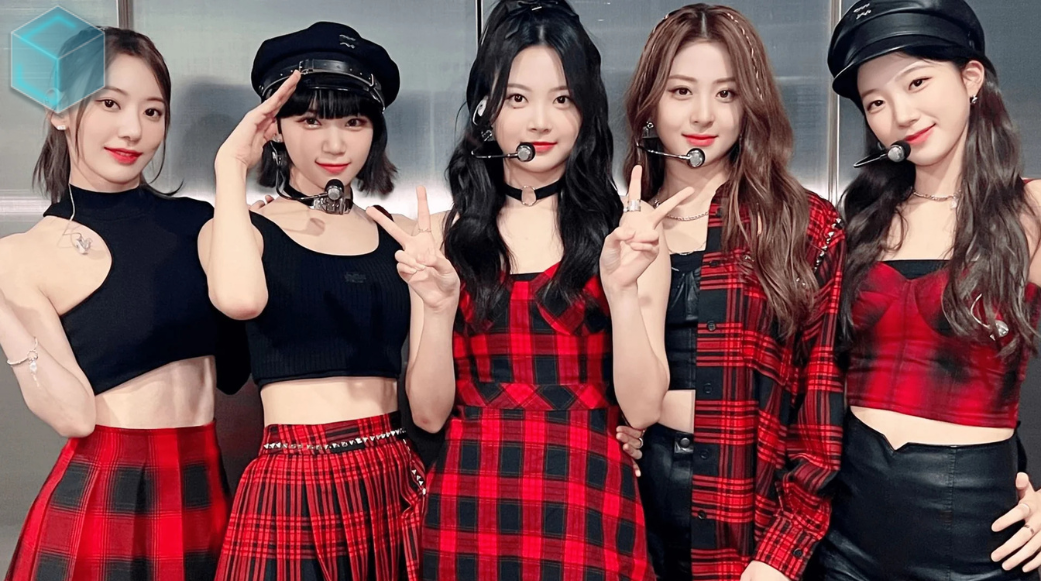
August 11, 2025
In a year where streaming milestones are harder to hit than that high note in ANTIFRAGILE, LE SSERAFIM has officially crossed 1 billion Spotify streams in 2025. The self-proclaimed fearless queens...
Read more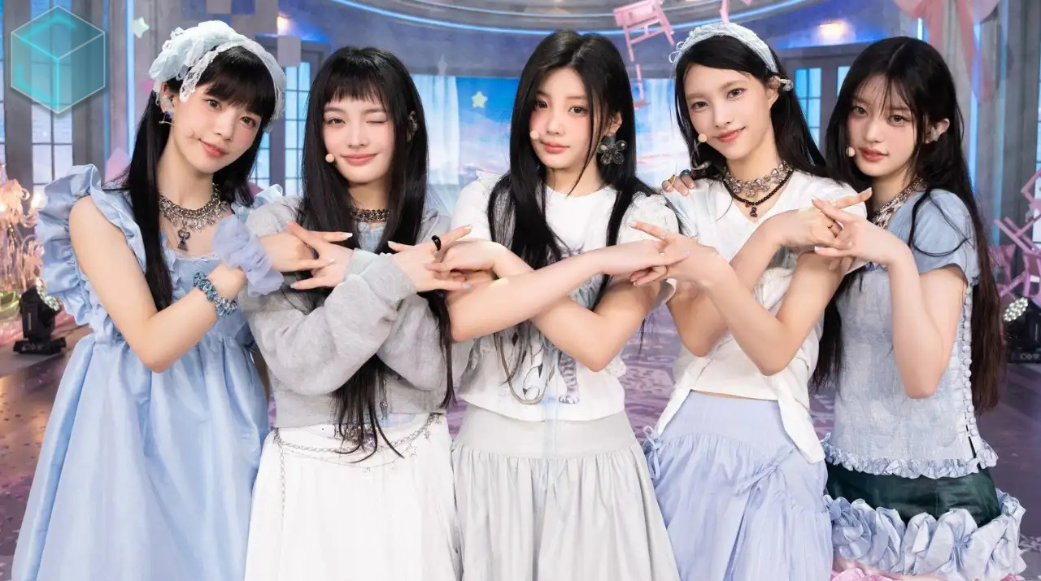
August 11, 2025
Imagine dropping your debut single and poof, you're suddenly everywhere. That’s exactly how ILLIT entered the scene with “Magnetic.” This banger didn’t just drop; it detonated, sending viral...
Read more.png)
August 11, 2025
The Soul Train Awards and Hip-Hop Awards, two cornerstone events celebrating Black music and culture, have been suspended by BET. The news was confirmed by BET CEO Scott Mills in an interview with...
Read more.png)
August 11, 2025
When Memphis rapper GloRilla's October 2024 debut album Glorious, one track left everyone talking; "Rain Down on Me," featuring gospel heavyweights Kirk Franklin, Maverick City Music, Kierra...
Read more.png)
August 11, 2025
When the Kansas City Chiefs' three-peat dreams collapsed at Super Bowl LIX, the real drama wasn't just on the field it was in Travis Kelce's VIP box where Taylor Swift and Machine Gun Kelly were...
Read more.png)
August 10, 2025
In a powerful fusion of music and philanthropy, some of today’s most celebrated artists are stepping onto the stage not just to perform, but to make a difference. Stand Up To Cancer (SU2C) returns...
Read more
Photo Source: Linkedin.com
People draw inspiration from others when forming their ideas, it’s a fact of life. Sampling in music is no exception - and artists do it for a variety of reasons. Traditionally, copyright laws and industry agreements acted as guiding principles toward how we define intellectual property, and how laws were upheld when using others’ work to inspire your own.
As with everything these days, AI is shaking that up. This is especially true in the music industry, with revolutionary programs now on the market that have previously unimaginable capabilities. Numerous AI music generators are now available to create versatile music based on a set of parameters.
AI is causing trouble in the legal space of the music industry, and on multiple sides of it too. While it is amazing that a machine can now compose convincing, human-like art, it begs the question: where does the machine draw its inspiration?
How Does AI Make Music?
AI music generators use deep learning to recognize patterns within the compositions that are in their databases. These databases are huge, and the issue lies with the fact that they often include work from artists that did not provide their consent for it to be used. Frequently there are enough coherent traces of original pieces within AI music that can violate reproduction rights.
Much like releasing music with samples, you may need clearance one day to release music that used AI in its composition. If you can’t get that clearance, then it is likely AI will be able to detect that too.
Using Google’s Assistant to Recognize Samples
As AI gets more advanced, it has grown capable of detecting hidden samples in songs - even ones that have been chopped up, stretched, or are less than one second long. Decades after its release, sample-hunting communities on the internet were able to discover a hidden sample in Daft Punk’s “Face to Face” after using Google Assistant. They also discovered a ton of other hidden samples that have been a mystery for decades.
Google’s deep neural networks provide a more advanced recognition software than something like Shazam. If you use it in conjunction with other tools, you can coerce it to find a sample that it may have missed, which is something you may not have to do after the technology gets stronger. Only time will tell how strong copyright detection will get, maybe one day you won’t be able to hide a sample from AI.
Copyright Concerns and Legal Challenges
AI is presenting some challenges on all sides of the music industry, and those challenges boil down to the concept of ownership.
AI art lacks human authorship, so protecting it under copyright law will definitely prove challenging.
Who is responsible for the work an AI produces; the company that created the system, the AI itself, or the owner of the works that informed the AI? Would a musician be able to fight a company that trained an AI to produce based on their work? It’s an interesting question, one that we are yet to find the answer to.
Where Are We Headed?
As it stands right now, AI producers seem to be able to disregard copyright laws in creating their work. On the other hand, AI is making it easier than ever to find out if a piece draws from existing work. This could have detrimental effects on smaller artists that do not have the rights to be “playing around” with certain sounds.
Computer-generated “art” is a contentious topic. Many artists are embracing it as a new tool in the creative process, while others fear that it will displace musicians from their jobs. Regardless, AI is already used extensively in music, oftentimes to boost the productivity of seasoned songwriters and producers.
AI can be a tool for artists, but communities on Reddit are worried that AI sample detection may one day be able to automatically flag their work (correctly or incorrectly), and this could lead to legal issues. The implications of that remain to be seen.
The commercialization of art has always been a debate between those who are passionate about creative expression versus those who are in it for profit. This time, large AI corporations are the ones who seem to be disregarding copyright laws, which traditionally is what they would have enforced.
The music industry is known to experience mass hysteria whenever a new innovation shakes up the scene. While this could be a new innovation the industry will one day embrace, in this case, it seems that a legal nightmare is imminent. Only time will tell as to how it all plays out.
.png)


