
August 19, 2025
“Your Idol” stands out in Kpop Demon Hunters not just as a catchy track, but as one of the most self-aware songs in the whole project. At first listen, it has all the hallmarks of a classic K-pop...
Read more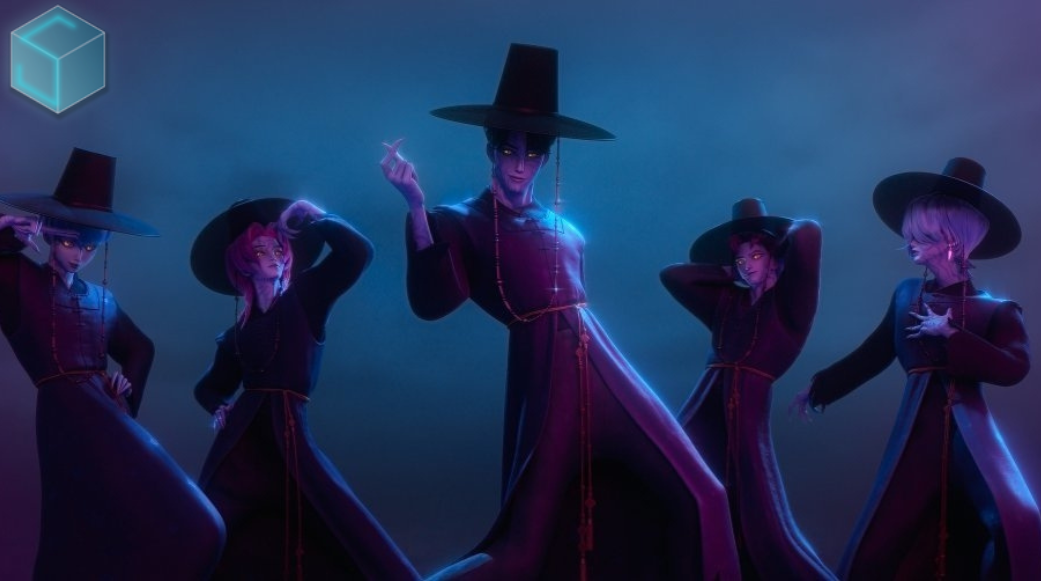
August 19, 2025
If you’ve scrolled TikTok, Insta, or literally any corner of the internet in the past few weeks, you’ve probably heard it: the fizzy, feel-good bop known as “Soda Pop” by the Saja Boys. Straight...
Read more
August 19, 2025
Skai Is Yourgod didn’t just drop a song, he dropped a cultural grenade. His track “Stacks From All Sides” has taken TikTok by storm, and the secret sauce? A cheeky little sample from Beetle on...
Read more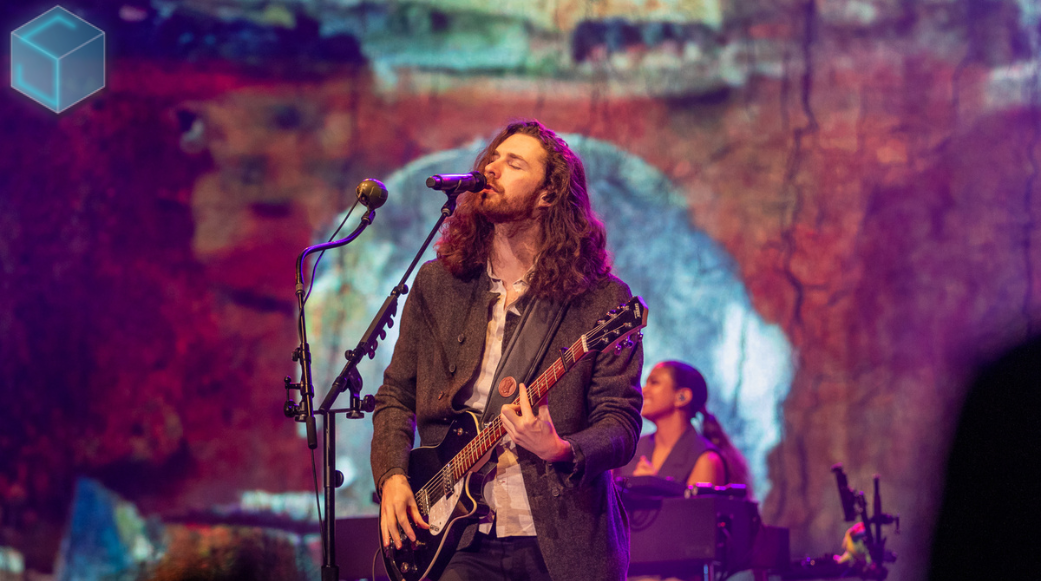
August 19, 2025
After 70 weeks at No. 1 with “Too Sweet,” Hozier’s reign on Billboard’s Hot Rock Songs chart comes to an end as newcomer Sombr takes over with...
Read more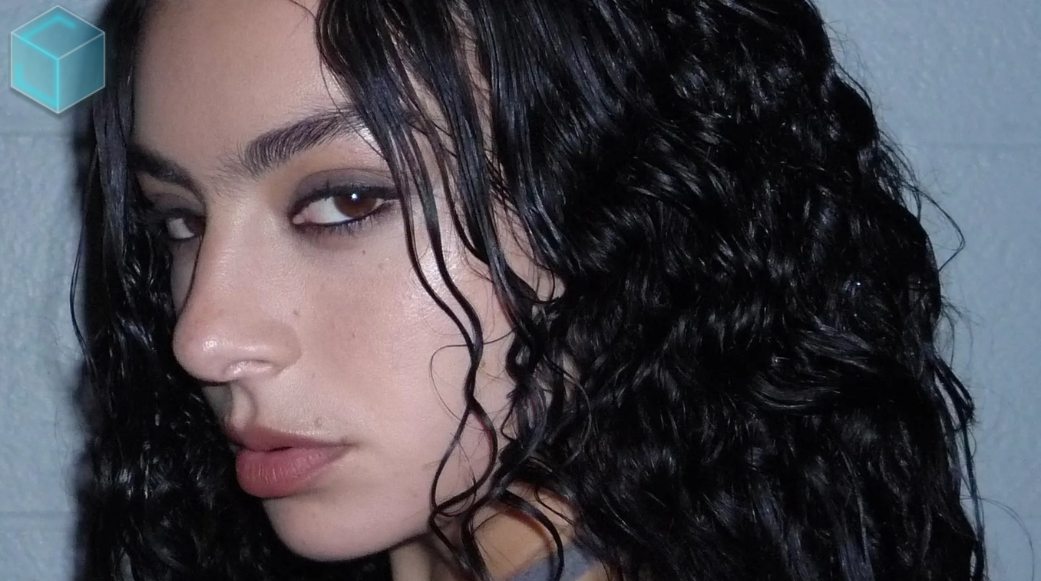
August 19, 2025
Charli XCX brought her groundbreaking Brat era to a poignant close Friday night during an electrifying performance at South Korea's One Universe Festival. The pop innovator marked the final...
Read more
August 19, 2025
Taylor Swift’s appearance on Travis and Jason Kelce’s New Heights podcast drew 1.3M live viewers, breaking YouTube records and sparking buzz with details about her new album The Life of a...
Read more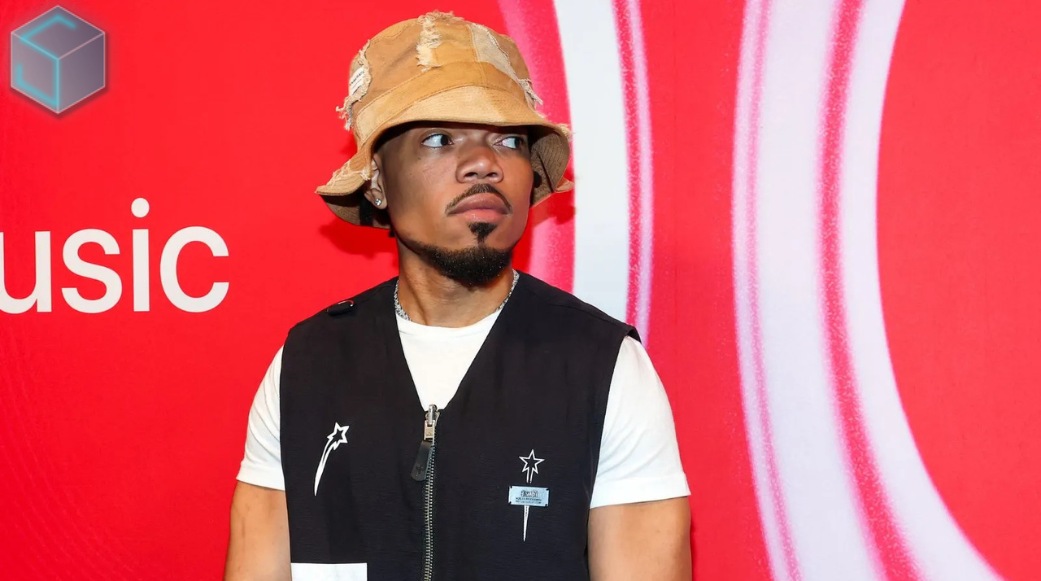
August 19, 2025
After a six-year silence, Chance the Rapper is officially back. On August 15, 2025, he will drop his sophomore album, Star Line, marking a new chapter filled with growth, travel, and creative...
Read more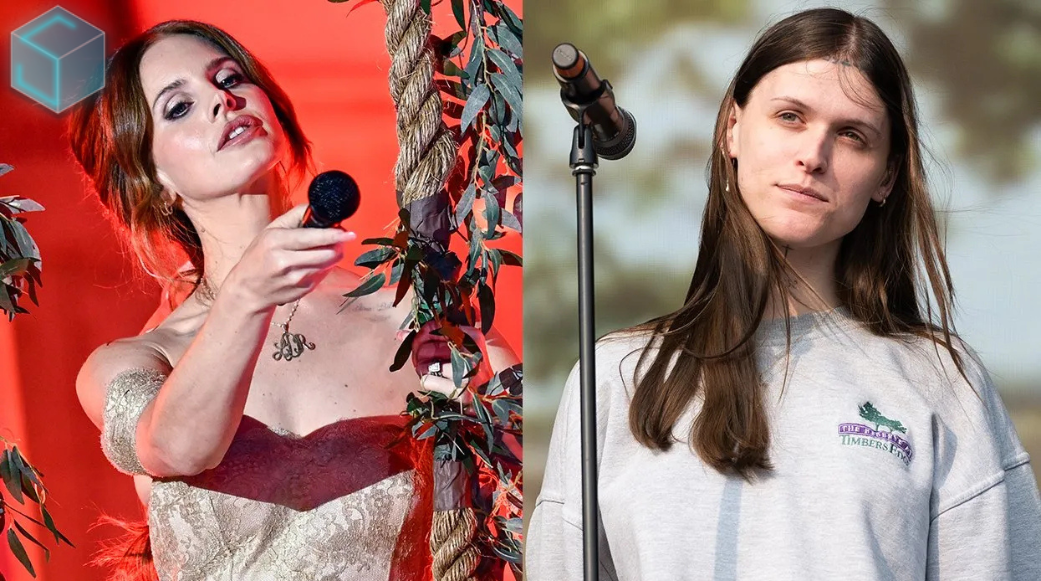
August 19, 2025
Lana Del Rey’s new song takes aim at Ethel Cain, referencing an alleged personal rift involving Instagram posts, a mutual ex, and behind-the-scenes remarks...
Read more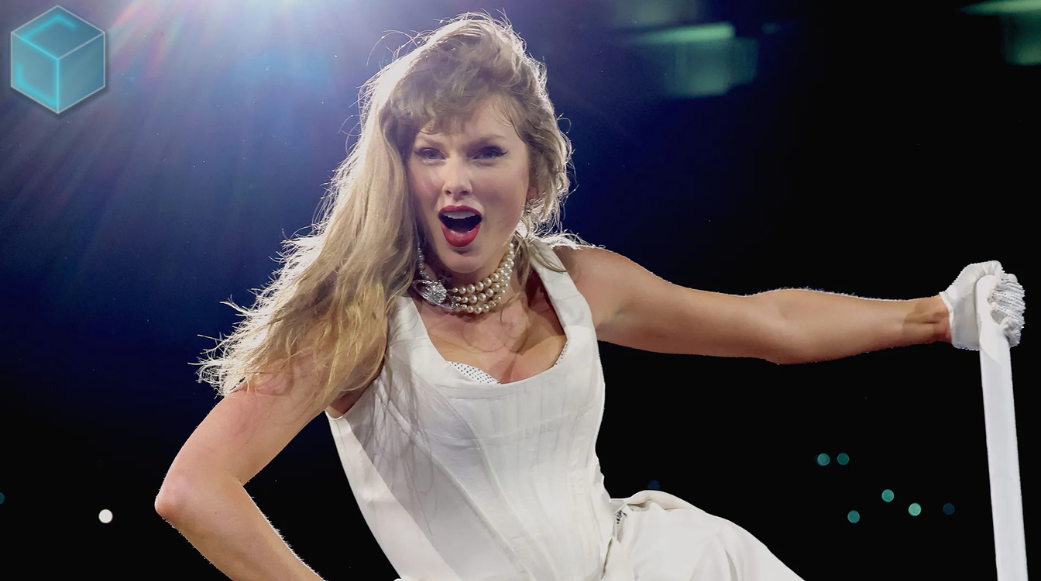
August 15, 2025
The music industry collectively lost its composure when Taylor Swift announced her twelfth studio album The Life of a Showgirl, with everyone from Sabrina Carpenter to Caitlin Clark publicly...
Read more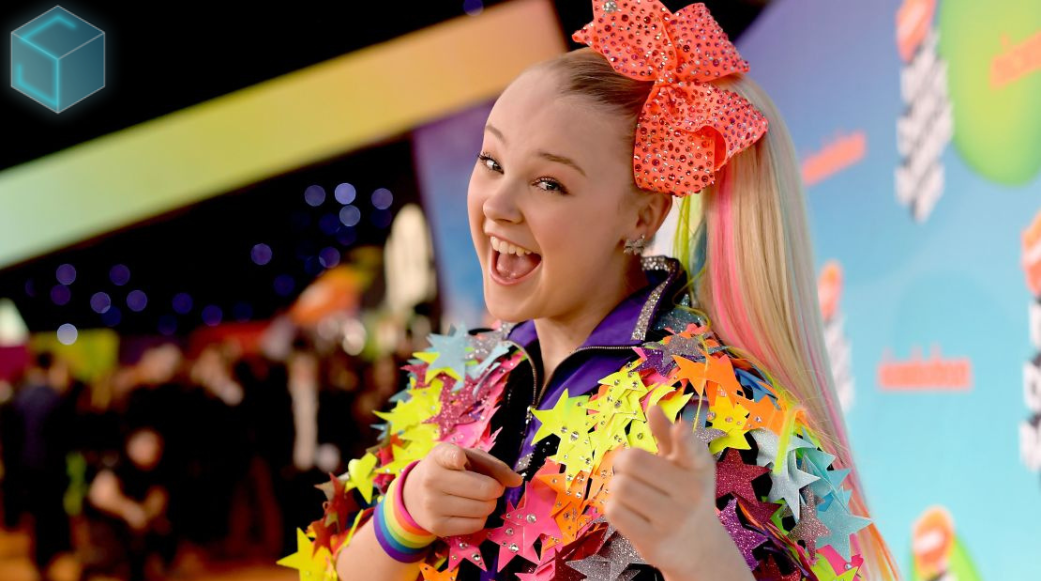
August 15, 2025
One of the most talked-about musical moments of the summer is JoJo Siwa's recent rendition of the 1981 classic "Bette Davis Eyes." On July 11, she shared her retro-style rendition, sparking intense...
Read more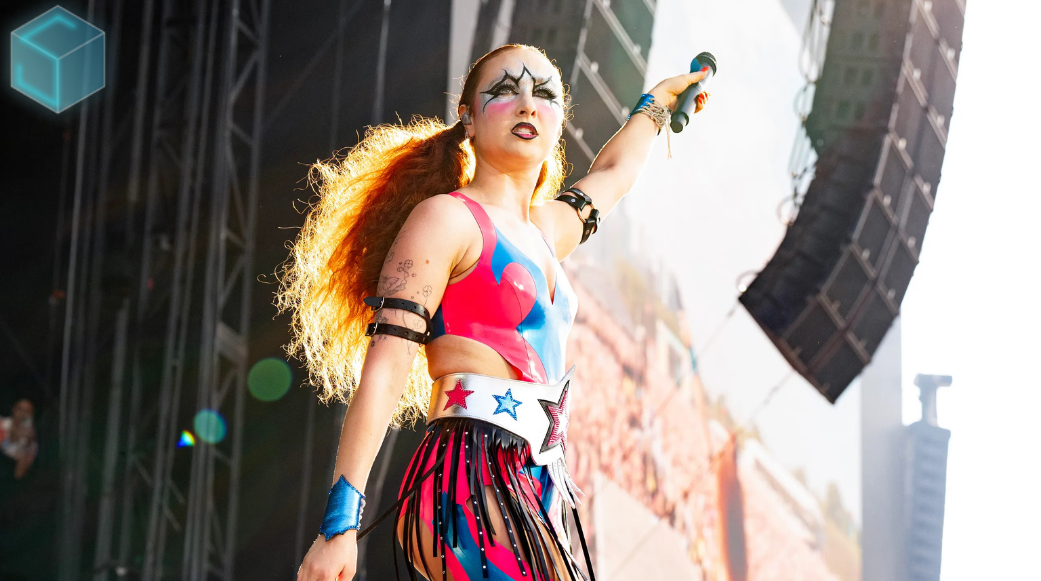
August 15, 2025
Chappell Roan is keeping fans guessing about her sophomore album, admitting she has "no idea" what direction her new music will take. In a revealing interview with Apple Music 1's Zane Lowe, the...
Read more
August 15, 2025
In a candid new interview with GQ, Kansas City Chiefs tight end Travis Kelce is pulling back the curtain on his relationship with pop superstar Taylor Swift. The NFL star revealed intimate details...
Read more
A recent study by Eventbrite has uncovered a notable shift in the behaviour of music fans, who are now purchasing concert tickets later than ever before. This trend was a key topic of discussion at the National Independent Venue Association (NIVA) conference, sparking conversations about the implications for artists, venues, and the broader live music industry.
The study by Eventbrite highlights a growing tendency among concert-goers to delay their ticket purchases until closer to the event date. This trend has significant implications for how venues and artists plan and manage their events. Delayed ticket buying can affect everything from marketing strategies to financial planning, as predictable early ticket sales numbers become less reliable.
Several factors may be contributing to this shift, including economic uncertainties and a saturated market of entertainment options which make fans more cautious about spending. Additionally, the rise of digital platforms has made last-minute ticket purchases easier and more convenient, encouraging fans to wait and decide closer to the event date.
For venues and promoters, this trend poses both challenges and opportunities. On one hand, it creates a degree of uncertainty in event planning and financial forecasting. On the other hand, it also offers the potential to drive sales with last-minute promotions and discounts. Venues and promoters may need to adapt their strategies to cater to this new consumer behaviour pattern to maximize attendance and revenue.
During the NIVA conference, industry leaders discussed various strategies to address these challenges. Suggestions included improving customer engagement through personalized marketing, leveraging data analytics to better predict buying patterns, and creating more flexible pricing models that encourage earlier purchases without alienating those who prefer to buy later.
The discussion at the NIVA conference indicated a consensus that the trend of later ticket buying is likely to continue, influenced by broader trends in consumer behaviour and technological advancements. This means that the live music industry will need to continue evolving its strategies to effectively respond to these changes.
Eventbrite's findings on the delayed ticket-buying habits of music fans mark a critical shift in the live entertainment landscape. As the industry digests these insights and adapts to meet the new challenges, the way forward will likely involve a blend of innovative marketing, enhanced customer engagement practices, and flexible event management strategies. The ability of venues, promoters, and artists to adjust to these trends will be crucial in shaping the future of live music events.
.png)


