August 19, 2025
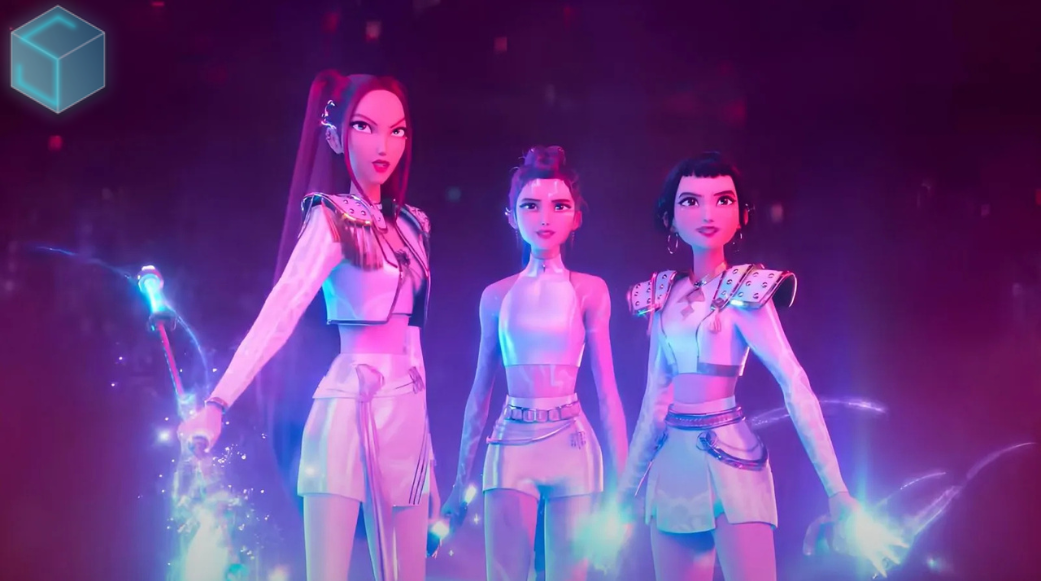
“Your Idol” stands out in Kpop Demon Hunters not just as a catchy track, but as one of the most self-aware songs in the whole project. At first listen, it has all the hallmarks of a classic K-pop...
Read more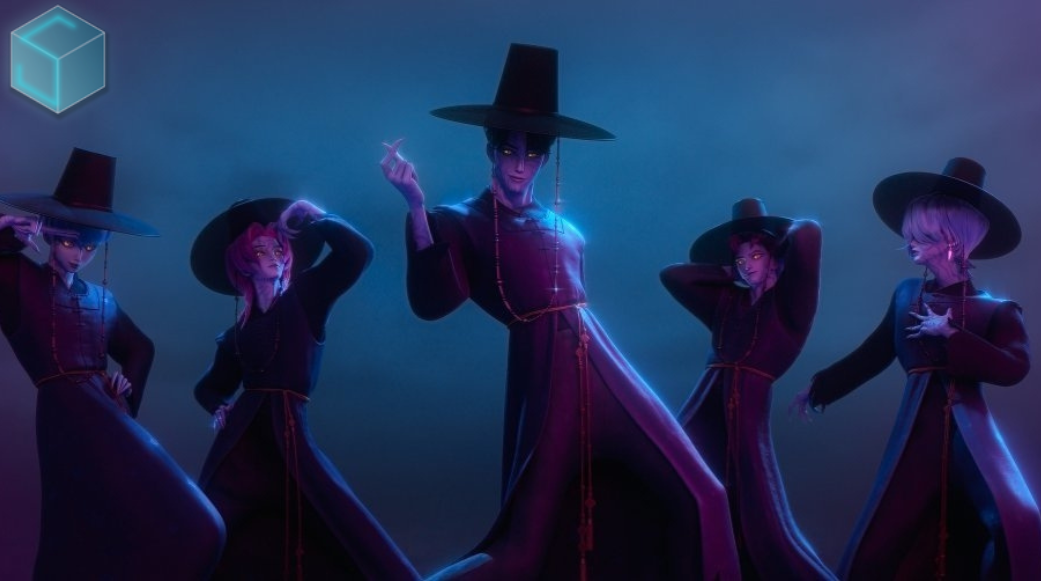
August 19, 2025
If you’ve scrolled TikTok, Insta, or literally any corner of the internet in the past few weeks, you’ve probably heard it: the fizzy, feel-good bop known as “Soda Pop” by the Saja Boys. Straight...
Read more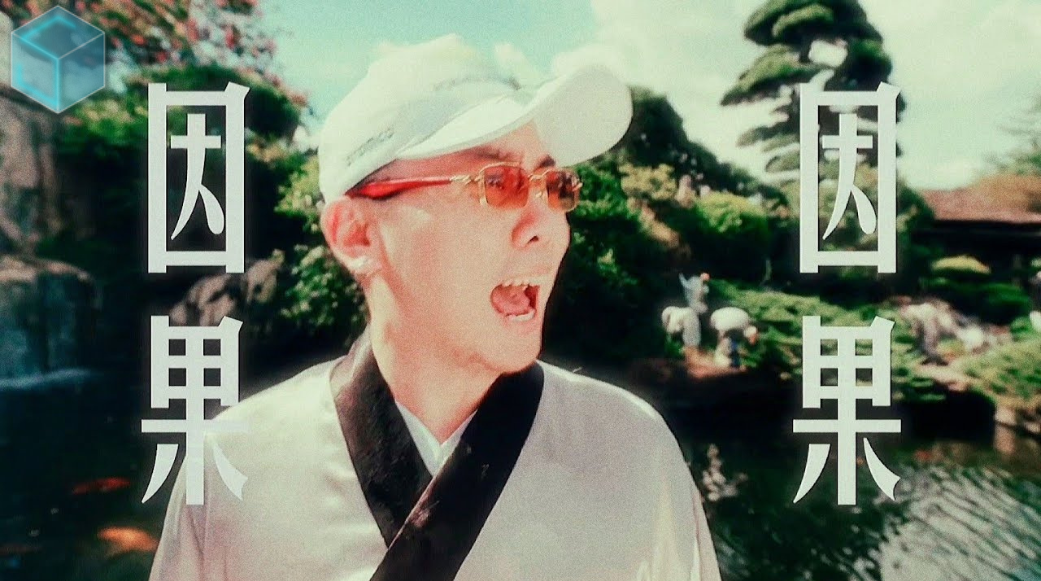
August 19, 2025
Skai Is Yourgod didn’t just drop a song, he dropped a cultural grenade. His track “Stacks From All Sides” has taken TikTok by storm, and the secret sauce? A cheeky little sample from Beetle on...
Read more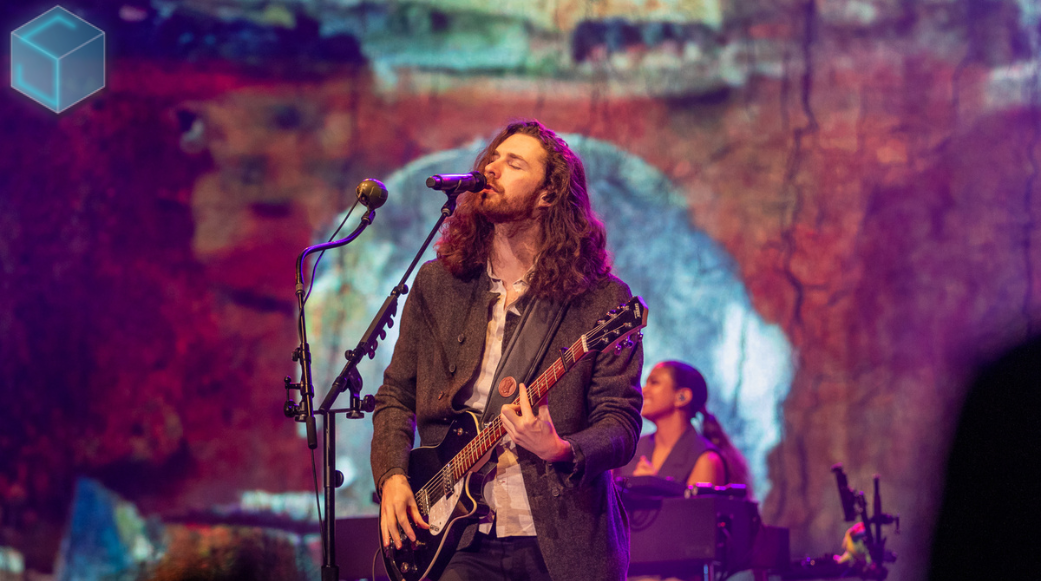
August 19, 2025
After 70 weeks at No. 1 with “Too Sweet,” Hozier’s reign on Billboard’s Hot Rock Songs chart comes to an end as newcomer Sombr takes over with...
Read more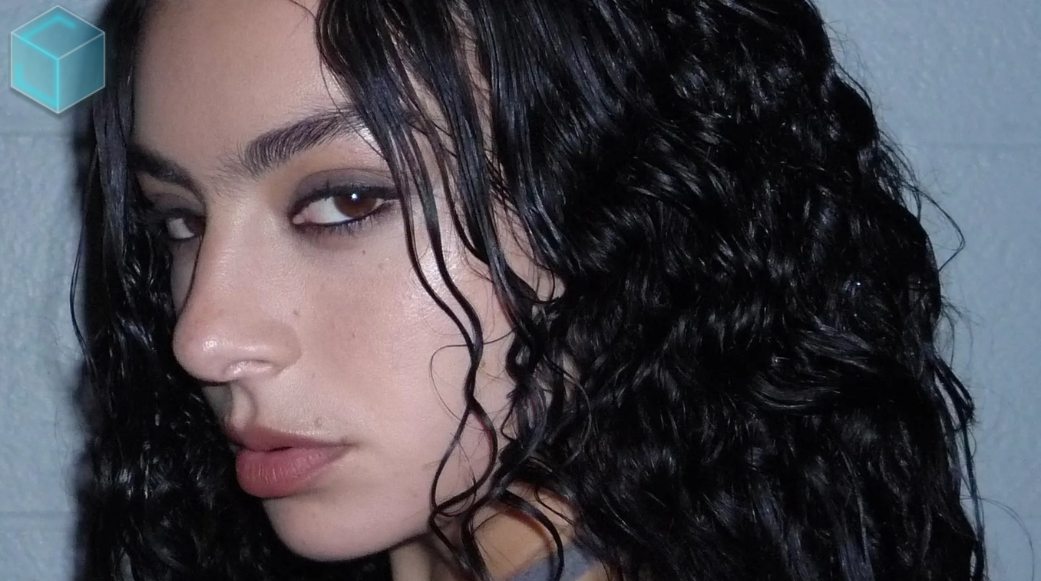
August 19, 2025
Charli XCX brought her groundbreaking Brat era to a poignant close Friday night during an electrifying performance at South Korea's One Universe Festival. The pop innovator marked the final...
Read more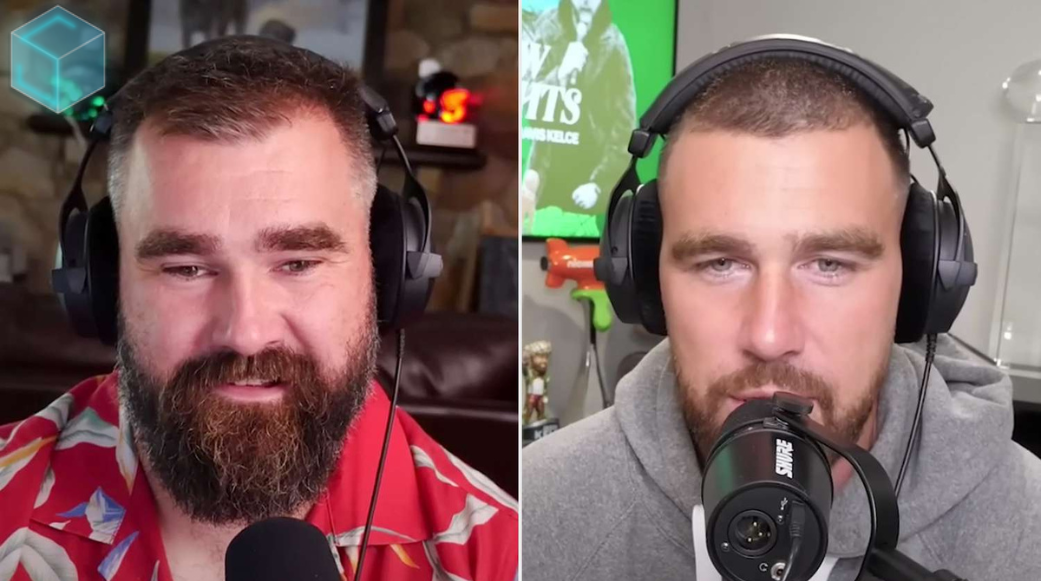
August 19, 2025
Taylor Swift’s appearance on Travis and Jason Kelce’s New Heights podcast drew 1.3M live viewers, breaking YouTube records and sparking buzz with details about her new album The Life of a...
Read more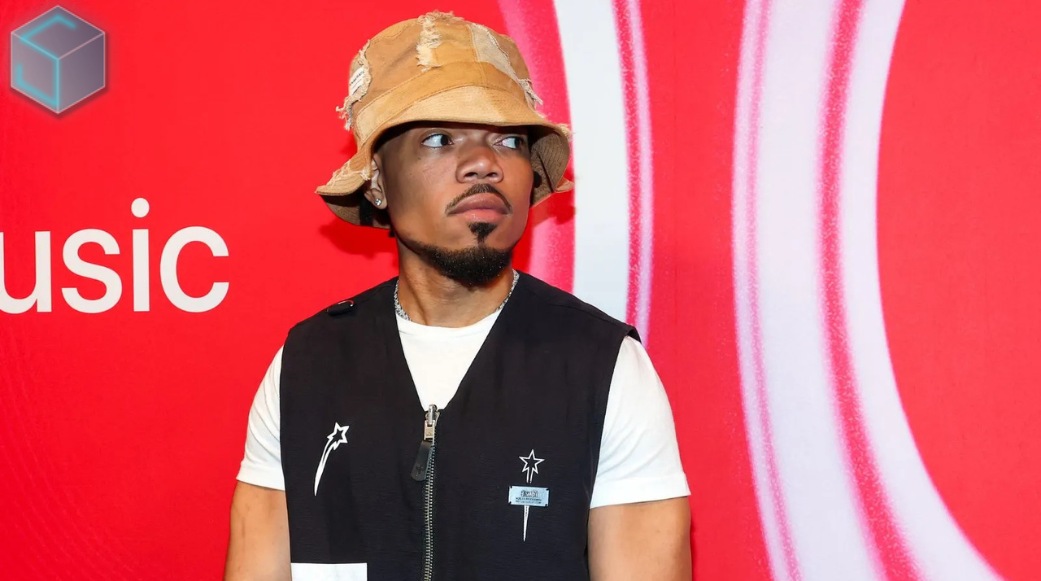
August 19, 2025
After a six-year silence, Chance the Rapper is officially back. On August 15, 2025, he will drop his sophomore album, Star Line, marking a new chapter filled with growth, travel, and creative...
Read more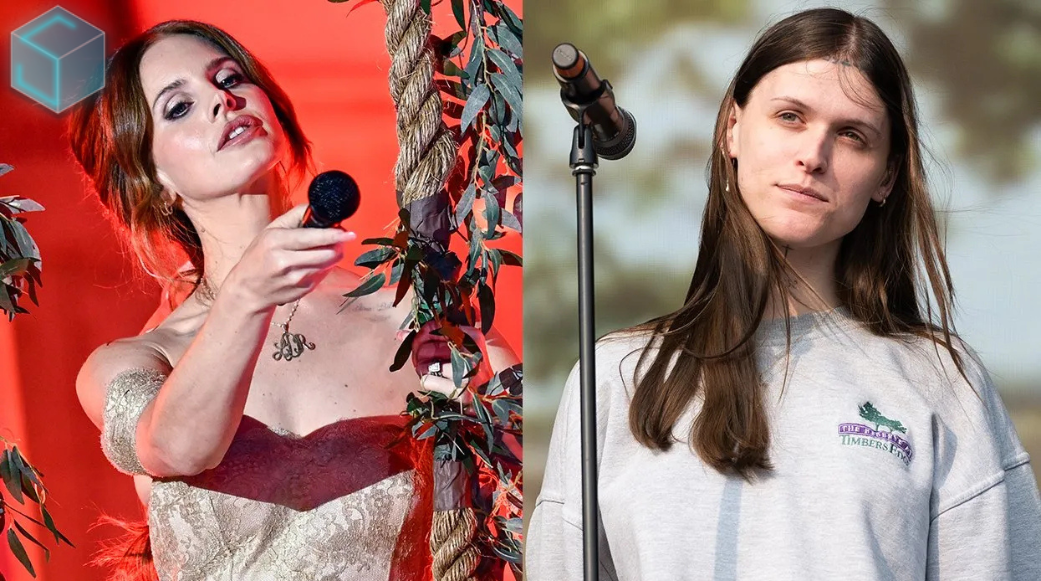
August 19, 2025
Lana Del Rey’s new song takes aim at Ethel Cain, referencing an alleged personal rift involving Instagram posts, a mutual ex, and behind-the-scenes remarks...
Read more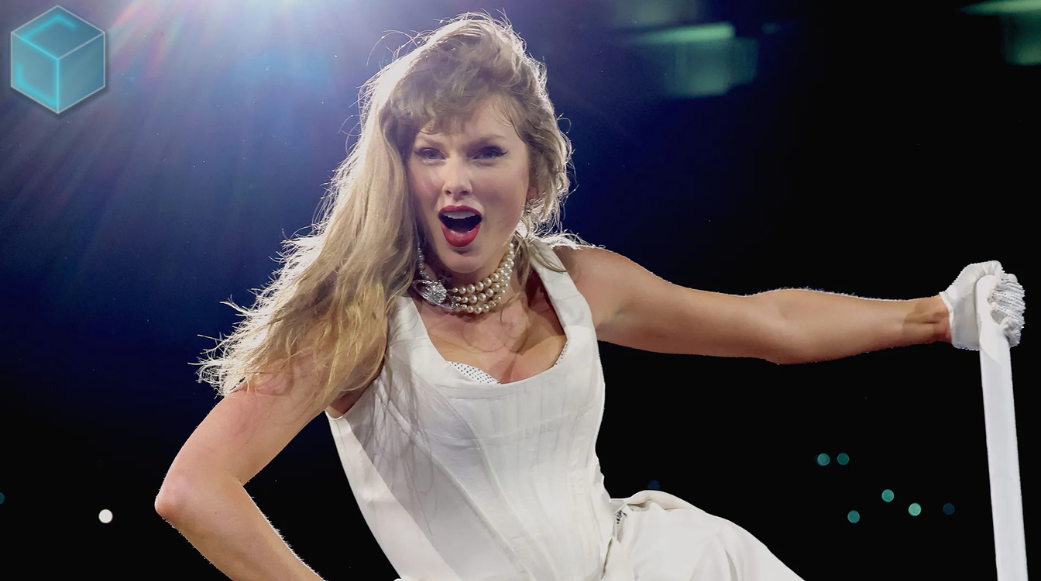
August 15, 2025
The music industry collectively lost its composure when Taylor Swift announced her twelfth studio album The Life of a Showgirl, with everyone from Sabrina Carpenter to Caitlin Clark publicly...
Read more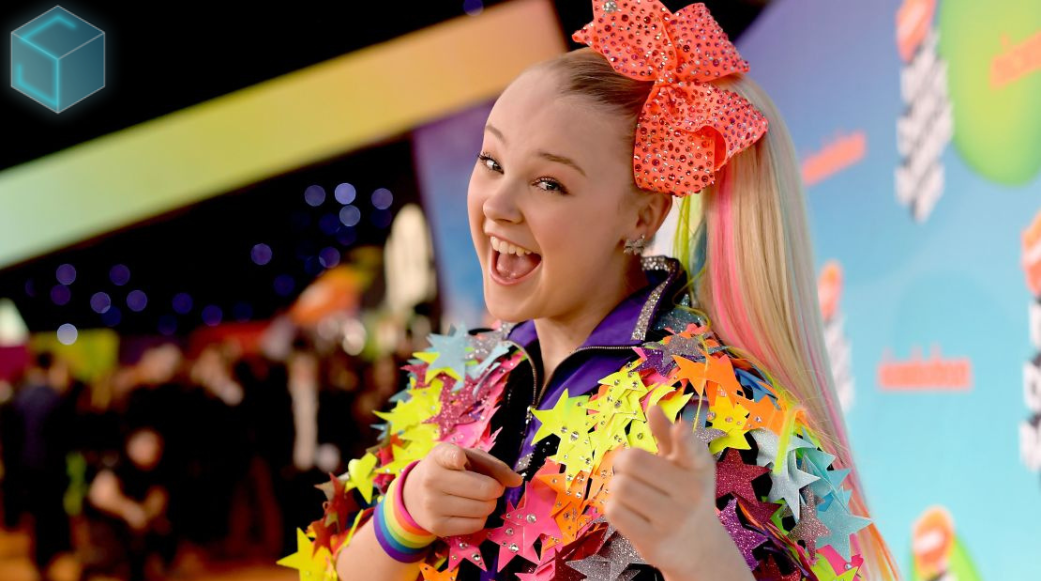
August 15, 2025
One of the most talked-about musical moments of the summer is JoJo Siwa's recent rendition of the 1981 classic "Bette Davis Eyes." On July 11, she shared her retro-style rendition, sparking intense...
Read more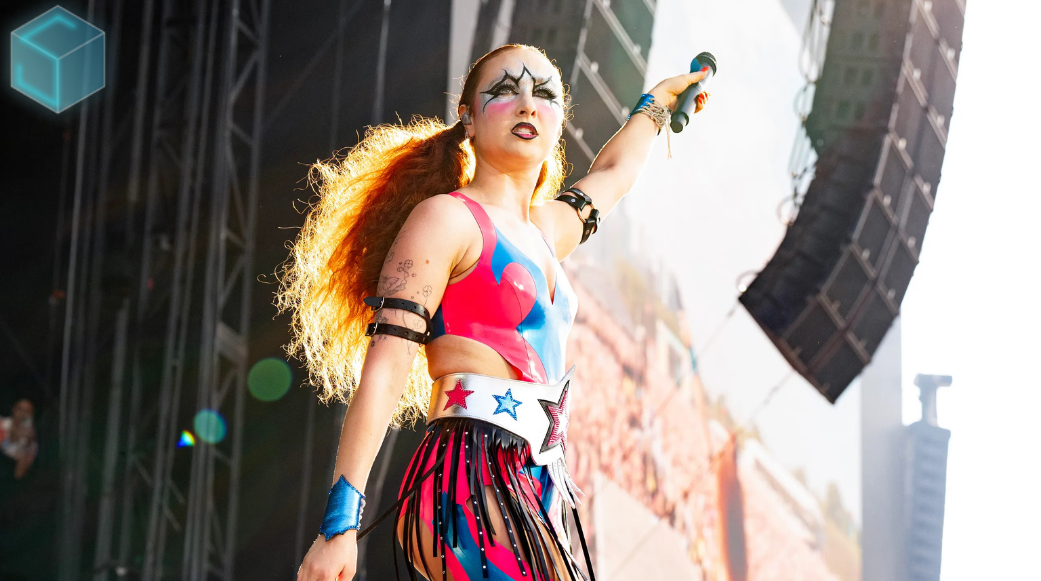
August 15, 2025
Chappell Roan is keeping fans guessing about her sophomore album, admitting she has "no idea" what direction her new music will take. In a revealing interview with Apple Music 1's Zane Lowe, the...
Read more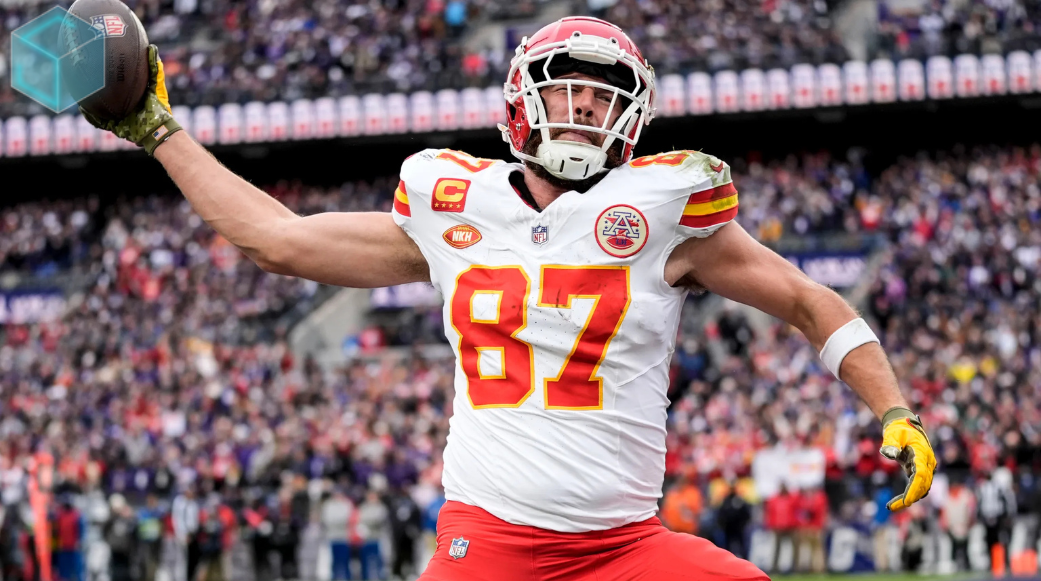
August 15, 2025
In a candid new interview with GQ, Kansas City Chiefs tight end Travis Kelce is pulling back the curtain on his relationship with pop superstar Taylor Swift. The NFL star revealed intimate details...
Read more
The music world is buzzing after Drake publicly accused Universal Music Group (UMG) of using bots to inflate the popularity of Kendrick Lamar’s latest diss track. Known for his own sharp lyrics and chart-topping hits, Drake’s claim has added fuel to the ongoing rivalry between the two rap giants while shining a spotlight on questionable industry practices.
Drake’s allegation stems from what he described as "unnatural" spikes in streaming numbers and social media engagement for Kendrick’s diss track. During a recent interview, Drake didn’t hold back, suggesting that Universal is artificially inflating metrics to make the track seem more impactful than it might be organically.
"They’re boosting streams with bots," Drake reportedly said. "It’s not real. The fans know the difference."
This accusation directly challenges the integrity of both Kendrick’s release and Universal’s promotional strategies, intensifying the existing tension between the two artists and their respective camps.
Drake’s accusations highlight a growing problem in the music industry: the use of bots to inflate streams, likes, and engagement. In an age where numbers often dictate success—impacting chart rankings, payouts, and public perception—labels have a strong incentive to manipulate metrics to their advantage.
Bots can generate millions of fake streams, skewing the data to make a track appear more successful than it actually is. This practice not only misleads fans but also creates an uneven playing field for independent artists who rely on genuine engagement to build their careers.
For Kendrick Lamar, whose reputation is built on lyrical depth and authenticity, these allegations could pose a challenge. If UMG is indeed using bots to promote his diss track, it risks overshadowing his artistry and the powerful message behind the music.
Kendrick has yet to comment on Drake’s claims, but the controversy raises important questions about how much control artists have over the marketing tactics employed by their labels. While Kendrick’s talent and influence remain undeniable, the involvement of bots could diminish the organic impact of his work.
Drake’s accusations bring up the need for greater transparency and accountability in the music industry. Streaming platforms and social media companies must implement stricter measures to detect and prevent bot activity. Labels, too, must prioritize ethical practices, ensuring that their promotional efforts don’t undermine the credibility of their artists.
This situation also highlights the importance of fans in shaping the narrative. By staying informed and questioning suspicious trends, fans can hold labels accountable and demand authenticity in the music they consume.
Drake’s accusation against Universal has added a new layer to his long-standing rivalry with Kendrick Lamar. While the two have often been compared as leading voices in hip-hop, this latest incident has reignited debates among their fanbases and across the industry.
As the controversy unfolds, one thing is certain: the conversation about bots, transparency, and fairness in music promotion isn’t going away anytime soon. For now, fans are left to wonder whether the success of Kendrick’s diss track is entirely earned—or if it’s been given a digital boost.
Whatever the outcome, this incident serves as a reminder of the evolving challenges artists face in an industry increasingly driven by data and algorithms, rather than pure talent and connection.
.png)


