August 19, 2025
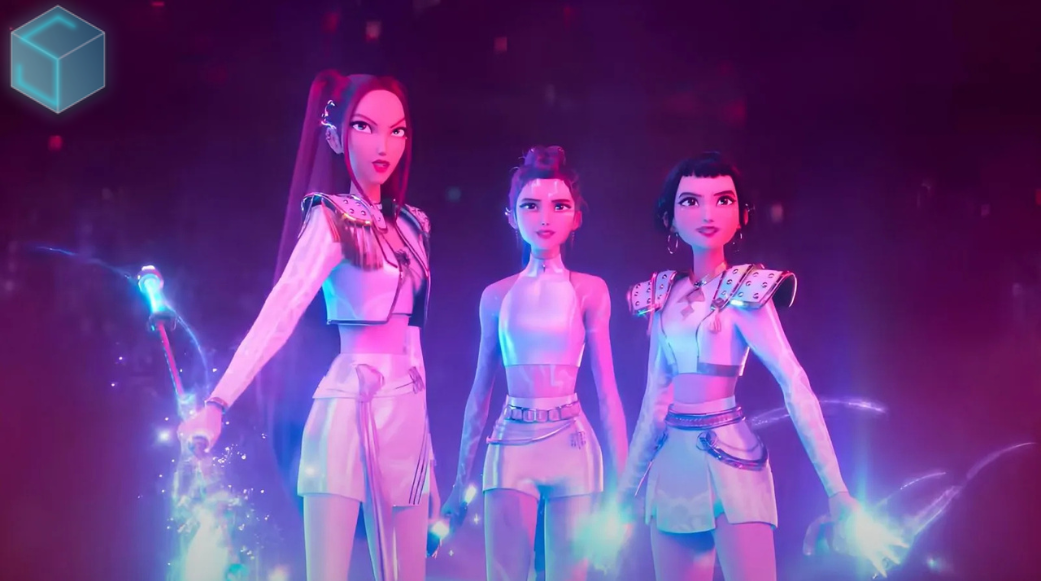
“Your Idol” stands out in Kpop Demon Hunters not just as a catchy track, but as one of the most self-aware songs in the whole project. At first listen, it has all the hallmarks of a classic K-pop...
Read more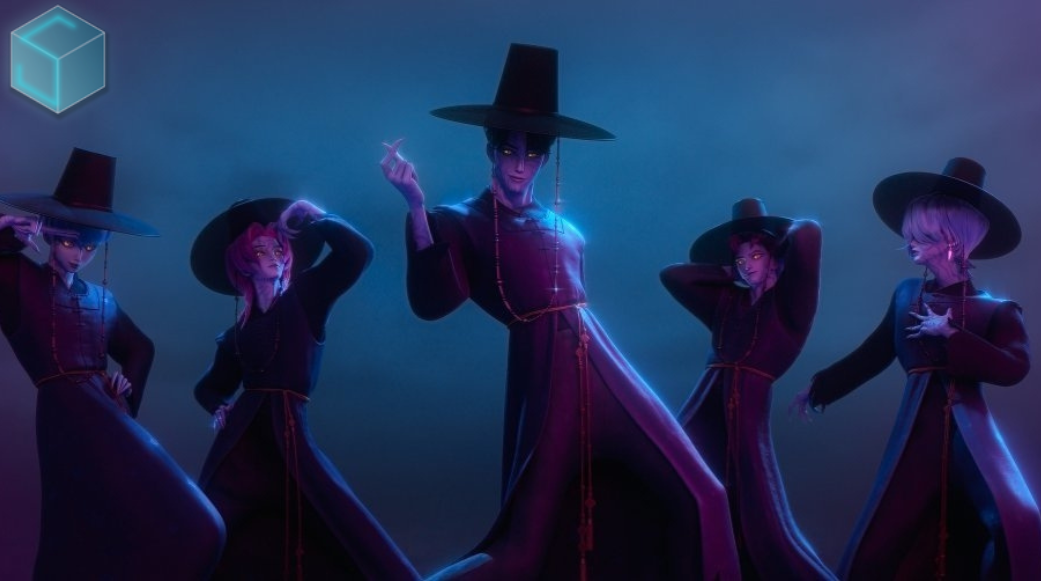
August 19, 2025
If you’ve scrolled TikTok, Insta, or literally any corner of the internet in the past few weeks, you’ve probably heard it: the fizzy, feel-good bop known as “Soda Pop” by the Saja Boys. Straight...
Read more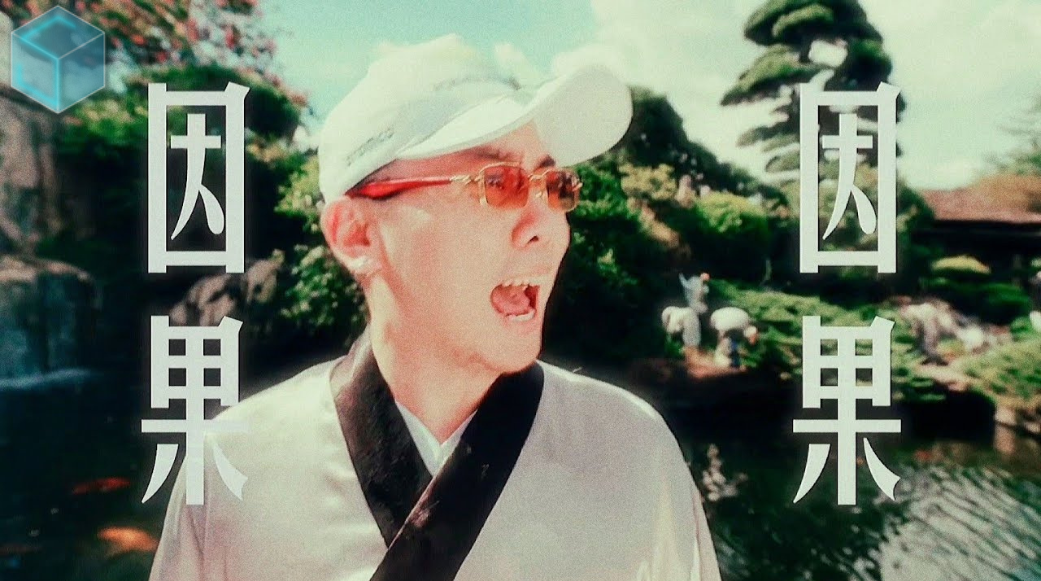
August 19, 2025
Skai Is Yourgod didn’t just drop a song, he dropped a cultural grenade. His track “Stacks From All Sides” has taken TikTok by storm, and the secret sauce? A cheeky little sample from Beetle on...
Read more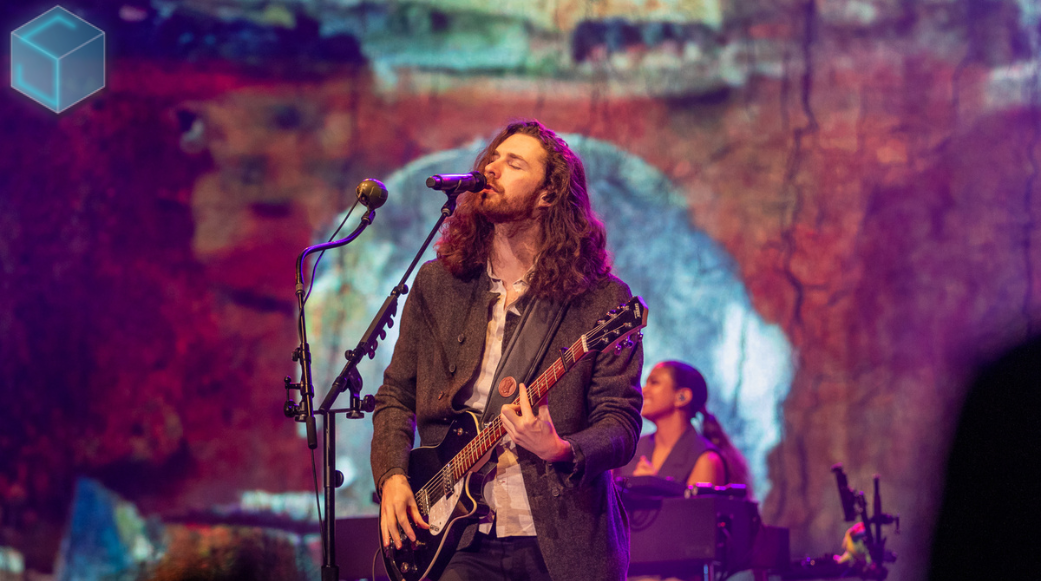
August 19, 2025
After 70 weeks at No. 1 with “Too Sweet,” Hozier’s reign on Billboard’s Hot Rock Songs chart comes to an end as newcomer Sombr takes over with...
Read more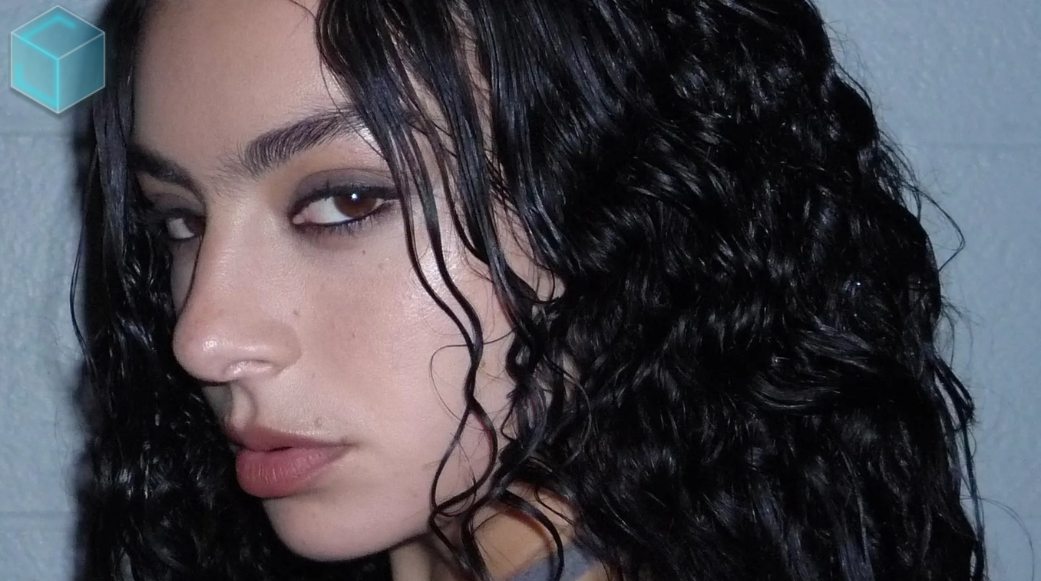
August 19, 2025
Charli XCX brought her groundbreaking Brat era to a poignant close Friday night during an electrifying performance at South Korea's One Universe Festival. The pop innovator marked the final...
Read more
August 19, 2025
Taylor Swift’s appearance on Travis and Jason Kelce’s New Heights podcast drew 1.3M live viewers, breaking YouTube records and sparking buzz with details about her new album The Life of a...
Read more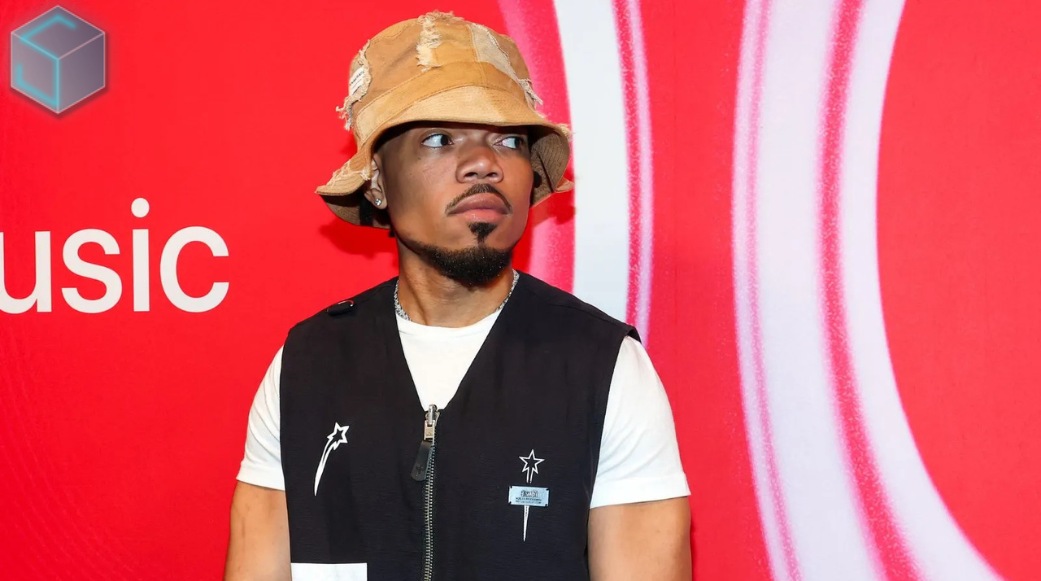
August 19, 2025
After a six-year silence, Chance the Rapper is officially back. On August 15, 2025, he will drop his sophomore album, Star Line, marking a new chapter filled with growth, travel, and creative...
Read more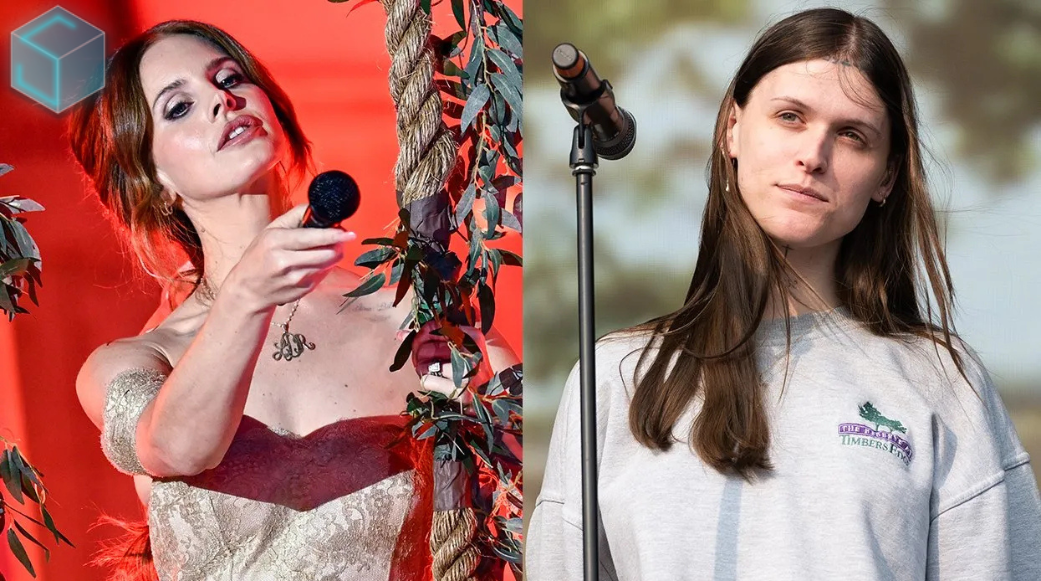
August 19, 2025
Lana Del Rey’s new song takes aim at Ethel Cain, referencing an alleged personal rift involving Instagram posts, a mutual ex, and behind-the-scenes remarks...
Read more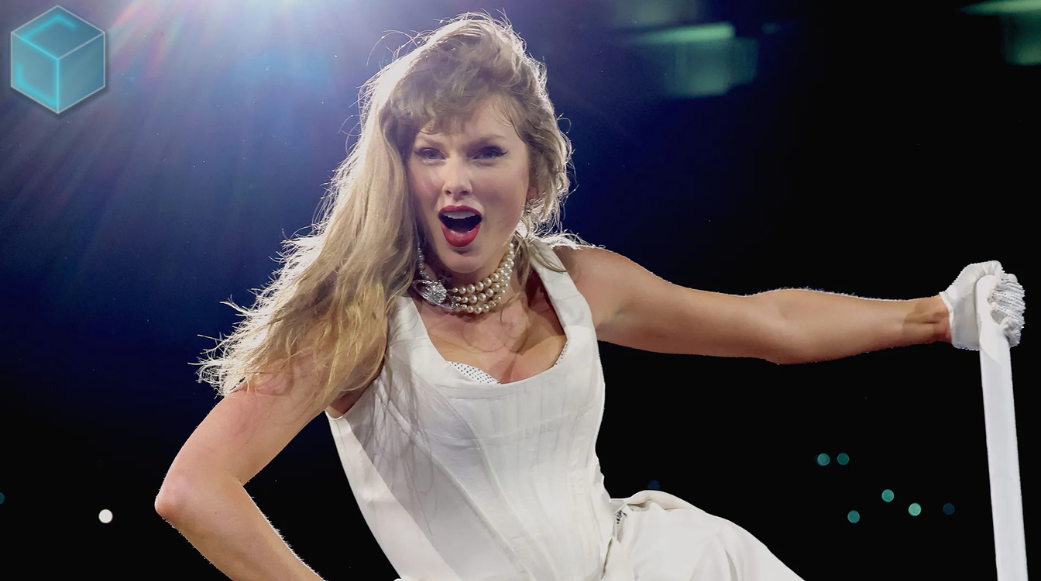
August 15, 2025
The music industry collectively lost its composure when Taylor Swift announced her twelfth studio album The Life of a Showgirl, with everyone from Sabrina Carpenter to Caitlin Clark publicly...
Read more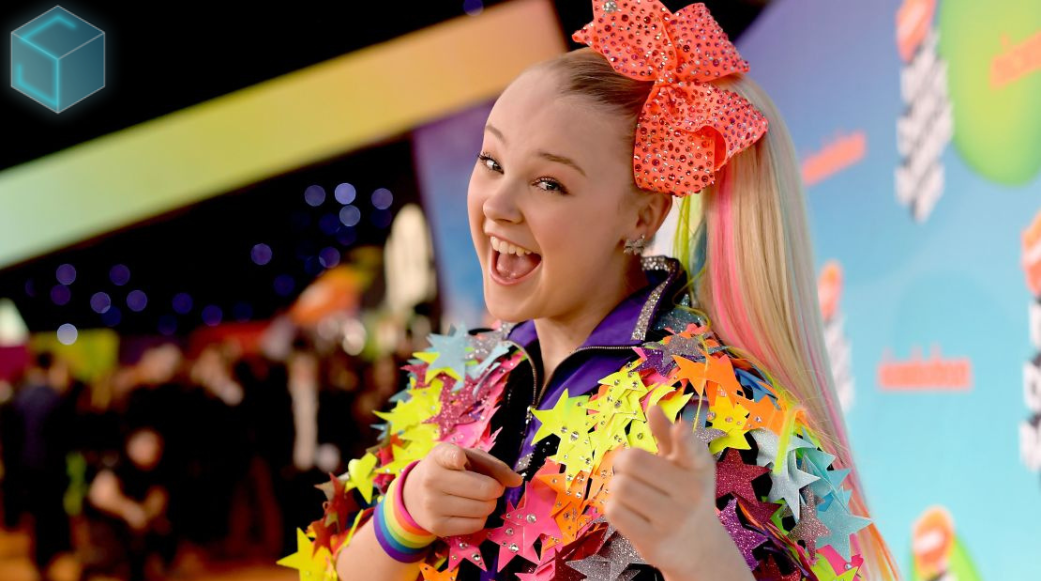
August 15, 2025
One of the most talked-about musical moments of the summer is JoJo Siwa's recent rendition of the 1981 classic "Bette Davis Eyes." On July 11, she shared her retro-style rendition, sparking intense...
Read more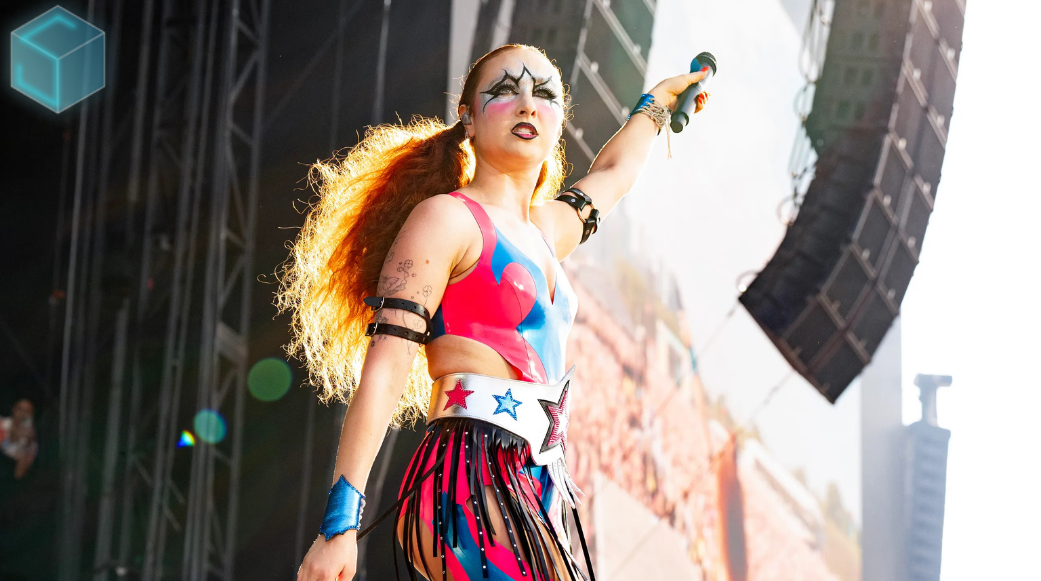
August 15, 2025
Chappell Roan is keeping fans guessing about her sophomore album, admitting she has "no idea" what direction her new music will take. In a revealing interview with Apple Music 1's Zane Lowe, the...
Read more
August 15, 2025
In a candid new interview with GQ, Kansas City Chiefs tight end Travis Kelce is pulling back the curtain on his relationship with pop superstar Taylor Swift. The NFL star revealed intimate details...
Read more.png)
In an era where music and visuals are inextricably linked, one name continues to shape the language of modern music videos: Dave Meyers. With a career that spans over three decades, director Dave Meyers has built an unparalleled legacy in the world of music videos. Renowned for his surrealist flair, hyper-stylized visuals, and deep understanding of musical narrative, Meyers has crafted more than 200 music videos, shaping the cultural landscape of multiple genres—hip-hop, pop, R&B, and more recently, K-pop.
Meyers is more than a director. He’s a visual architect—turning rhythm into frames and verses into motion. From winning a Grammy for Missy Elliott’s “Lose Control” to delivering Kendrick Lamar’s tour de force “HUMBLE.”, Meyers doesn’t just follow trends—he defines them.Meyers has become the go-to director for artists seeking more than a promotional clip—he crafts cinematic worlds that deepen the listener’s connection to a song.
Meyers’ signature style combines bold visuals, metaphor-rich storytelling, and technical innovation. His videos often blur the lines between surrealism and social commentary, choreography and chaos, intimacy and grandeur. Most recently, Meyers returned to global conversation with the release of BLACKPINK’s “Jump”, proving once again that he remains one of the most compelling visual storytellers in music.
From underground rap anthems to global pop blockbusters, Dave Meyers has remained at the creative forefront, never afraid to push boundaries or reinvent his aesthetic. His work is both technically inventive and emotionally rich, earning him a place among the greatest visual storytellers in music history.
Even today, he continues to surprise and evolve—working across film, streaming, and digital campaigns. Whether directing a gritty hip-hop saga or a surreal pop dreamscape, Meyers makes one thing clear: music may speak, but visuals can roar.
Here are five of Dave Meyers’ most defining works, each demonstrating his unmatched ability to translate sound into spectacle.
Reuniting with the world’s biggest girl group, Meyers delivered a kinetic visual companion to BLACKPINK’s powerful return single. “Jump” is a tour de force of futuristic production, cinematic pacing, and cultural scale, designed to accompany the opening leg of their Deadline World Tour.
In Meyers’ hands, the video becomes more than a performance—it’s a world unto itself. Stylized lighting, cyberpunk-infused aesthetics, and perfectly choreographed cuts amplify the track’s energy while preserving the individual personas of Jisoo, Jennie, Rosé, and Lisa. It’s both intimate and colossal—a signature Meyers balance that turns a pop song into a visual blockbuster.
Widely regarded as one of the most impactful music videos of the last decade, “HUMBLE.” cemented Meyers’ ability to embed sharp cultural critique into stunning visual design. Partnering with Kendrick Lamar, Meyers crafted arresting imagery: Lamar dressed as the Pope, the camera whirling in religious symmetry, and fire-lit confessionals, identity politics, and the hip-hop ego on its head—literally.
The video became a cultural phenomenon, winning multiple awards and ushering in a new golden age of concept-driven rap visuals.
“He gave me a rocket ship,” Meyers said of Lamar’s trust in the project. And the launch was global.
From the burnt heads to the reimagined Last Supper, every frame is meticulously composed and charged with meaning. The video earned widespread critical acclaim and won a Grammy for Best Music Video, solidifying Meyers and Lamar as one of the most powerful artist-director duos of their time.
Raised in the progressive and art-fueled environment of Berkeley, California, Meyers credits his surroundings with expanding his creative lens. His passion for film began young—sparked by Star Wars and Raiders of the Lost Ark—but it was music videos where he found his voice. His early career saw him directing videos for artists like Jay-Z, Eve, and DMX, each project sharpening his style: gritty, ambitious, and emotionally resonant.
Over the years, Meyers has embraced larger-than-life production, symbolism, and emotion. He treats each video like a short film, merging world-building with precise storytelling—often blurring the lines between cinema and music.
A delicate comeback following tragedy, Ariana Grande’s “No Tears Left to Cry” required a director who could balance vulnerability with strength. Meyers met the moment with a video that literally reorients reality. Through rotating hallways, upside-down cityscapes, and dreamlike set design, the video reflects Grande’s emotional dislocation while pointing toward healing.
Technically ambitious and emotionally resonant, the video redefined Grande’s visual identity. It’s a testament to Meyers’ ability to align a song’s sonic tone with its narrative arc—and elevate it into something multidimensional.
Equal parts chaotic and controlled, “Bad Guy” is a masterclass in postmodern pop aesthetics. Meyers embraced Billie Eilish’s eccentricity with a series of absurdist, nonlinear visuals that mirror the track’s experimental sound. Vivid color palettes, erratic edits, and satirical undertones come together in a piece that’s as unconventional as the artist herself.
It’s a striking example of Meyers’ range—his ability to pivot from socially charged visuals to playful irreverence, all while maintaining a distinct directorial fingerprint. For Billie, the video was instrumental in shaping her early visual identity.
Dave Meyers’ career is built on reinvention. Whether working with legacy acts like Missy Elliott or next-generation icons like BLACKPINK and Billie Eilish, his approach is rooted in deep artistic interpretation. He listens not just for lyrics, but for mood, movement, and meaning—and uses the lens to make the music speak louder.
In an age of algorithm-driven content and formulaic visuals, Meyers continues to raise the bar, reminding us that the best music videos aren’t just promotional tools—they're short films, visual essays, and emotional portals. And as “Jump” proves, Dave Meyers isn’t done shaping the future of music’s visual landscape. He’s just evolving with it.
Created for Black Panther, this collaboration merged Afrofuturism with mythological symbolism. The video’s stunning visuals—celestial oceans, galaxy walks, and cultural homages—made it a masterclass in world-building. It also reflected Meyers’ ability to amplify cultural moments through visual poetry.
Long before digital artistry dominated the industry, Meyers and Missy Elliott were pioneering visual innovation in hip-hop. “Lose Control” is a hyperkinetic celebration of rhythm, movement, and futuristic visuals. It’s a dance-heavy spectacle that moves with the speed of the beat—each frame echoing Missy’s boundary-pushing ethos.
What’s most impressive is the synergy: Meyers doesn’t just match the song—he expands it. Through rapid camera motion, surreal set design, and sharp editing, “Lose Control” became one of the most influential hip-hop videos of the 2000s, showcasing the possibilities of music video as both entertainment and art.
.png)


